
I am always intrigued when a new M-mount lens comes onto the market. This isn’t always driven by gear acquisition syndrome, but I have always been consistently impressed with M-mount lens manufacturers due to the quality of the items they build, both from Leica themselves and also those third-party companies that seem to get something so close for a fraction of the price.
Light Lens Lab is one of those companies, but often their lenses compete in cost with those of Voigtländer, so justification is always hard when Voigtländer make such incredible lenses. However, recently Mandler have come onto my radar, both for the 35mm f/2 (an apparent homage/replica of the Leica 35mm f/2 v4), which I will talk about here, but also their soon-to-be-released 50mm Summilux replica/homage. But the former is almost impossibly cheap for what it promises, and what those who have tested it before me seem to promise.
So I ordered a 35mm f/2 from Mandler in chrome aluminium (with a discount from them and a favourable currency exchange rate) to give it a spin. When it arrived, my immediate reaction was one of sheer impression. The build quality was like any Leica lens I own, just with a better-dampened aperture ring (why do Leica lenses have such terrible aperture rings?). The aperture ring was smooth, the finish was perfect, and the rear glass element felt like looking into the Eye of Sauron – you need to be careful not to scratch that glass. It was slightly lighter than my Leica 35mm f/2 ASPH, but it was slightly smaller too, so for me, while I like weightier lenses, this was a moot point, as I should have just ordered the brass version. I was excited to get out and test the image quality against my 35mm Summicron – how different was it going to be? My expectations were actually quite low, maybe to match that of the 7Artisans 35mm f/2 – hazy, distorted, and heavily vignetted wide open. I was to be so terribly wrong.

f2
f2

f2
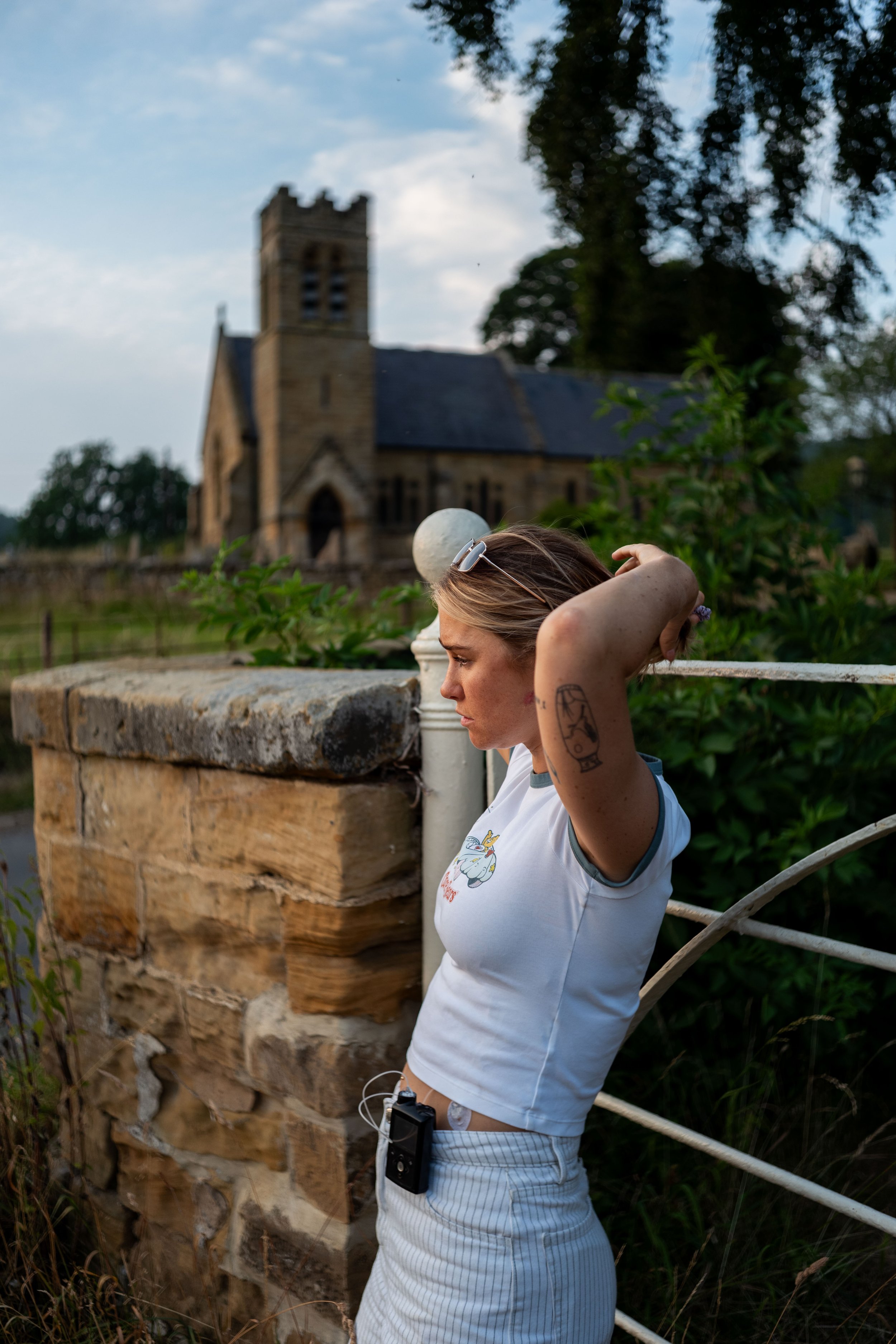
Firstly, this lens is a joy to shoot with. As I took it out and shot with it, it felt like any other high-quality M-mount lens I've used from Voigtländer or Leica, so essentially premium. Photos on the back of the camera were looking strong, and I mean really strong. When I zoomed in on pupils and details in the images, it was sharp, and I mean sharp wide open, Leica sharp wide open… this was really a shock, as this is usually where cheaper lenses fall apart. The bokeh on this lens was also looking really quite stunning. There seemed to be this perfect balance of great sharpness wide open but also vintage character. There wasn’t a huge amount of ghosting, blooming, or loss of contrast that lenses sometimes get wide open either, which is remarkable. I have included a few photos here which were shot wide open for your reference. Sharp in the centre, blurry at the edges. One thing I would say is that stopping it down from f/2 to f/2.2 does absolutely nothing, even though the aperture blades close ever so slightly (I had to check something was happening), but then when stopped down to f/2.8 there is the faintest clearing of the exposure, and the vignetting evens out the centre bright spot.

f2

f2
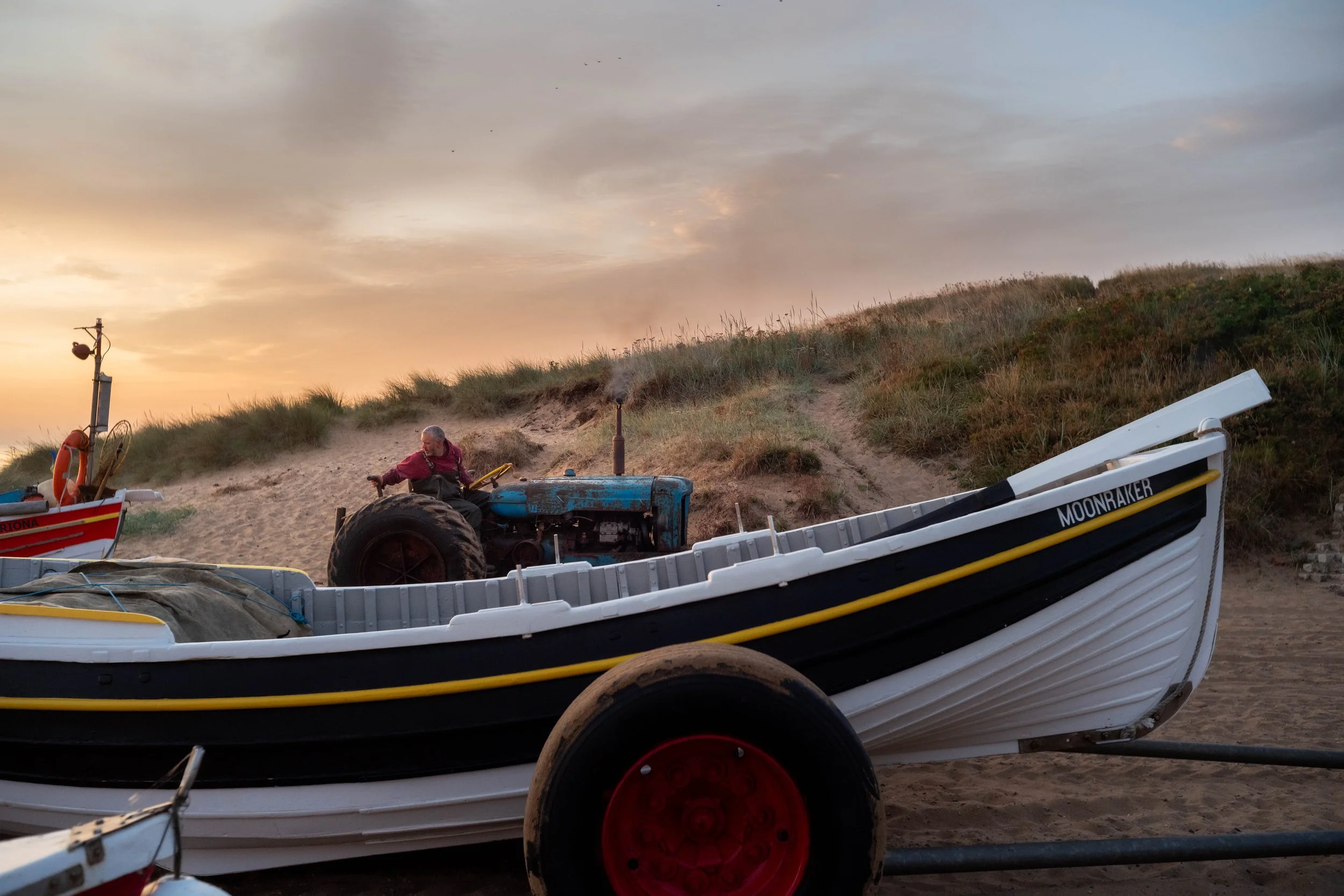
When stopping down, this lens is also sharp. I've typically shot either wide open for portraits or isolation shots, or at f/8 for landscapes – rarely straying beyond f/8 on these smaller manual setups, mainly because my camera doesn’t have IBIS. However, the lens performs well, as expected, and the images are rendered really nicely. There is, however, one massive drawback: even at f/8 there is a funny fall-off at the edges where the image loses all sharpness. Other reviews have put this down to field curvature. I would say this is probably it. Does it affect the photos? Yes. Is it obvious? No, but if you want images that are edge-to-edge sharp, this will be an issue. Does this affect the mood of the image? Not at all. I’ve attached a lot of images to this which have been shot at f/8, so you can have a look all you want. Every now and then I have found it annoying when I am shooting a landscape, and it does look a bit off. However, it isn’t noticeable on social media, and one really has to stare at an image to identify it. Again, it will probably be unnoticeable when printed too – I will report back.

f8

f2

f8

f8
One of the things I always have to be aware of when shooting wider focal length Leica M glass on my Leica SL (Type 601) is an almost (and difficult-to-) uncorrectable vignetting and softness in the corners of the 28mm Summicron and the 35mm Summicron, which I believe comes from the thicker sensor glass on this sensor versus M-body cameras. I have found it to be less of an issue on third-party lenses, with it pretty much being absent on the Voigtländer 28mm f/2. So I was curious to see what the state of it was on the Mandler 35mm f/2. It pretty much wasn’t there. It was correctable wide open, and by f/8 it was hardly noticeable and very much correctable. This is a big win for me, as it means the amount of post-editing I need to do on the lens drops significantly.

f5.6

f5.6

f8

f5.6
f5.6
So does this lens live up to the reputation of what it was cloned from? I can’t say, as I haven’t actually shot the Leica 35mm f/2 v4 (termed the King of Bokeh), but comparing it to my Leica 35mm f/2 ASPH, it’s a very strong contender. Wide open, I wouldn’t worry about either lens being on my camera. I may even prefer the Mandler 35mm f/2 due to the bokeh it gives and the apparent lack of softness. Surely this means it’s a great homage to the original? Stopped down, I am happy with either, maybe erring on the side of the Leica purely to avoid that field curvature, but it’s not going to stop a good photo from being a good photo. If the soul of the image is there, then the image will sing on either. It’s a weird one. Had I known how little difference there would be between some of these third-party lenses and their Leica peers, would I honestly have bought the Leica lens at sometimes ten times the cost? Possibly not. But I guess with Leica you are still buying into that lifetime lens. It can be repaired, fixed, and looked after. But the cost of a single repair is more than the cost of this Mandler 35mm f/2. It makes this lens seem more and more of a bargain.

f2
While I used to consider the 7Artisans 35mm f/2 the "nifty fifty" equivalent for the M-mount—a cheap, good-quality performer that one needs to keep in their bag "just in case"—I feel this lens has taken that crown due to its improved performance. You really can’t go wrong with this lens. And if you are looking to get into the M system, or try some manual-focus lenses, this is honestly the lens for you.
If you liked the photos in this post and would like to take similar please consider joining me on my North York Moors Photography workshop where i will go through some of the skills and method i employ to find stories in the landscpae.