
The Leica 50mm Summicron is, by all accounts, a legendary lens. It is a focal length many photographers love and is synonymous with street photography, particularly in the early years of the genre. It is an evolution of the lens once used by Henri Cartier-Bresson, demonstrating its heritage and earning it a place in history. But this isn’t why I chose it.
Typically, I’m not a fan of 50mm unless it’s for portraiture. I am much more of a 28mm or 35mm person, preferring to contextualise my images and often my subject within their surroundings. But there are times when a 50mm is just needed. It helps you connect to the subject in an intimate way that a 35mm or 28mm doesn’t allow. The slight distortion at close focus, which is lost in a 70mm or 85mm, gives a sense of vulnerability in the photo without distracting the viewer from the subject’s emotion. All essential, I feel, when telling a story. You have to be in someone’s personal space when photographing them with this lens, and that requires trust. You have to work for that trust to allow the photo to happen.



This lens only works for me because of the context it sits within my kit. I have a set of three Leica Summicron lenses: 28mm (11672), 35mm (11879), and this 50mm. My workhorses are the 28mm and 35mm, with a particular focus on the 28mm. This lens fills in when I need more intimate portraits or when I know I won’t be able to get very close to a subject. For the most part, it stays in my sling bag or pocket.
That’s why I like these lenses. They are all cross-compatible, and once you learn to use one, they function in an identical way. While manual focus, they are super small, reliable, and incredibly tactile, which also makes them very portable. You can bring one or two extras without carrying an entire camera bag. This gives you versatility while maintaining a small kit with fast apertures. This lens really is small, meaning it isn’t intimidating when photographing people, yet f/2 on a 50mm is wide enough to achieve a pleasing depth of field if you want to isolate a subject, particularly when using available light creatively.


Now, I haven’t said this lens is sharp. It is the softest of the three Summicrons I own when wide open at f/2, and it also suffers the most from flaring. That’s not surprising, as the optical formula dates from 1979, even if this particular copy is from 2002. While the 35mm is also from 2002, it performs like a modern lens. The 28mm, from 2016, is a modern lens outright, so there is no comparison.
At f/2, you can see this lens’s age. It shoots a bit like a Canon 50mm f/1.8: slightly glowy and a little soft, but the rendering is still stunning, on a different level from the Canon “nifty fifty”. Stop it down to f/2.8 and it becomes sharp, really nicely sharp. Stop it down further and it just gets better all the way to f/8. After that, some diffraction sets in and it softens again, but I rarely shoot at those apertures. That said, some of the horse racing photos included here were shot at f/11, so feel free to inspect them.
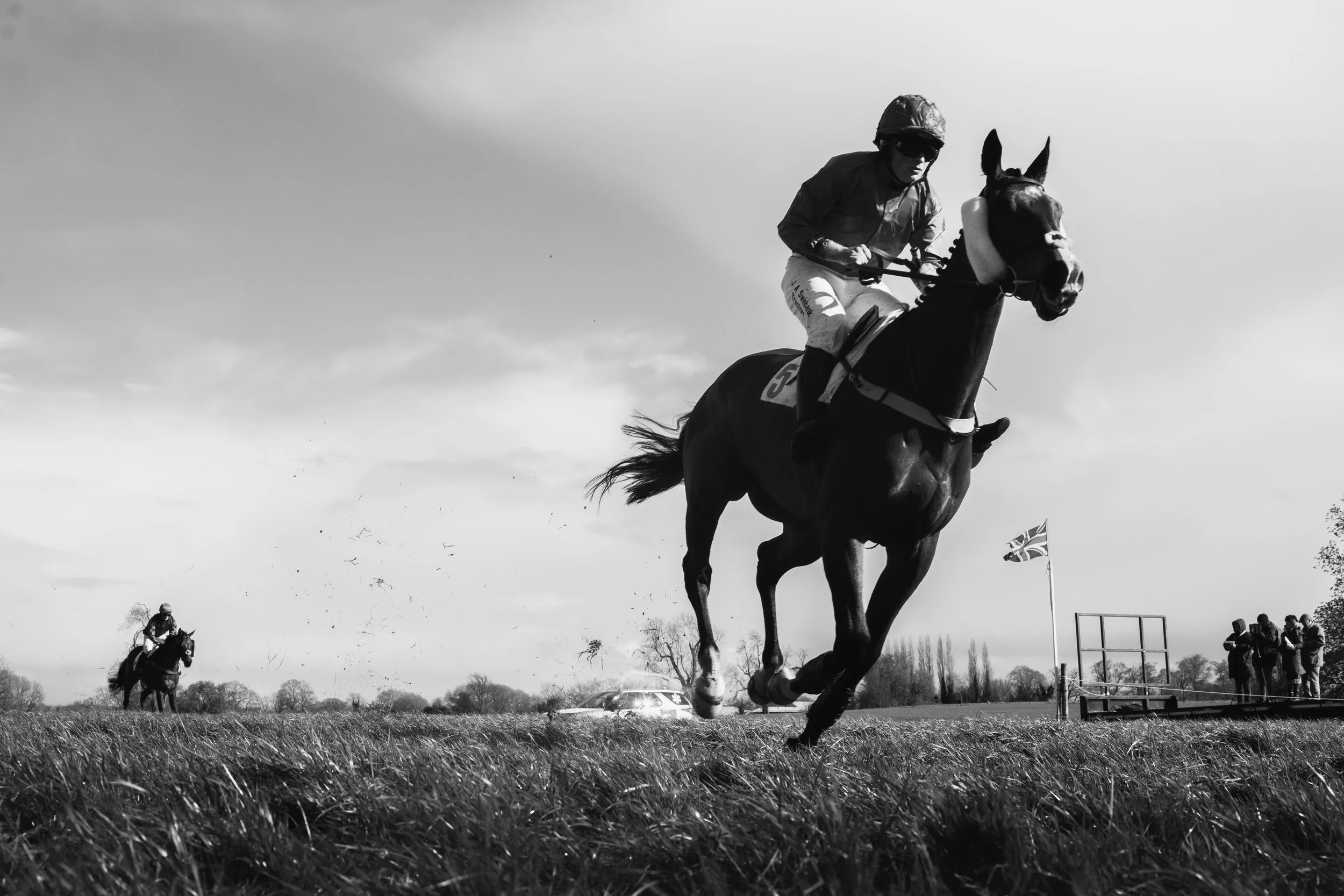
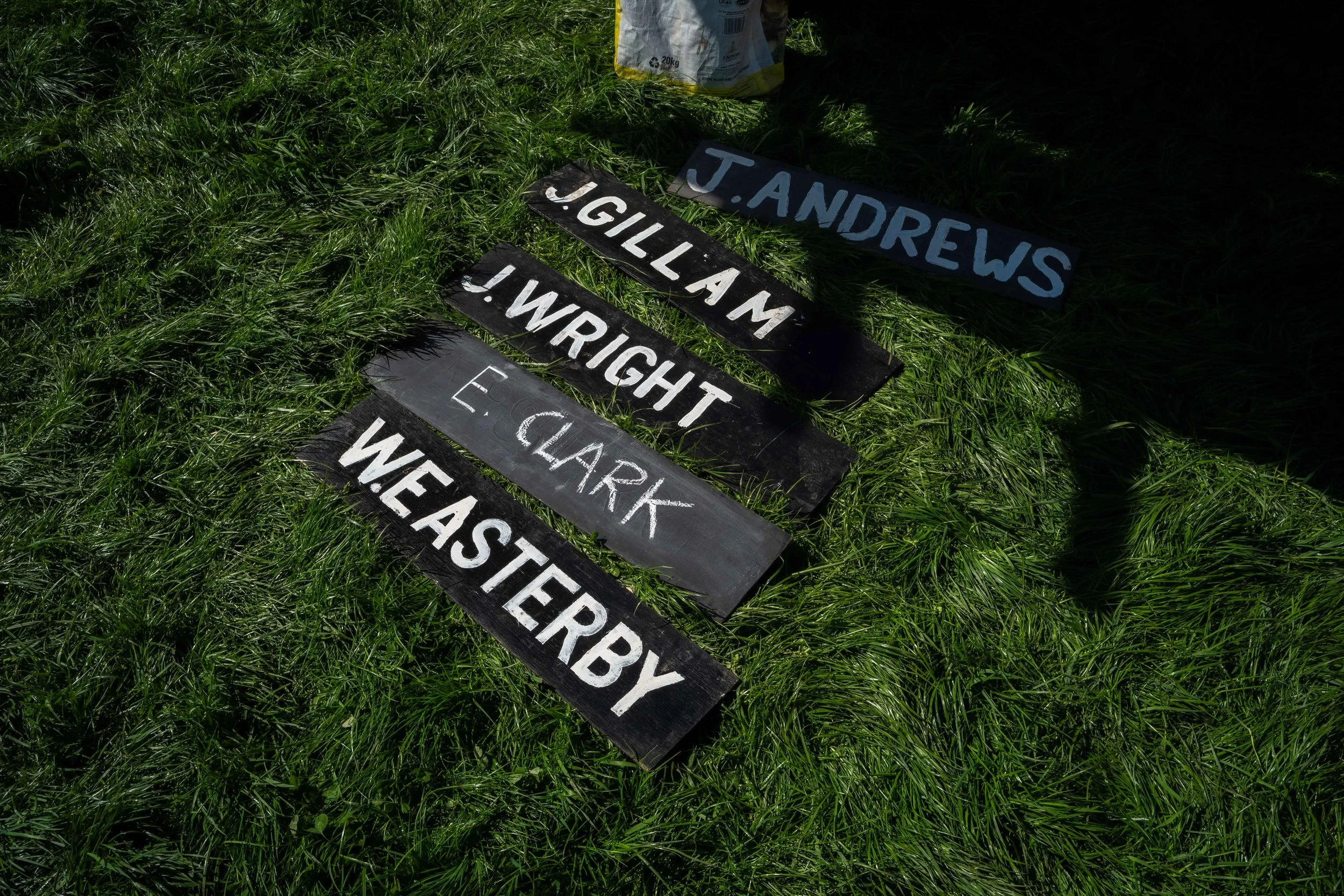
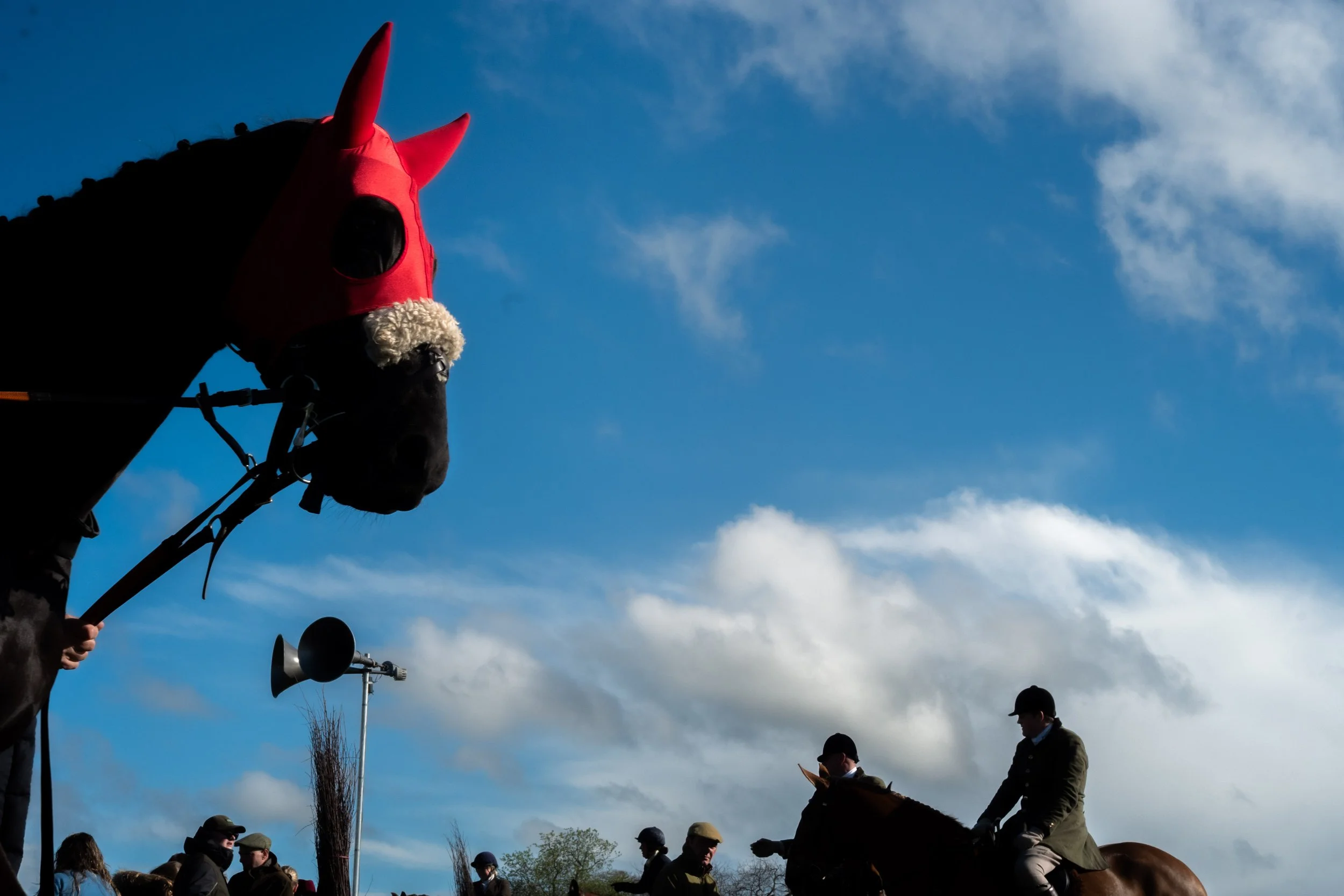
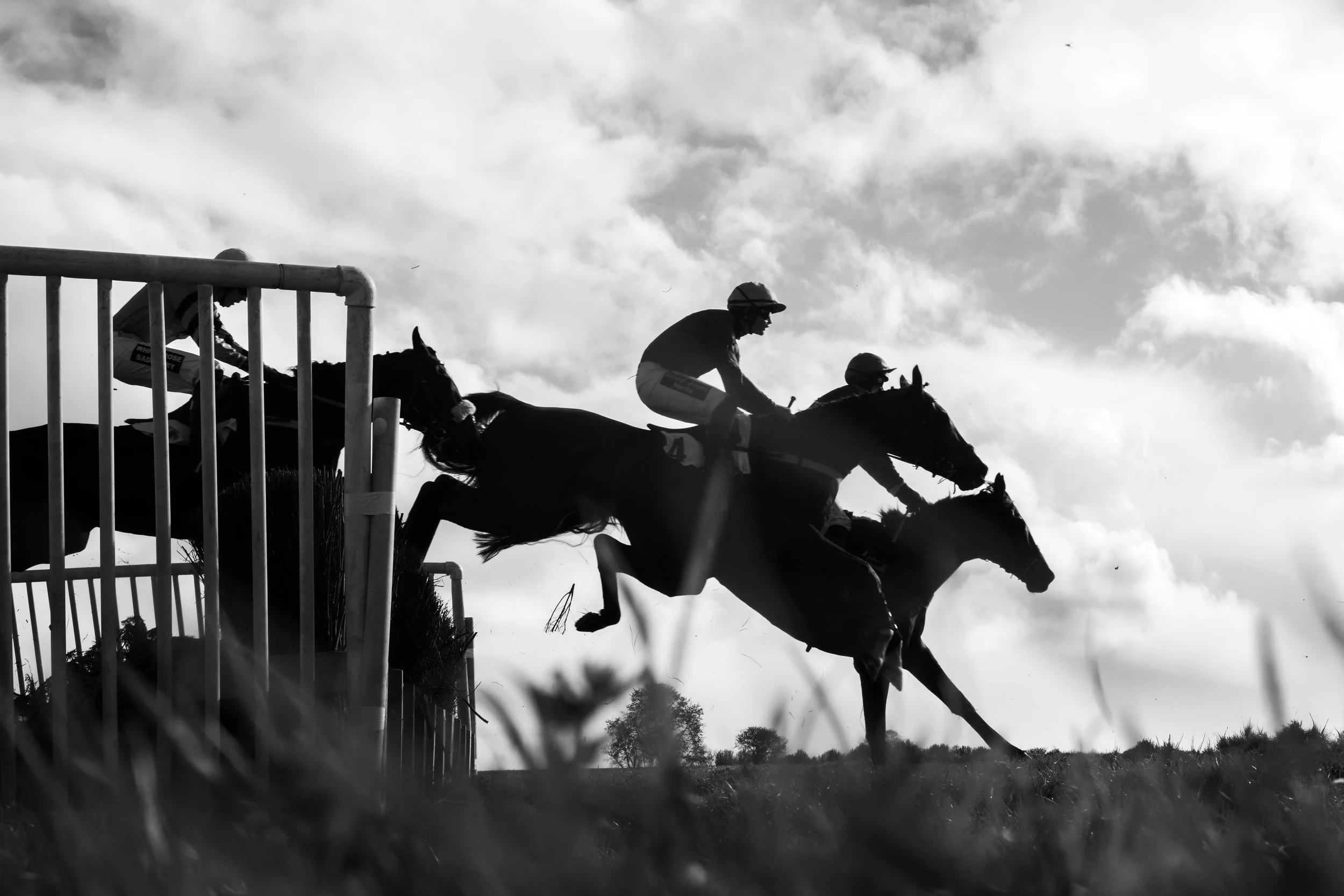
While this lens never reaches the clinical look of modern electronic lenses, I don’t think it needs to. It settles into a niche that suits photographers who aren’t aiming for that look. This isn’t to say you should settle for a cheaper 50mm lens. This lens has a special character, but you do need to be mindful of its glow and softness to ensure you’re getting the images you want.
What this lens offers over many other manual focus 50mm lenses is its ability to focus quickly. This is something I’ve found with all the Leica lenses I’ve used, particularly when adapting an M-mount lens to an L-mount body like the Leica SL (Type 601), which is an unusual choice for many. Other non-M-mount lenses tend to be slower to focus and aren’t built with zone focusing in mind, often lacking focus tabs. These may seem like small details, but they are incredibly important in the heat of the moment.




While this 50mm doesn’t have a focus tab, its focus throw is identical to the other Summicrons: smooth and consistent. This means you can achieve focus even at f/2 very quickly, quicker than with any other manual focus 50mm I’ve used. So when I reach for a 50mm, this is the one I grab, unless I’m in a studio.
I use this lens on the Leica SL (Type 601) – why? I would like a Leica M body, but I also want an EVF. Leica have only recently released the Leica M11 EVF option, and it’s incredibly expensive. The Leica SL (Type 601) is the perfect alternative. It shares a similar sensor to the Leica M240, but with an EVF and the flexibility to use electronic lenses when needed.
That sensor is key. Paired with the 50mm Summicron, the colours produced are stunning: rich, warm, and vibrant in all the right places. Hopefully, this comes across in the photos. This is another area where it stands apart from other non-M 50mm lenses I’ve tried (with the exception of Voigtländer). Those often render colours slightly “off”, sometimes leaning too green. I can’t quite put my finger on it. I don’t like heavily editing colours beyond white balance, so this is important to me. The Summicron just works, and works very well.




Finally, the build quality. It is very well made and still feels like a new lens, even after more than 20 years. I’ve come to expect that Leica lenses have slightly rattly aperture rings compared to other brands. Interestingly, my Voigtländer 28mm f/2 Ultron feels tighter and more solid, likely due to its brass construction and newer age. It would be interesting to see how it holds up over 20 years.
When you buy a Leica lens, you’re also buying something that can be repaired repeatedly. I’ve had mine repaired after drops and heavy use, and it has continued to function reliably. This matters when working in places where replacement lenses aren’t readily available. Even after being dropped, it can still perform to some extent, allowing you to keep shooting. With a small screwdriver, you could probably even make basic fixes yourself in a pinch.

I expect to keep these lenses for many years to come, not upgrading them but continuing to learn their limitations and work within them. This lens forces me to focus on light and storytelling. I can’t rely on it to carry an image on its own.
If you liked the photos in this post and would like to take similar please consider joining me on my North York Moors Photography workshop where i will go through some of the skills and method i employ to find stories in the landscpae.