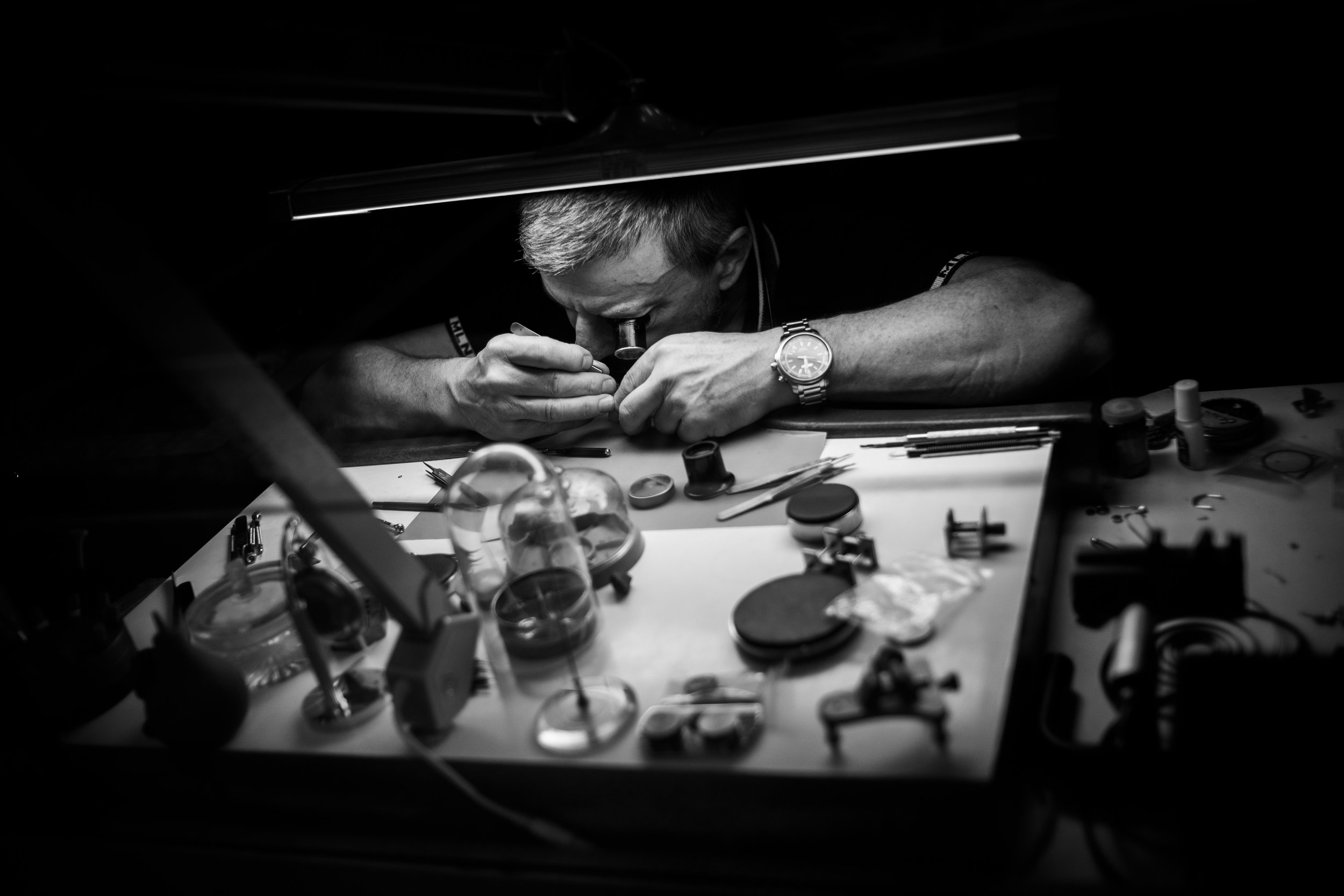
Just to set the context. My version of the Leica 35mm f/2 Summicron-M ASPH [11879] is from 2002. I bought it in France, in person, from a second-hand camera shop, with a favourable exchange rate and a little haggling. At the time, it was about £300 below the market rate in the UK. I had struck a bargain.
Up to this point, I had been shooting with my Leica SL (Typ 601), using either Sigma I Series lenses, such as the 24mm, 35mm or 50mm (all f/2 and excellent), or adapted Olympus M.Zuiko lenses from the OM-1, OM-2, OM-3, OM-10 and other SLR film cameras (all great fun, cheap and fairly decent). However, I had also been using the 7Artisans 35mm f/2 M-mount lens and had been loving the tactile nature of it. Like, absolutely loving it.
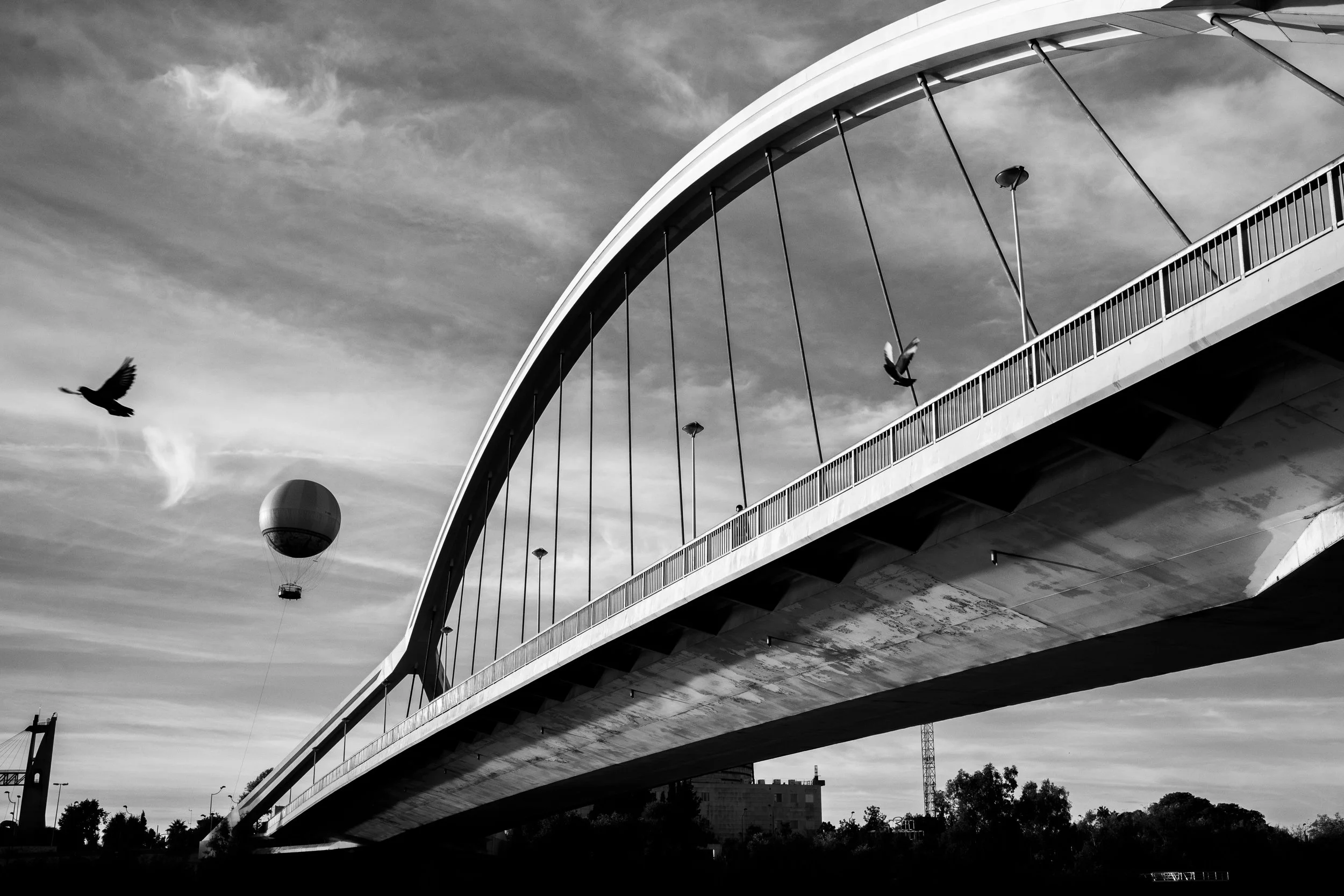
f/11

f/11
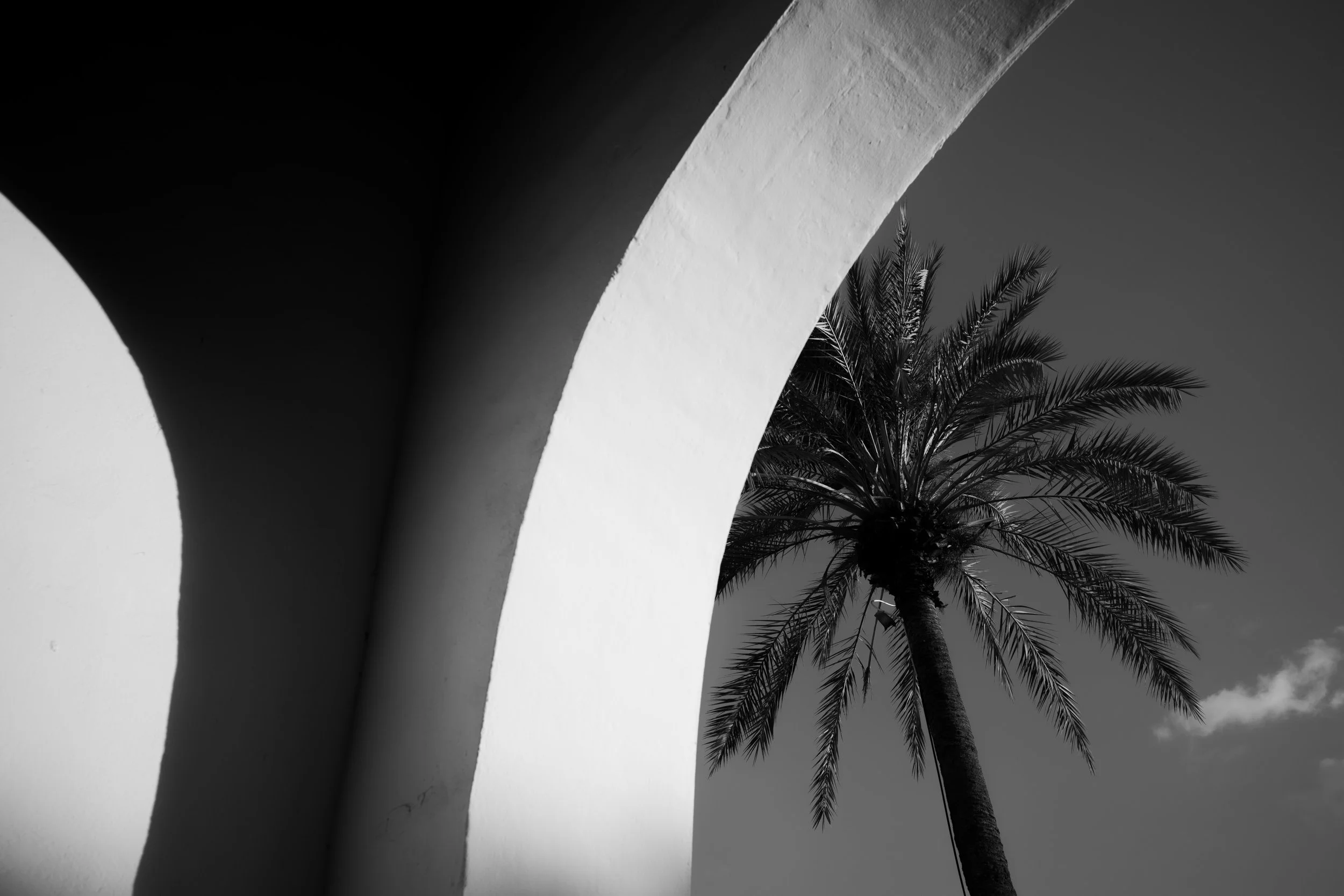
f/8
If you buy a Leica, you've obviously heard everyone screaming about the brand's legacy, particularly the Leica M bodies and lenses. It's almost mythical, and this little Chinese 35mm had given me a flavour of what Leica could offer. When I saw this little German lens in a little French camera shop, my imagination ran wild with thoughts of perfect image quality in a tiny housing, tactile control beyond my wildest dreams and a quality that would outlast me.
I have to say, within the context of the lenses I had previously used and the cameras I had previously photographed with, it really was an incredible experience. After using a number of Olympus OM-2s, I had come to really enjoy that tactile feeling of using an older film camera. Brass, physical buttons, aperture rings, shutter dials, etc. I thought using a Leica M lens would give me that feeling with a digital body (the Leica SL), without splashing out on a digital Leica M body. It really did, and within this context, I was by no means disappointed.

f/2

f/2

f/2
35mm was also my favourite focal length at the time of purchasing this lens, about two years before writing this. I feel this fluctuates sometimes, but 35mm has always been my favourite all-round focal length. If I don't know whether I'm shooting portraits or landscapes, this will be the lens that goes on. This lens is really quite good at both, and by quite good, I mean really good.
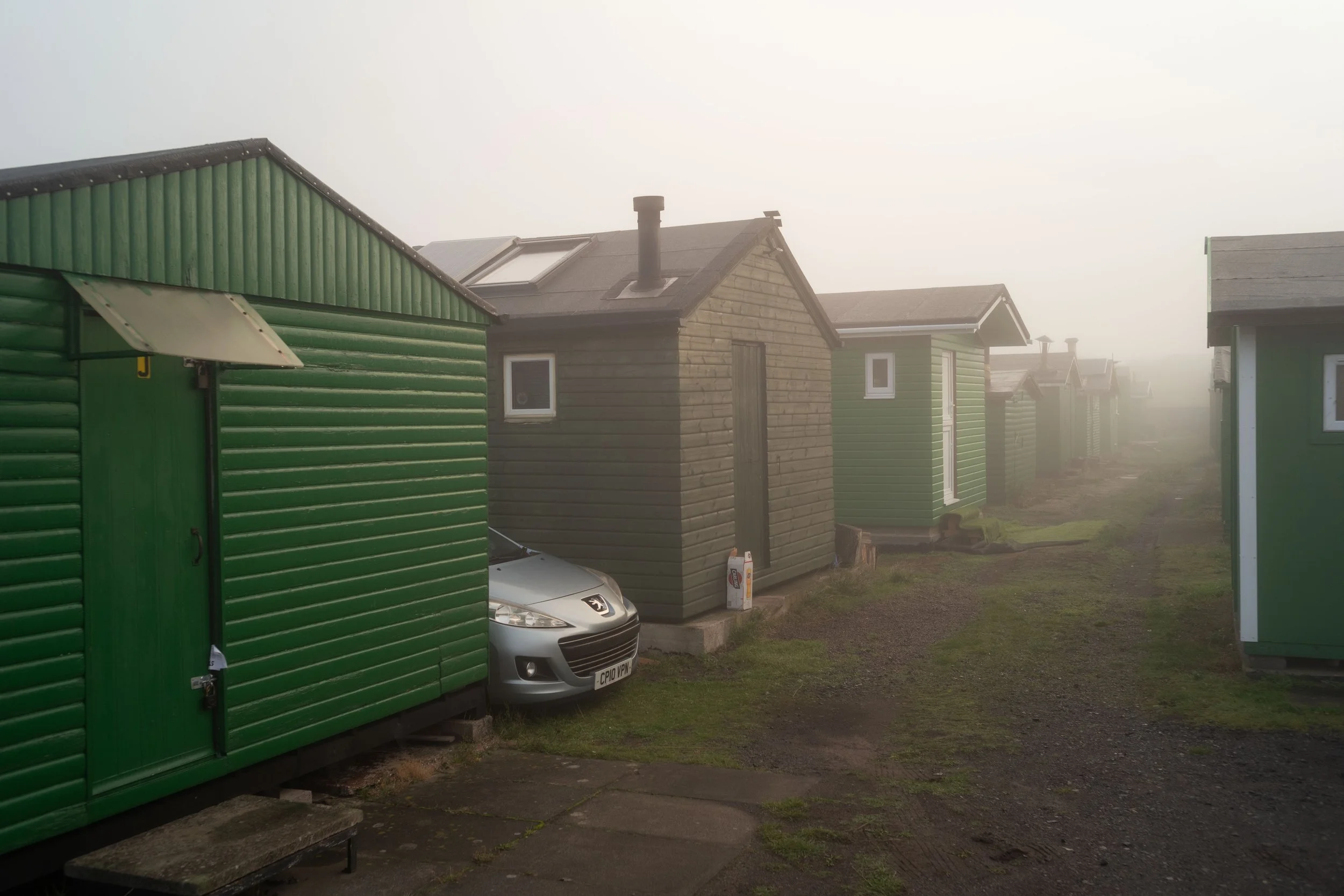
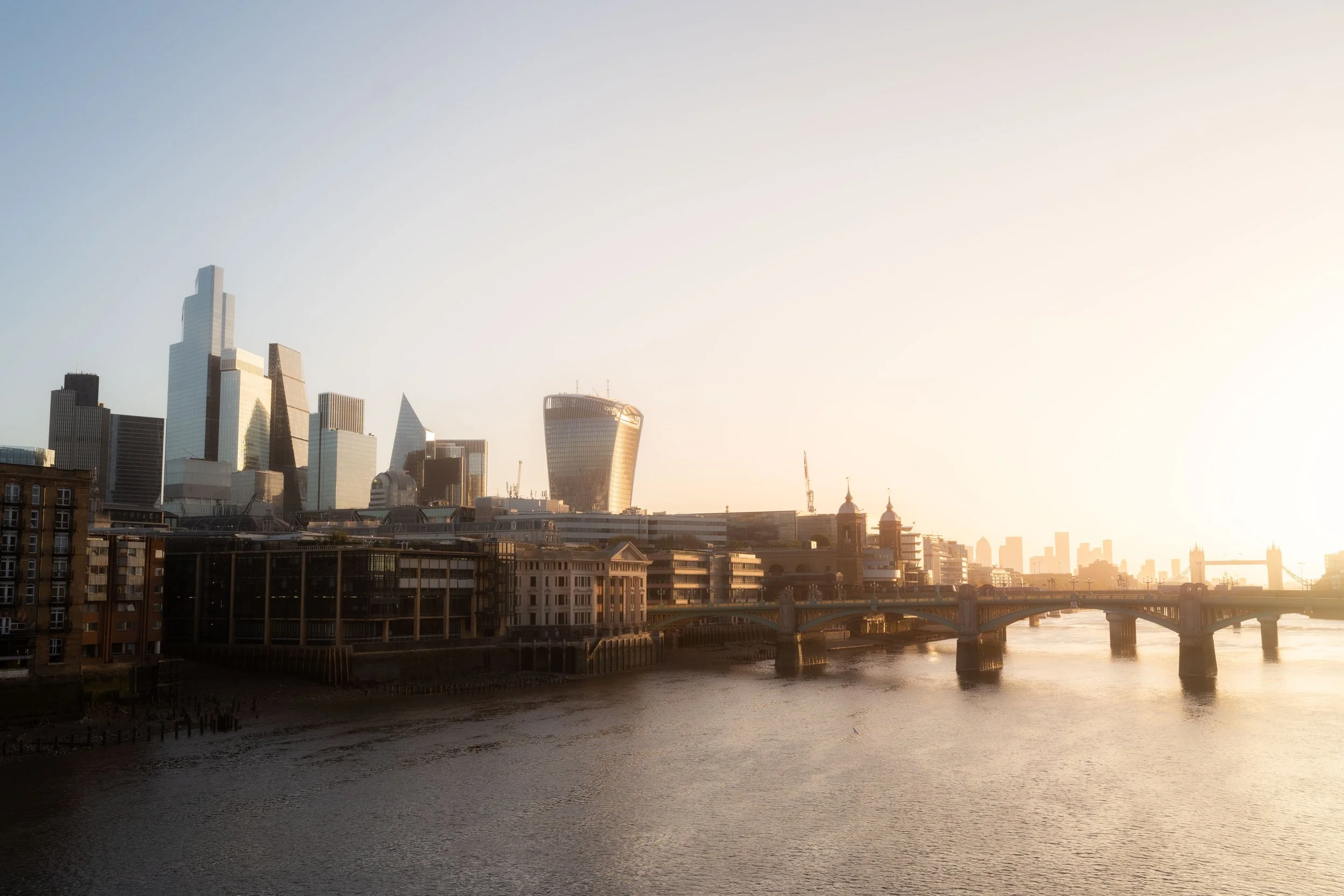
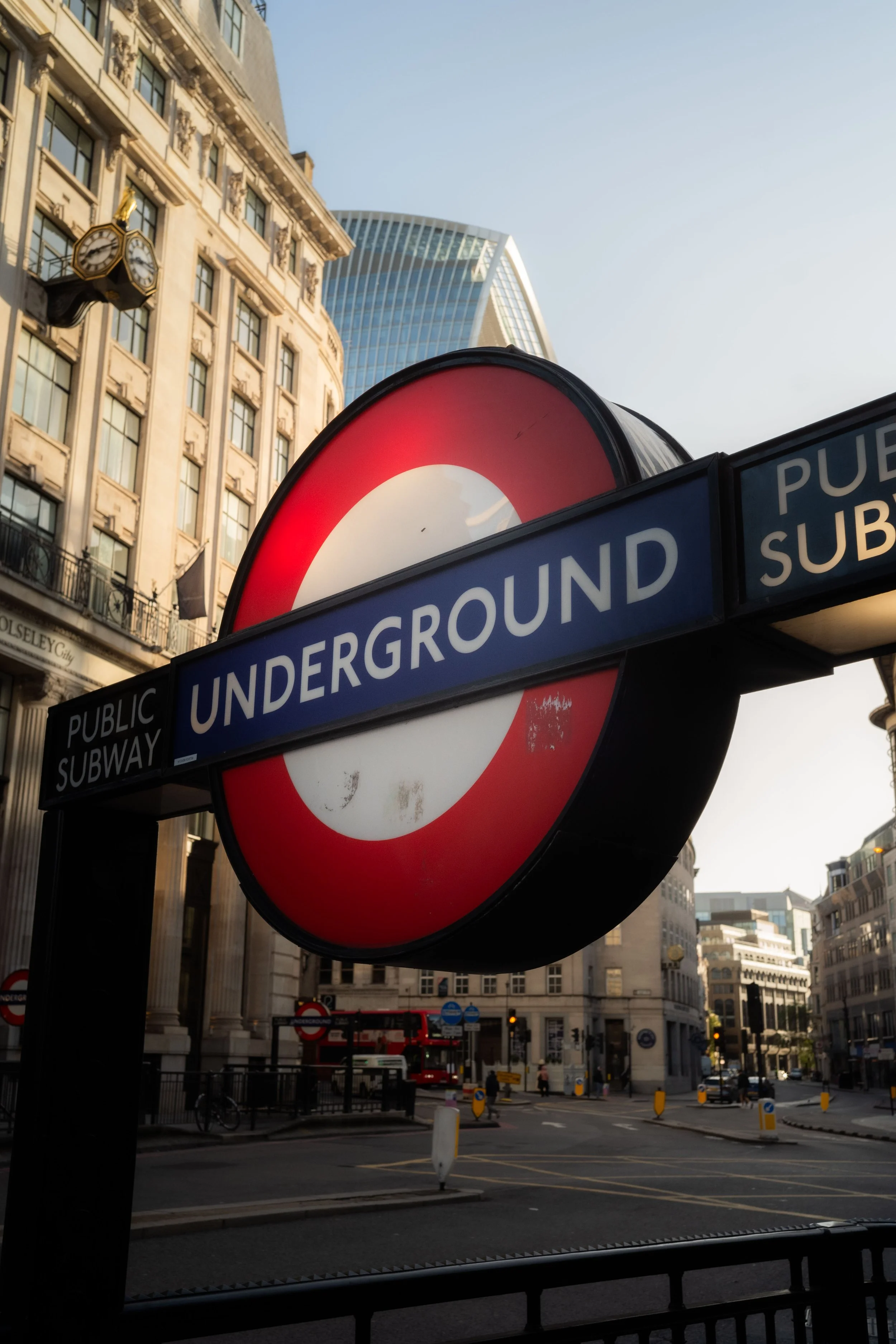
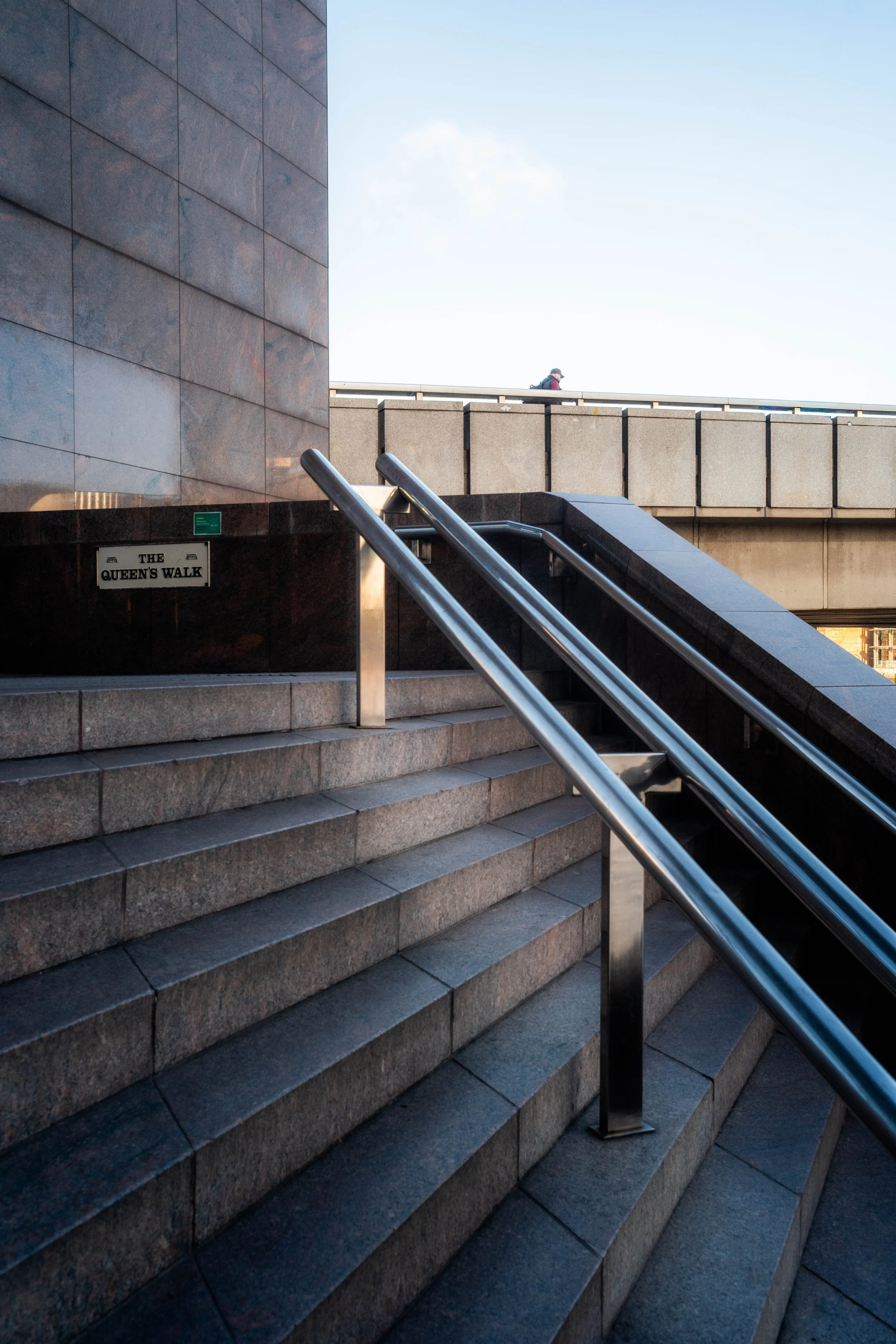
What I found particularly striking about this lens was the image quality. Of course, this is a 24-year-old lens now, but I was immensely impressed with the sharpness and clarity of the images it produced, even wide open. Super sharp in the middle. I'm comparing it to the Sigma 35mm f/2 I Series, which is only a few years old, and it is comparable. Not identical, as there is the smallest amount of loss of contrast and some vignetting on the Leica, but both are controllable. It's the sharpness. It's like shooting a modern 35mm lens, but in a compact, tactile system.
Stop it down, and it's completely comparable to the Sigma 35mm f/2. Sharpness, contrast, clarity. I'll often not be able to tell them apart in my Lightroom catalogue unless I look at the metadata. They even, weirdly, render the bokeh and depth of field in a similar way. You really are getting a nice, modern rendering from this lens.
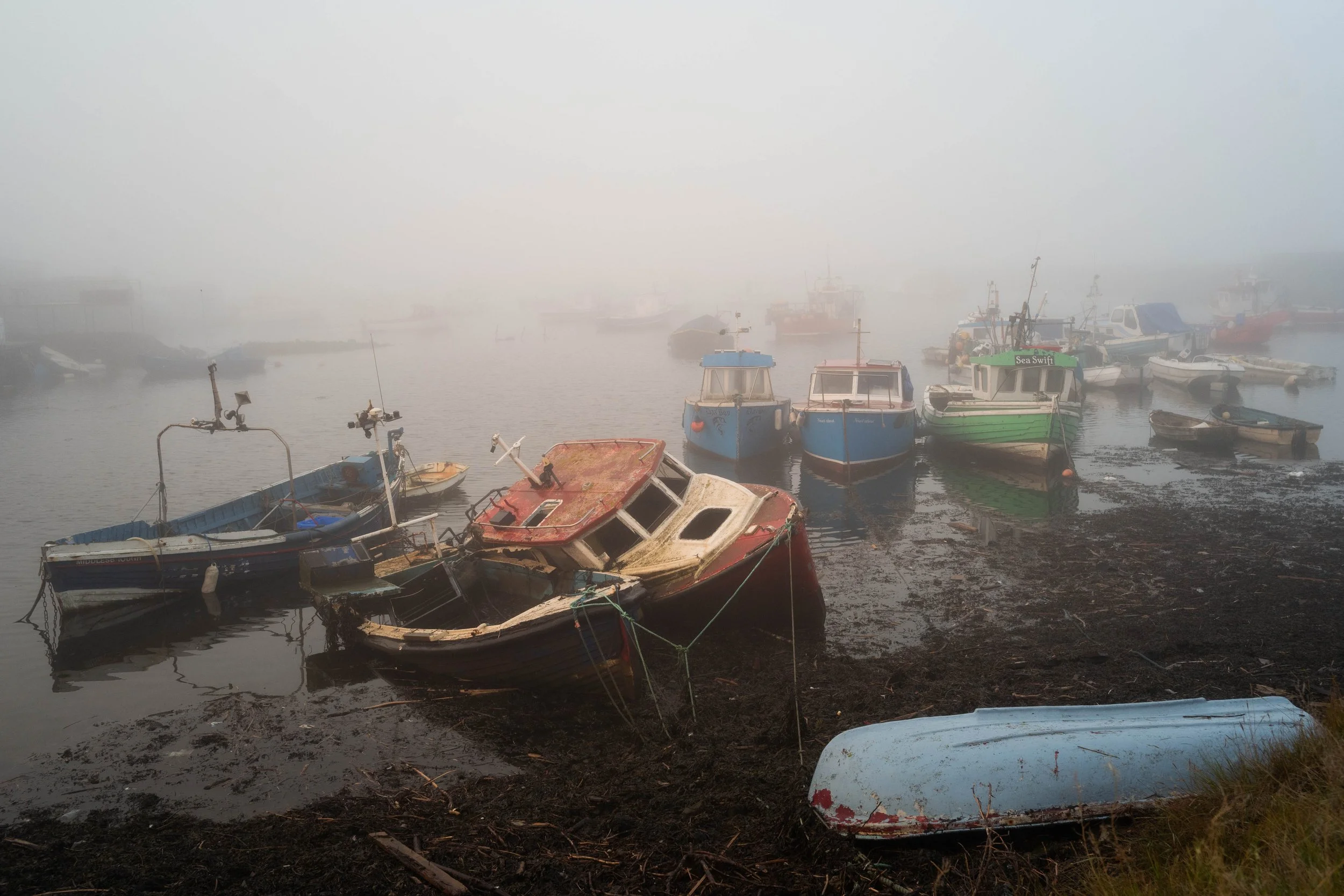
f/8
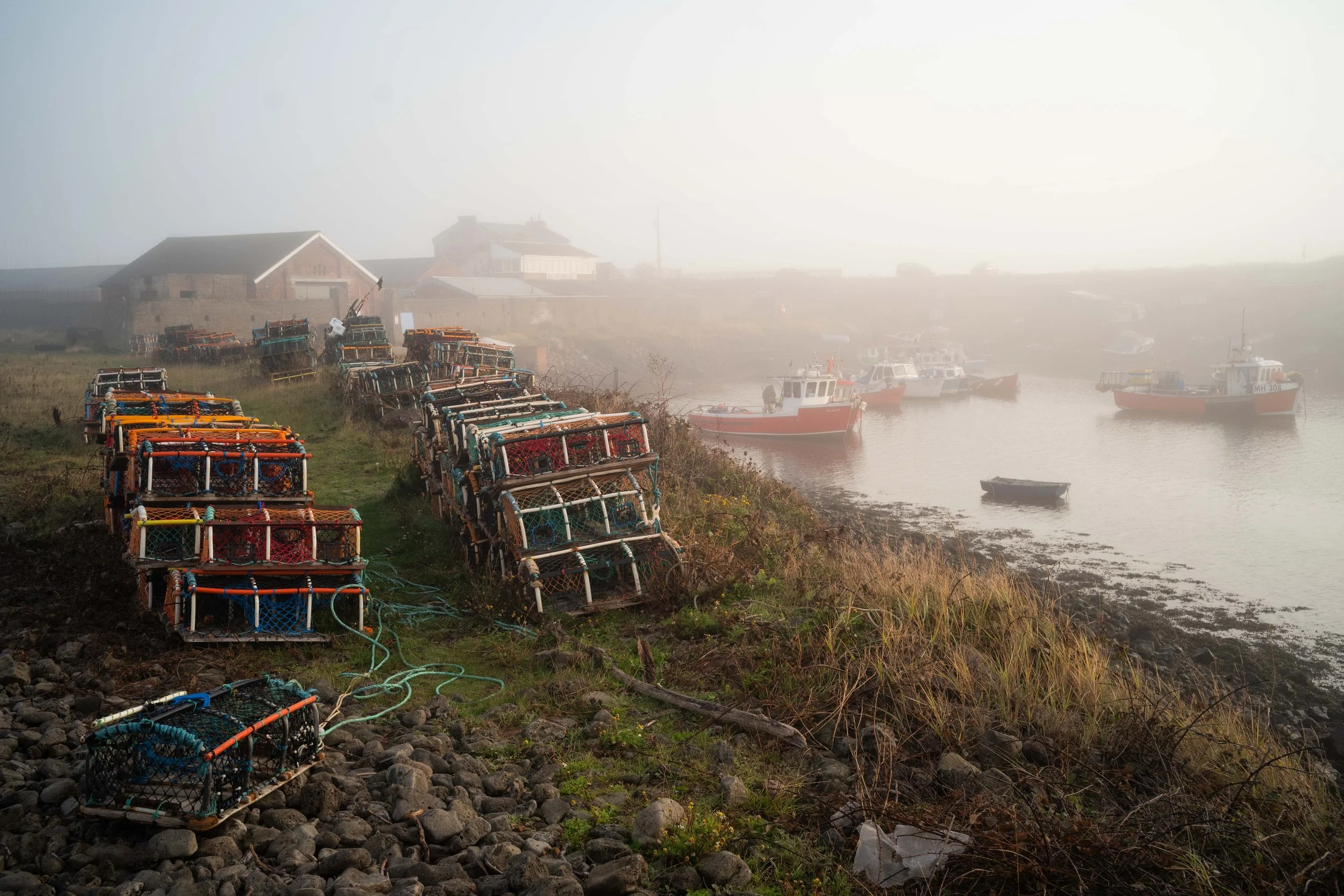
f/8
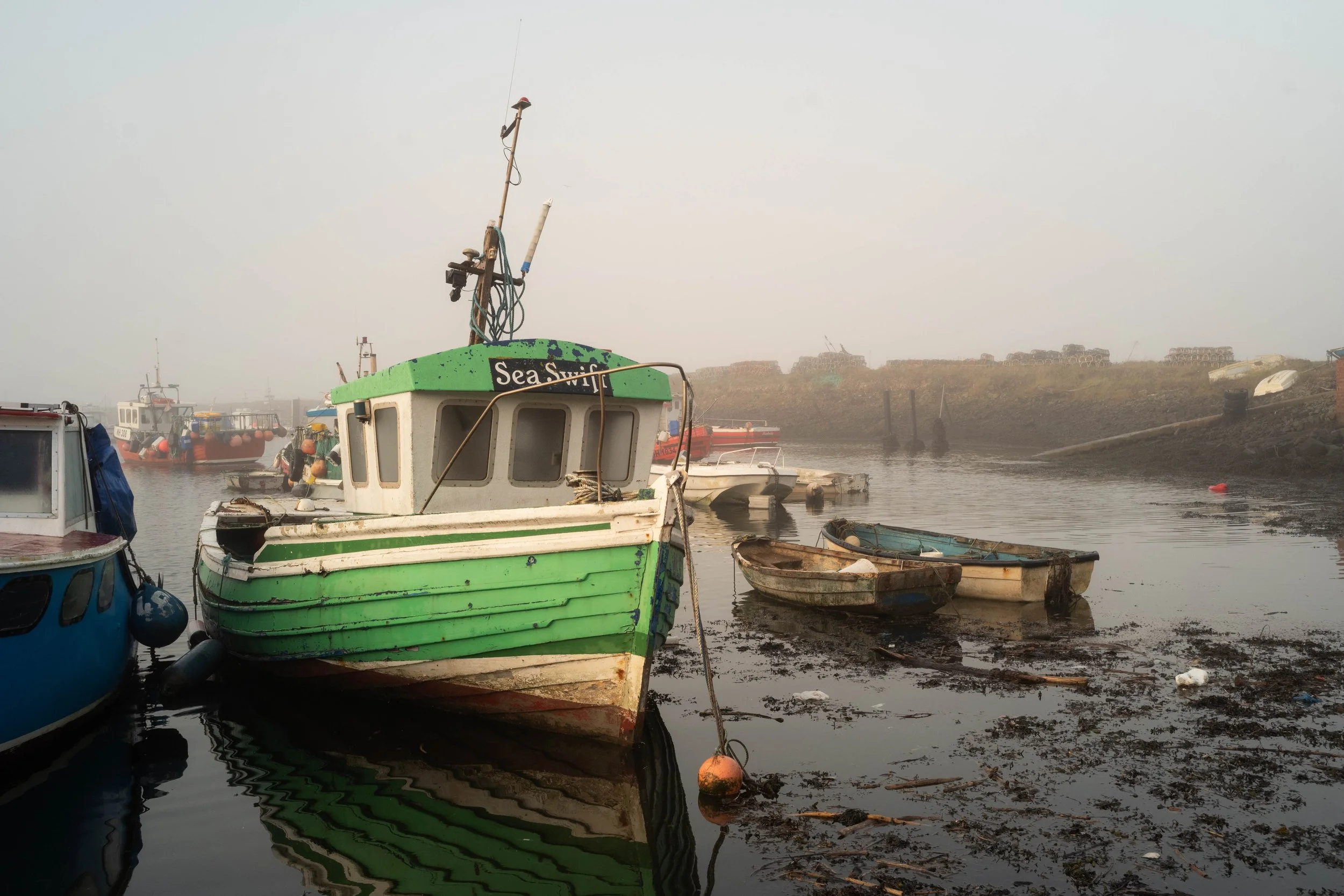
f/8
This isn't to say there aren't differences. The bokeh has a slightly more 'classic' look, and by that I mean less smooth, with more distinct bokeh balls, if that makes sense…? And, like I mentioned earlier, there is vignetting with this lens, at least when I adapt it to the Leica SL. This is correctable quite easily in post, so it's not really a bother and is worth it for the small size of the lens. I wouldnt complain about the flaring much either, im trying to think about times it’s flared and quite honestly im struggling to remembr it.
And I can tell you that the image quality is significantly better than the 7Artisans 35mm f/2. However, since then, other lenses have come onto the market with a similar price tag to the 7Artisans 35mm, namely the Mandler 35mm f/2, which I do think competes with the Leica in many ways, both in build and image quality, but has a serious downside too (do read my review of it to find out).
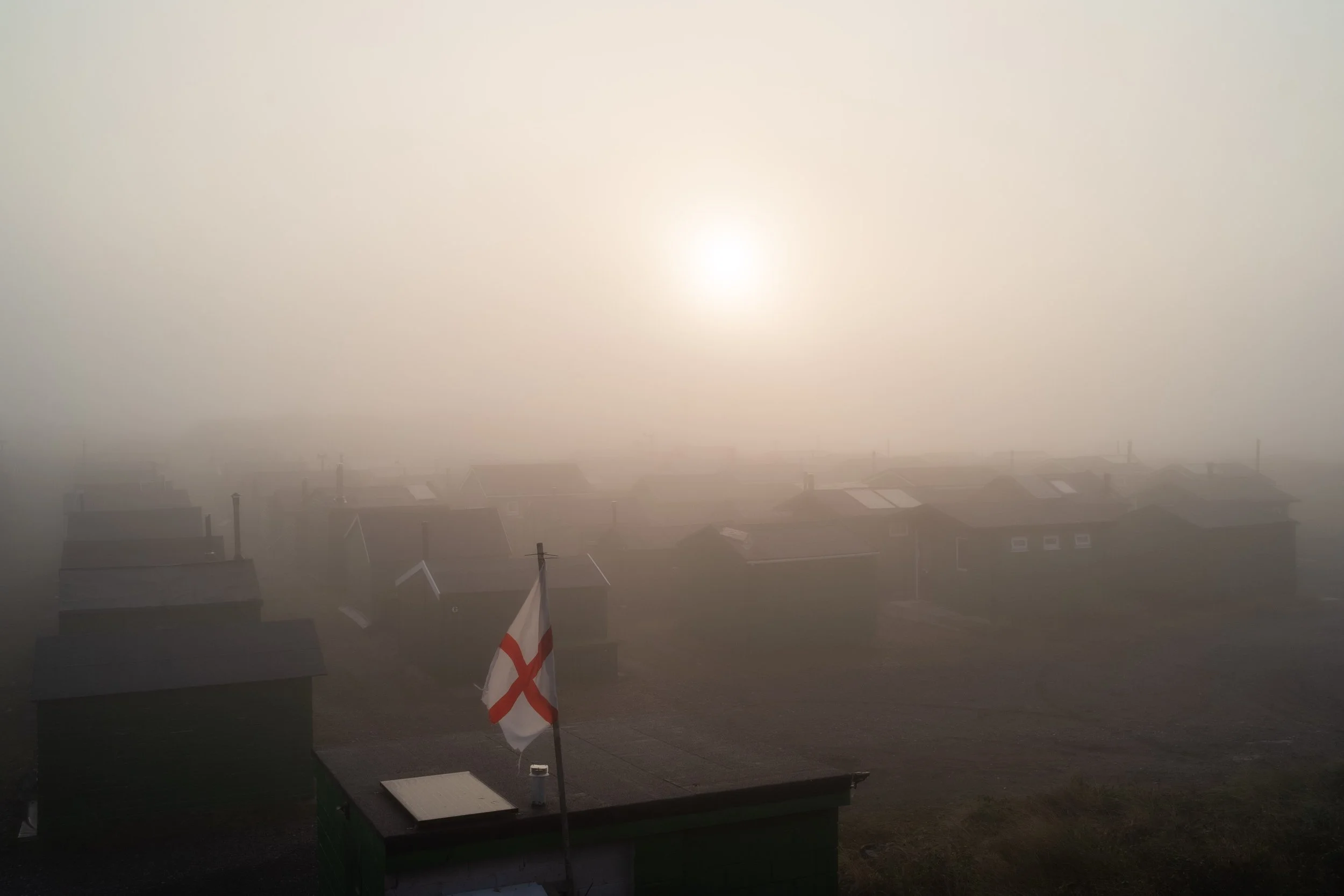
f/8
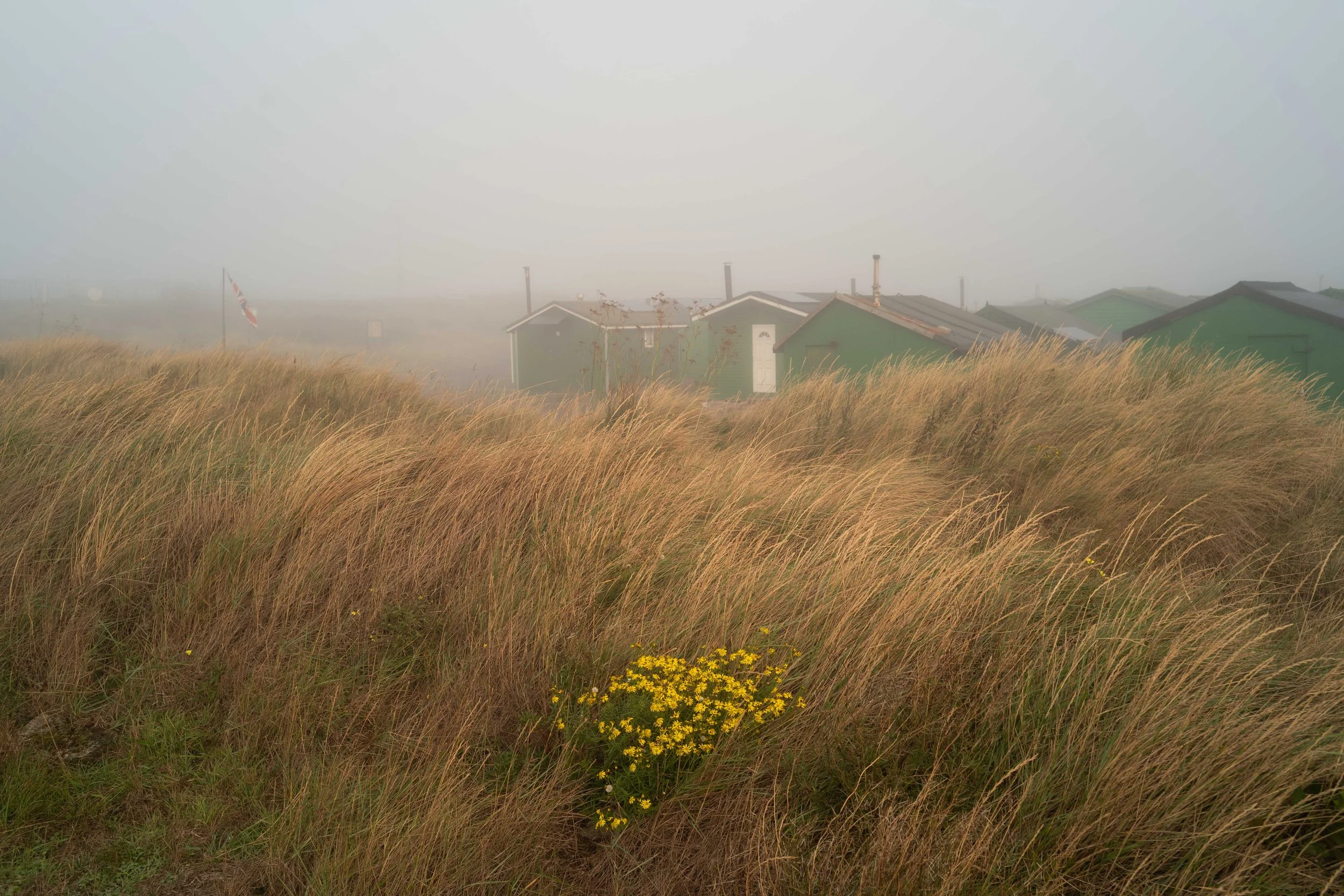
f/8
f/8
That brings me on to the build quality of this lens. It's great. Again, considering this is 24 years old, the only things that would let you know are the little bumps and scratches on it (mostly ones I've put there) and the ever-so-slightly wobbly aperture ring. Although this is something I have come to expect from Leica and seems to be a feature on the other Summicrons I own, it's something Voigtländer doesn't have on its Ultron lenses.
The focus is so smooth, the tolerances are amazing, and this lends itself to just being a joy to use. Its metal construction and weight are just a joy to hold and use. However, these qualities are being matched by many third-party lenses nowadays, and I have to say they have got very close. So much so that I'm not sure Leica really stands ahead of its competition anymore.
However, there is one major difference. These Leica lenses are repairable and serviceable by incredibly knowledgeable technicians. This means that when you buy a Leica lens, you're investing in something that could quite honestly last you a lifetime. And with most cameras being mirrorless now, you can keep adapting it to every new body you get. The mounts may change, but you'll only need to change the adapter.
And I'm speaking from experience on the repairability side. My version of this lens was dropped onto a stone floor, putting a big dent in the aperture ring. It still sort of worked. The aperture ring didn't move, and the focus was stiff and juddery, but I sent it off for a 'CLA' (clean, lubricate and adjust), and it came back perfect, minus the aesthetic ding on the outside of the aperture ring. I have to say, it actually works better than when I got it.
f/8
f/8
f/8
I’ve used this lens in the Philippines while photographing a story on schistosomiasis, in East Jerusalem documenting Christianity, and most recently in Eastern Ukraine. But I have to admit, it is most frequently on my camera here in the UK. Across all these situations, it hasn’t once let me down.
This is the beauty of a manual-focus lens: there is very little to go wrong with it. As a reliable workhorse of a lens, this one has been amazing. I trust it anywhere, and it will always have a place in my bag when shooting a story. It’s less intimidating to those you photograph, and its small size means you can take your camera to more places. Also, with no autofocus motor to power, your batteries can last a little longer.
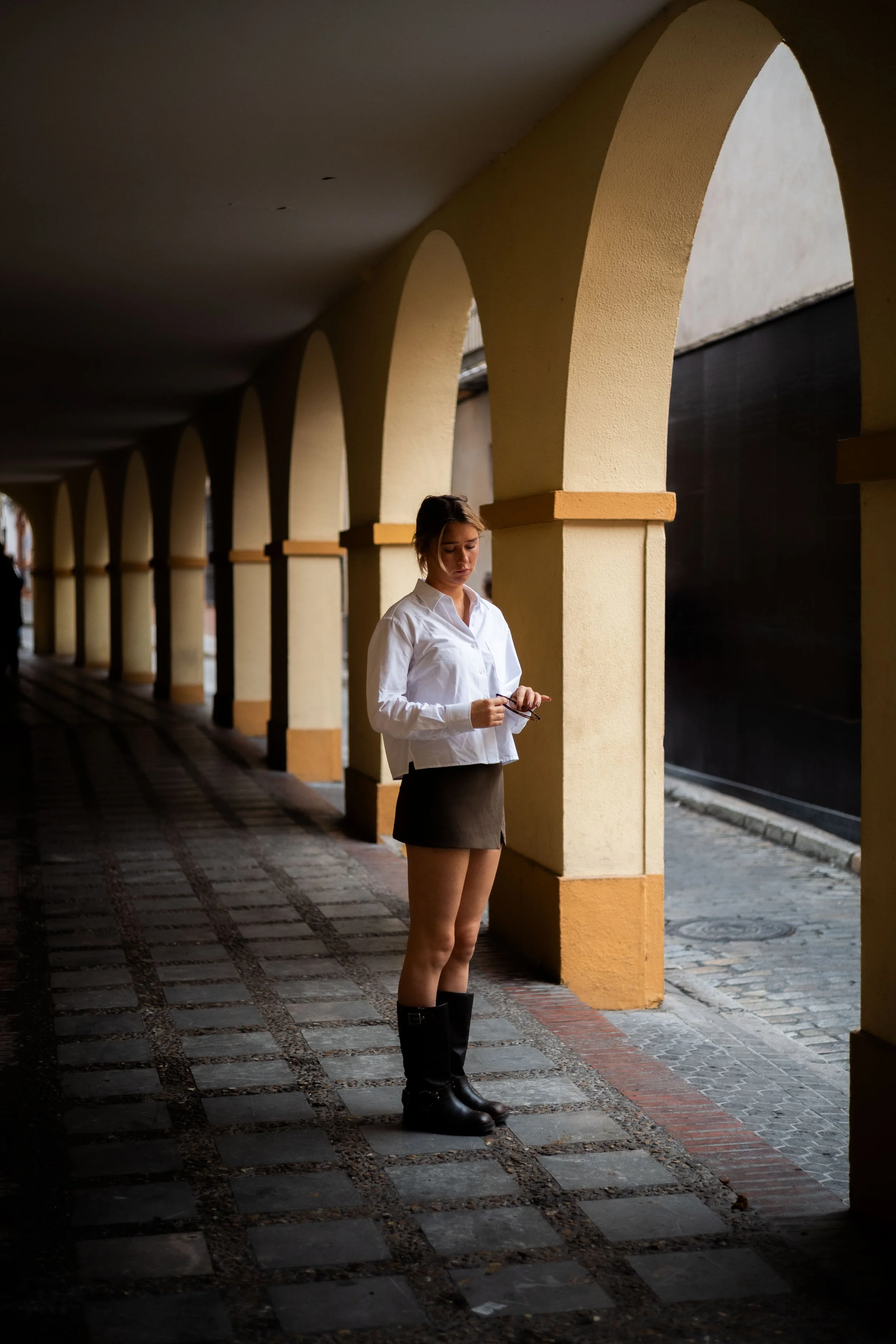
f/2
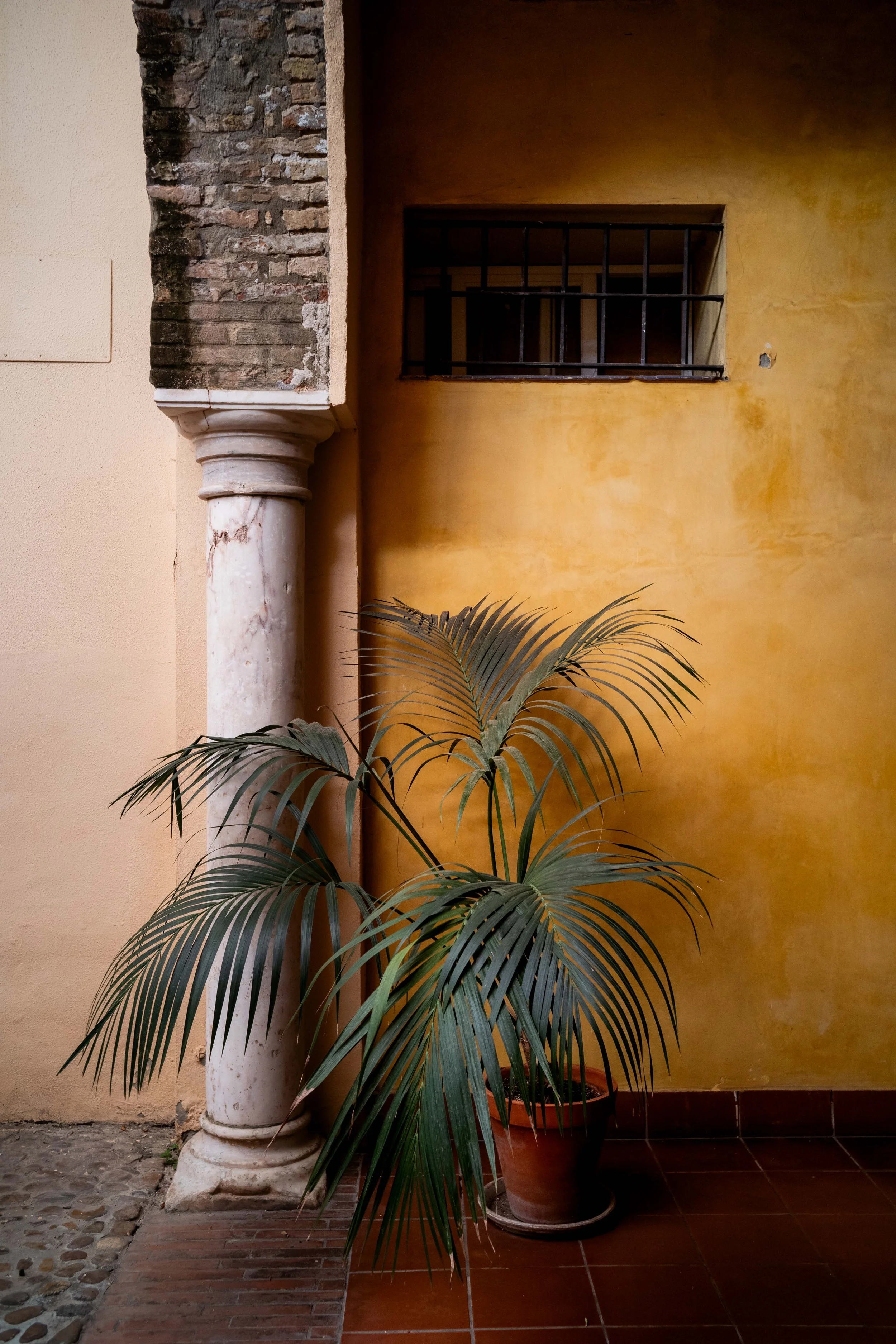
f/5.6
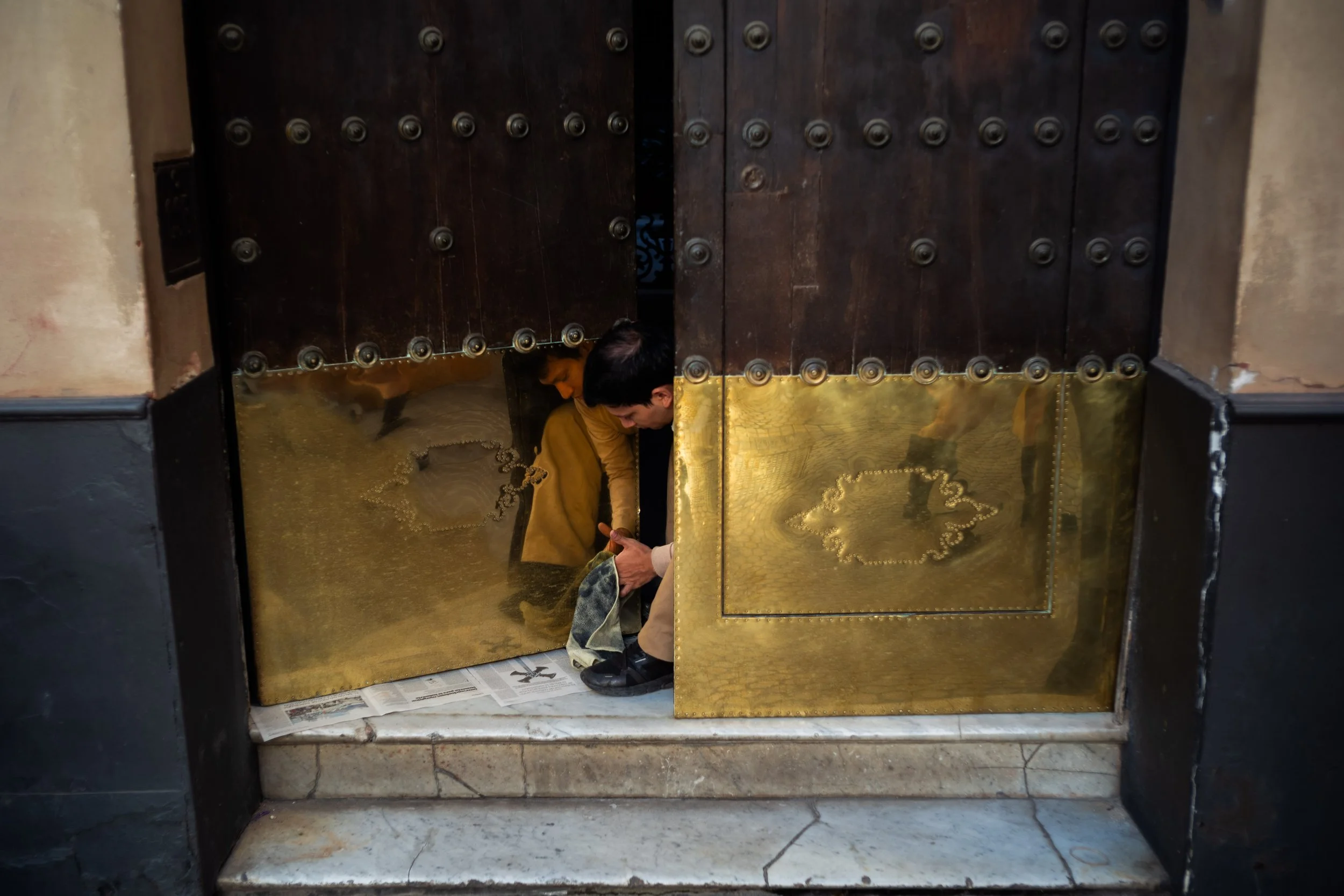
f/4
I think this brings me to my conclusion. This lens produces modern-quality images in a compact, handmade, tactile package with incredible build quality and robustness. You pay for that, though, even on a lens that is 24 years old. Yes, there are now other options available on the market that get you 90% of the way there at a fraction of the price, but it's always that last 10% of anything that costs you the most.
So, would I recommend it? Yes, I still would, but only if you have the money available and/or want the best and the OG. It will hold its value when you sell it, so it's sort of free? As long as you don't lose it or break it?
It's a cracking lens, and I enjoy putting mine on my camera whenever possible. I enjoy it even more when I manage to take a nice portrait with it.
If you don't mind not having the Leica name on your lens, I would 100% recommend going for something like the Mandler 35mm f/2. This lens costs less than a single CLA, and the shipping to the UK seems reliable. I got mine within a week of ordering. It has a slightly more vintage look wide open, but still with great clarity. It just needs a little control of the vignetting. You honestly couldn't go wrong.
Maybe get both?
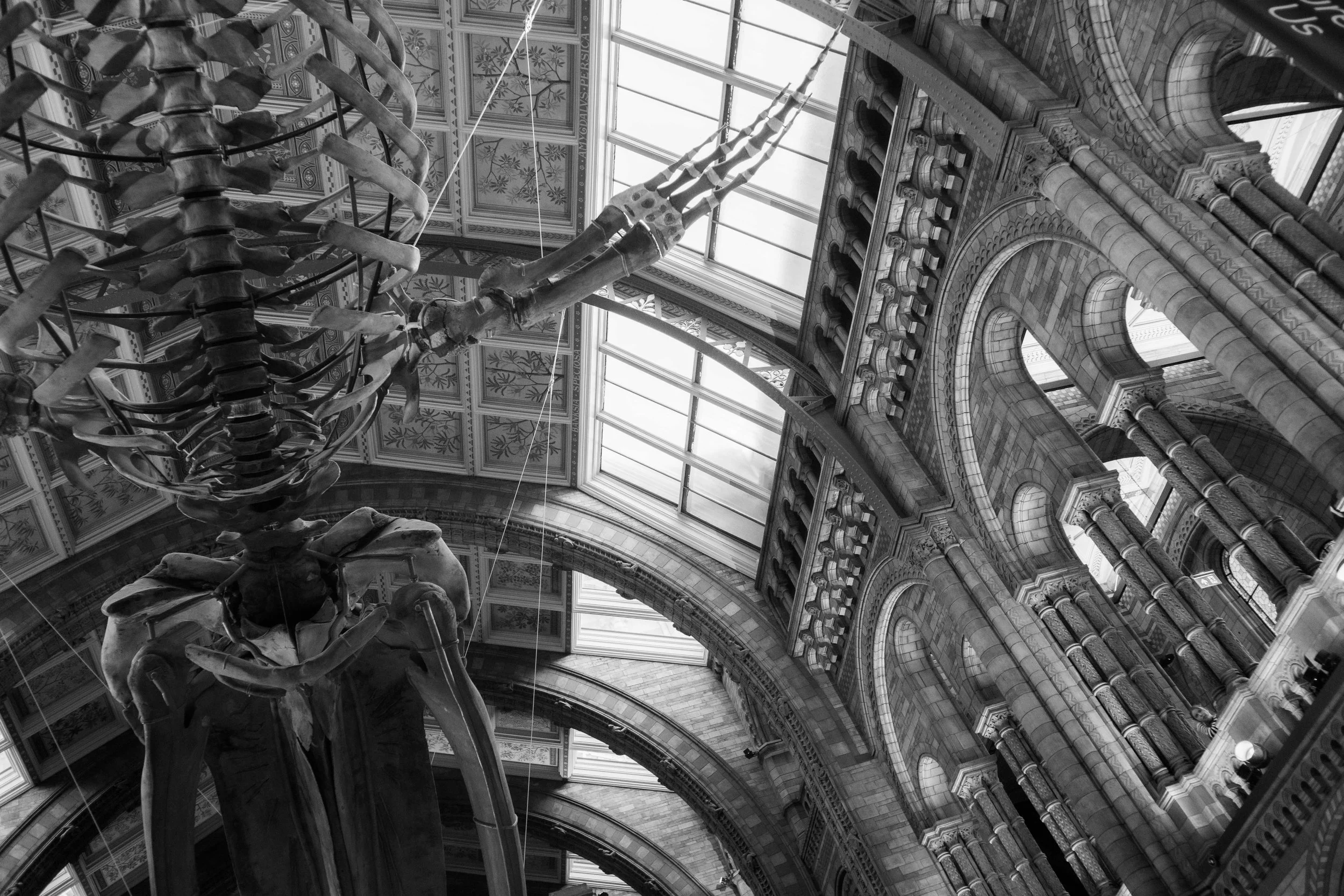
f/2.8
f/2.8
f/2.8