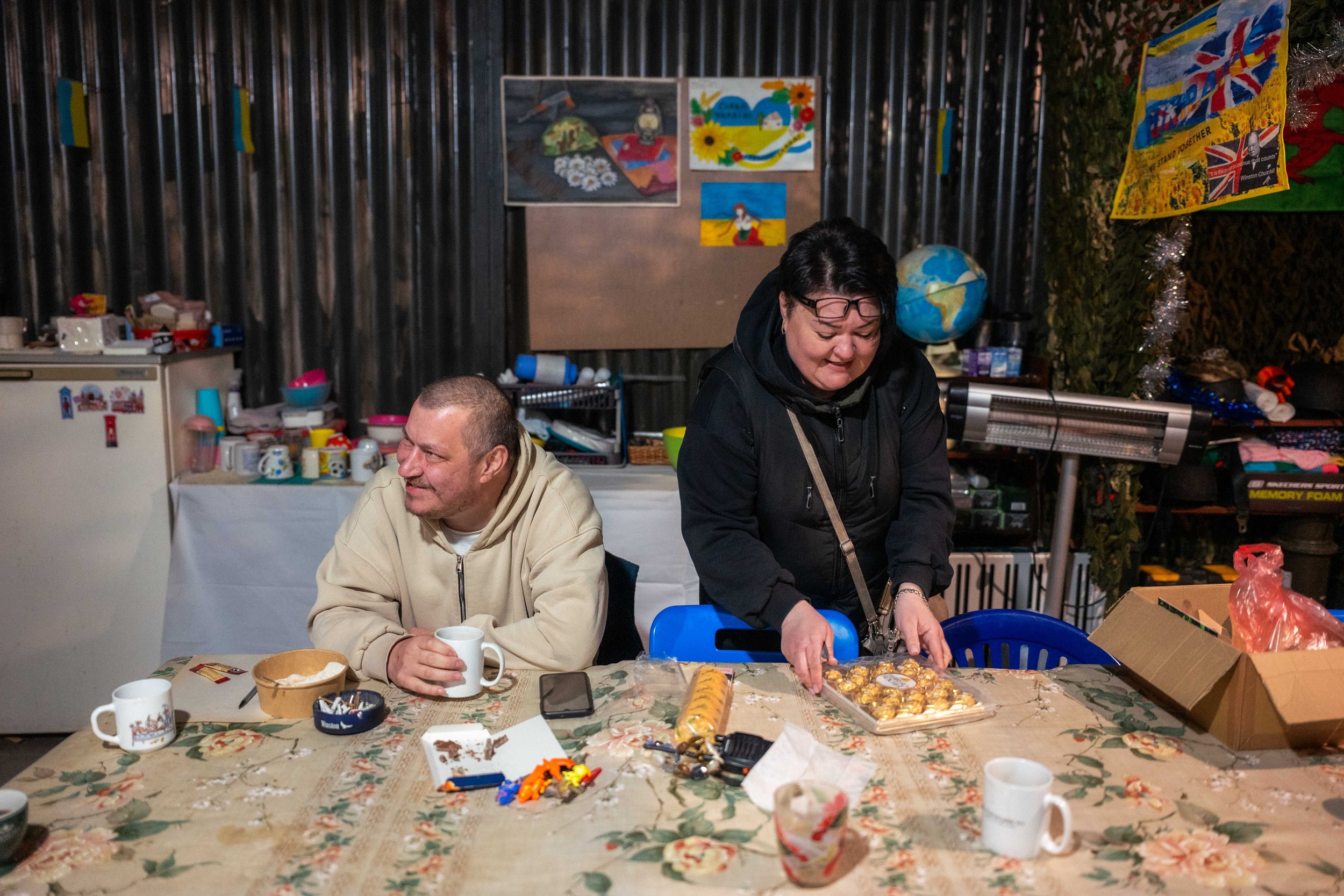
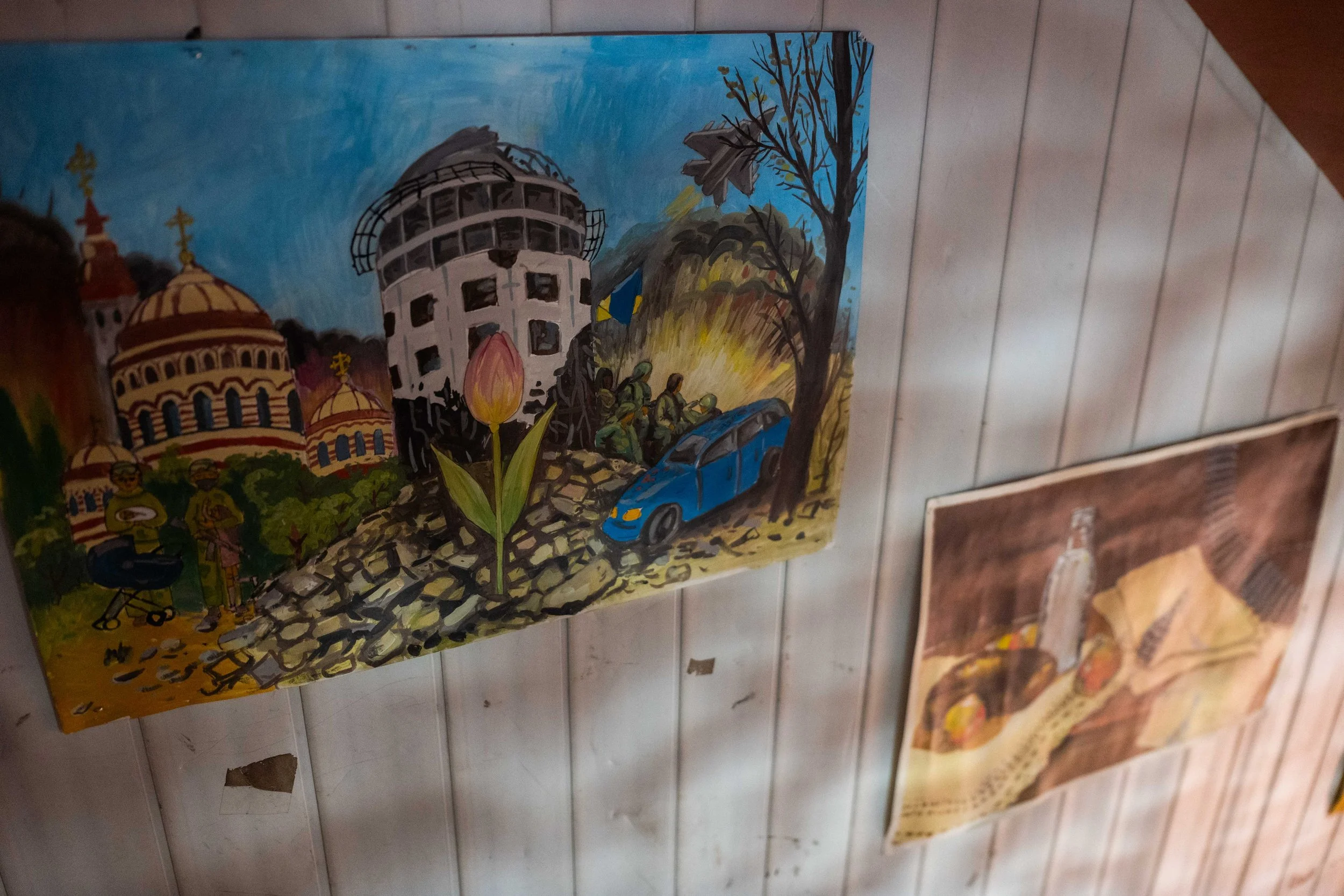
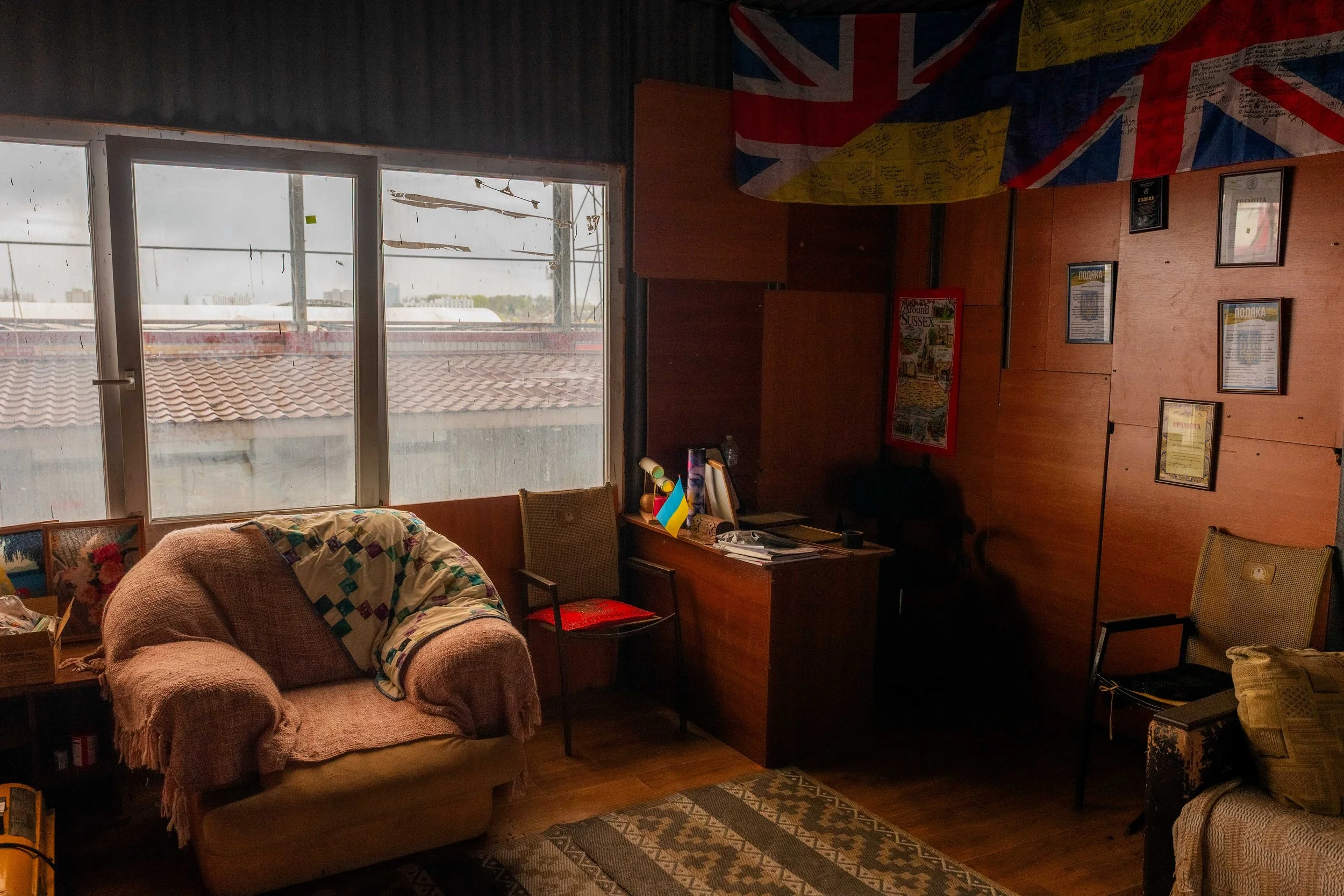
The first time I met Nadia was just before Christmas 2025. We met at one of the partner suppers held in a British styled pub in Kharkiv to celebrate another successful delivery of supplies.
What struck me about Nadia's story was the split in her family, which had divided her from her brothers living in Russia, just across the border from Kharkiv in north-eastern Ukraine. What I found particularly striking was the complete isolation her brothers had imposed on her.
Initially, when the war started, they were sympathetic, politely asking her to come across the border to Russia, where they believed she would be safe. However, when she refused, identifying herself as Ukrainian, their attitudes changed. They became increasingly hostile, eventually threatening her life.
This is a theme I have noticed among other Ukrainians I've met who have relatives living in Russia, and it's something I would like to explore in more detail in the future. For now, though, I would rather let Nadia's own words tell you about her situation and what life is like for her now.
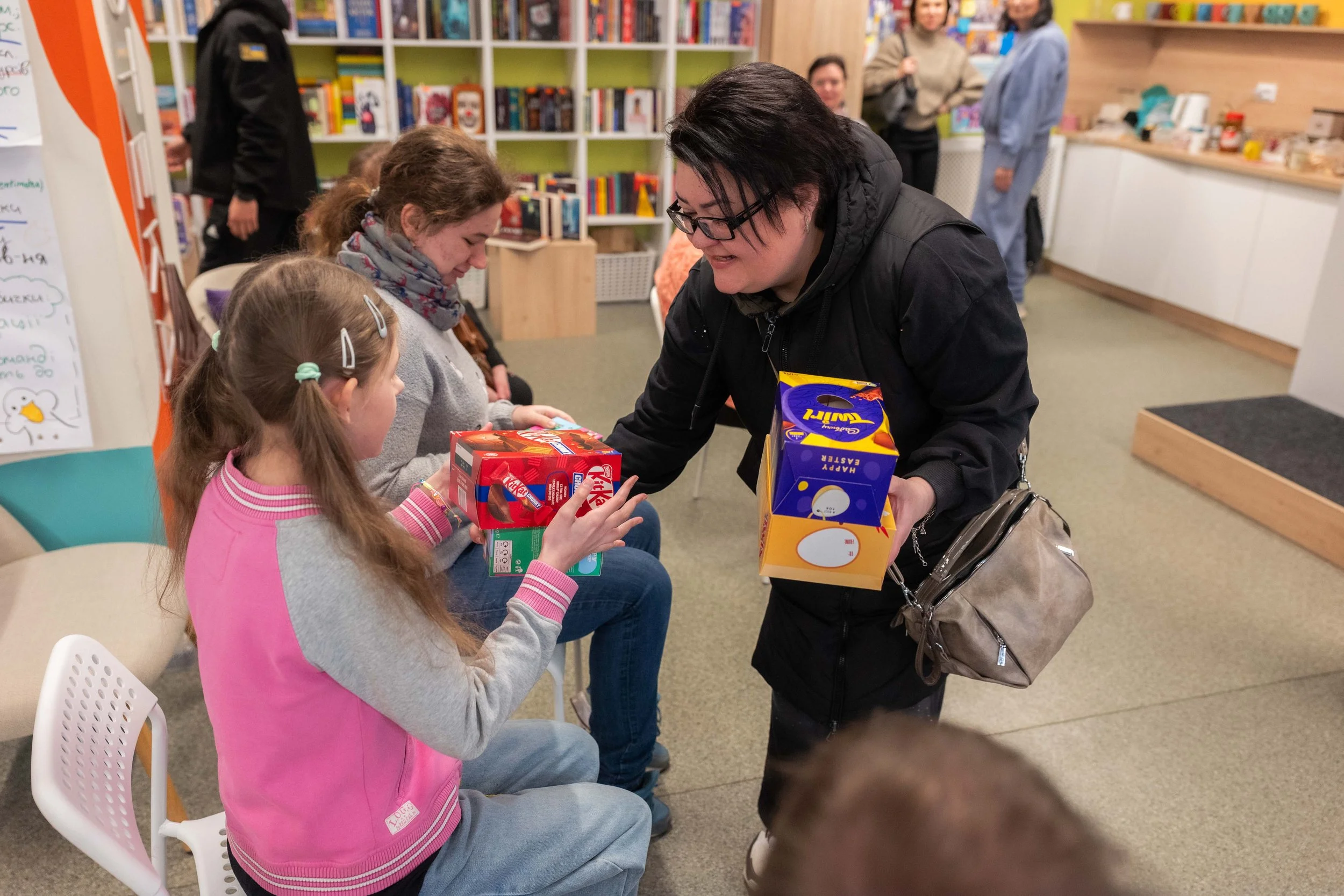
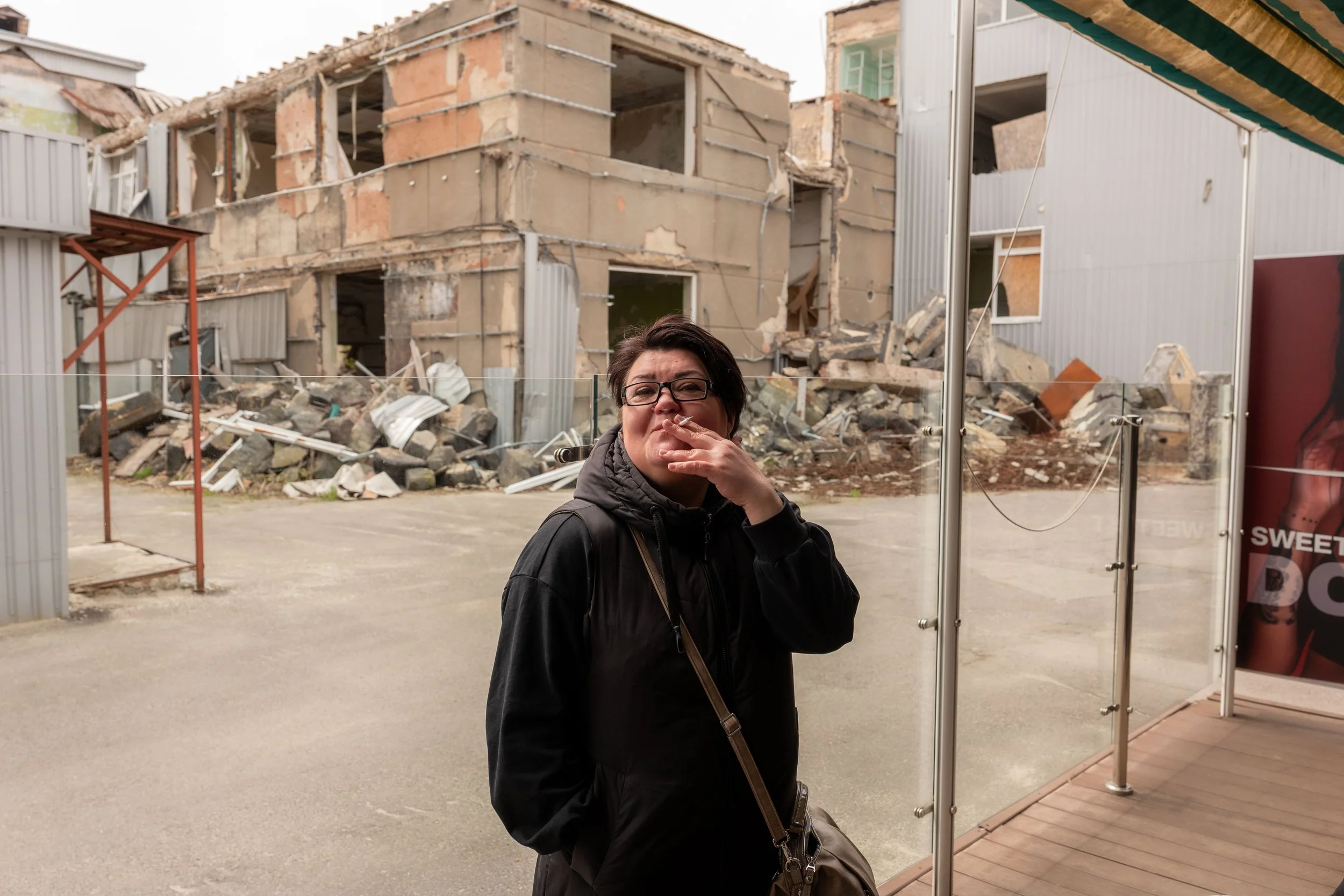
My name is Nadiia. I am 50 years old, and I live in Kharkiv.
When I was still at school, I used to read books about war and write essays about the bravery of soldiers. Deep inside, I would sometimes ask myself: would I be able to do the same — to sacrifice everything for others? Back then, it felt distant, almost unreal.
On the morning of February 24, I woke up to the sound of explosions. There were many of them, loud and terrifying. My first thought was: this is war. None of us were ready for it. The first day was chaos — people were fleeing the city, roads were blocked with traffic, everyone was frightened, and ambulances could not keep up with the number of wounded.
On the second day, the airstrikes began. For me, that was the most frightening part — the sound of a plane, that chilling whistle, and then explosions. It is a sound that stays with you forever. The bombs were so powerful that it felt impossible to hide from them.
My family decided not to leave. I have been insulin-dependent for more than 30 years, and at that moment I only had enough insulin for four days. All the pharmacies were closed, and there was nowhere to buy it. My husband and my son-in-law started searching everywhere they could — and managed to find enough insulin for about a month. In that moment, I felt as if I could breathe again. I knew my life would go on. That was also the beginning of our volunteer work.
On March 2, three bombs hit my home. It was almost completely destroyed. I survived, but I lost everything. My apartment turned into a pile of bricks, glass, and debris. The memory of that moment feels unreal, as if I was watching a terrible film rather than living it.
I didn’t just cry - I screamed from the pain. Everything I had built over many years disappeared in a single day.
Soon after, people started calling me - others who, like me, depended on insulin. That was when I realized that in this war, people can die not only from bombs, but simply because they cannot get the medicine they need.
My husband searched for fuel wherever he could. My son-in-law, Sasha, delivered medicine under shelling. Denys found food and brought it to basements where families with children were hiding. My daughter and I cooked at home, packed food into jars, and delivered it to elderly people who had become trapped by the war.
This is how, together with friends, our family created a charitable foundation to help people survive.
In May 2022, Denys and Sasha went to the front line. It was a very difficult time. My daughter and I continued our work. The airstrikes stopped, but missile attacks began. Sometimes dozens of missiles would come in a single night.
In the autumn, I received a call from their brigade saying they had been surrounded and were missing. Those were the longest two weeks of my life. I could not eat, I could not sleep — it felt like I had even forgotten how to breathe. But I believed they were alive.
And then one day, the phone rang: “I’m alive.” It was one of the happiest moments of my life.
After that came a severe injury, surgery, and a long recovery. We had to learn again how to breathe, how to walk, how to live. And despite everything, Denys returned to working with the foundation.
Over time, our work grew. We began evacuating people from dangerous areas. I went with him - always nearby, following a man I see as strong, brave, and deeply kind.
We are supported by people from the United Kingdom. Thanks to their help, including initiatives like “Stezhka Nadii” and “Stand for Ukraine,” our city receives vital medical supplies. Eventually, the foundation received ambulances. By mid-2024, we had five vehicles provided by our partners.
Since the beginning of the war, our foundation has evacuated more than 10,000 people and delivered over 47 tons of medical aid to hospitals.
Today, the situation remains extremely difficult. Evacuations have become highly dangerous. Every mission is a risk, and no one knows if the team will return safely. Everything is targeted — civilian cars, military vehicles, ambulances, evacuation transport. It does not matter. The goal is simply to kill.
In just the first months of 2026, 12 volunteers have been killed. This is the price of helping others.
People often ask me: if it is so dangerous, why do you continue?
There is no simple answer. But I believe we do this because this is our land. Because we want people to live. Because we have parents and grandparents who gave us life, and it is our duty to protect them.
Ukrainians are a kind and proud people. We will not kneel. If necessary, we will stand shoulder to shoulder and defend our home.
I want to say to the world - as a daughter, a wife, and a mother of a soldier, and as a grandmother: war is the most terrible thing that can happen. There is nothing worse than hiding your children and grandchildren in basements during shelling.
I am deeply grateful to our friends from the United Kingdom and all those who support us.
Thank you for helping us not to lose strength and hope.
Glory to Ukraine.
Glory to the heroes.
And glory to everyone who stands against war.