This trip to Ukraine came at a time when Telegram had just started to be banned in Russia, Viktor Orbán had recently been voted out of office, meaning the European loan package of €90 billion was expected to gain approval imminently, and Starlink had been shut down for Russian use. This all seemed promising and represented welcome news for Ukraine, which had seen the situation worsening since Christmas. Was the mood on the ground any different?
People were still fighting and dying, and bombs were still landing across the country, but Russian advances had slowed and were reaching a standstill not witnessed so far in the war. This was all encouraging. The people we spoke to were hopeful, but also sceptical. They had endured four years of war, four years of hearing potential good news, and four years of losing loved ones to a conflict that showed no sign of ending.
The turmoil since the start of the second Trump administration had forced Ukraine to do what it has done best since the beginning of the full-scale invasion: think creatively. It has sought to become as independent of the United States as possible, and this is slowly happening.
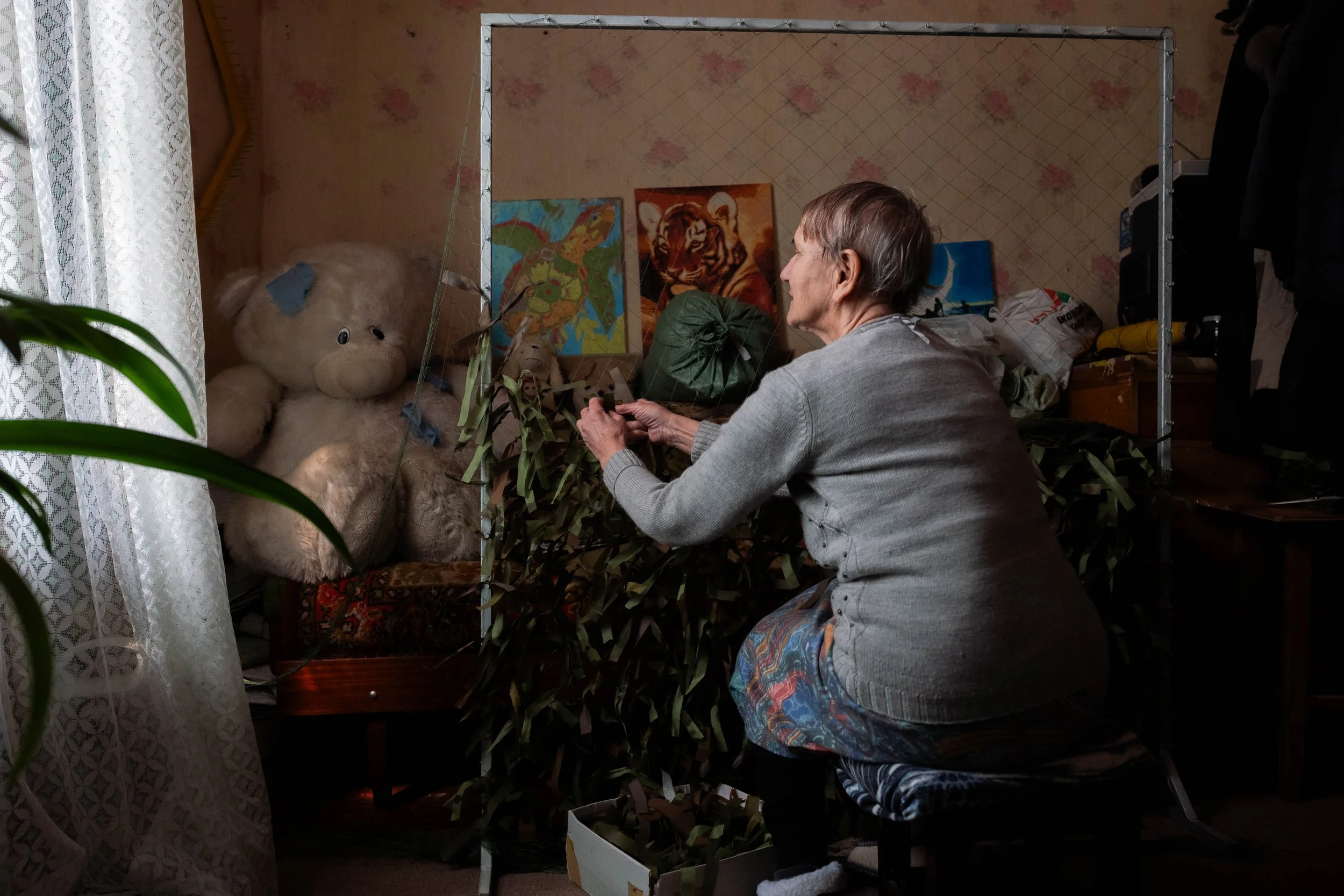
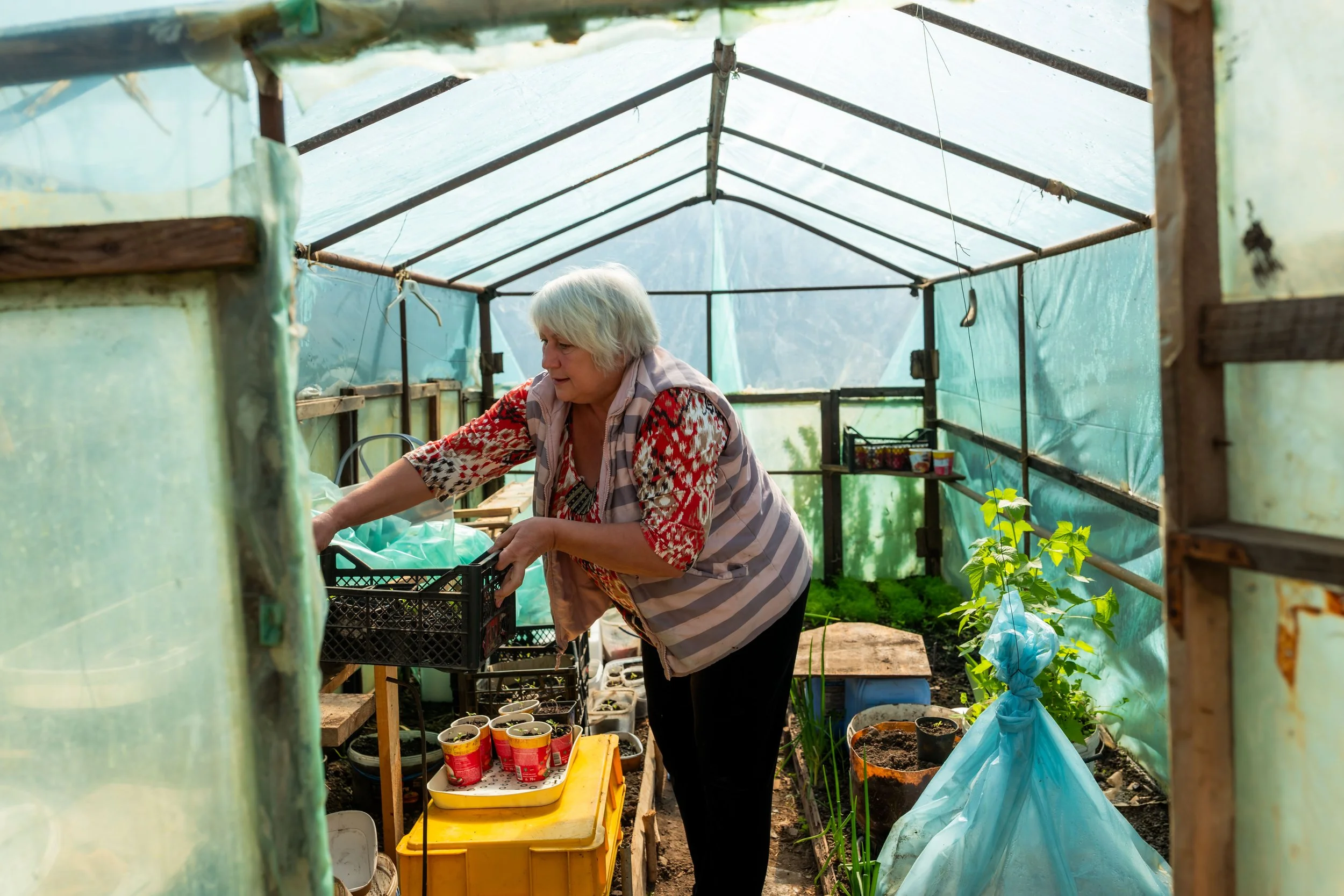
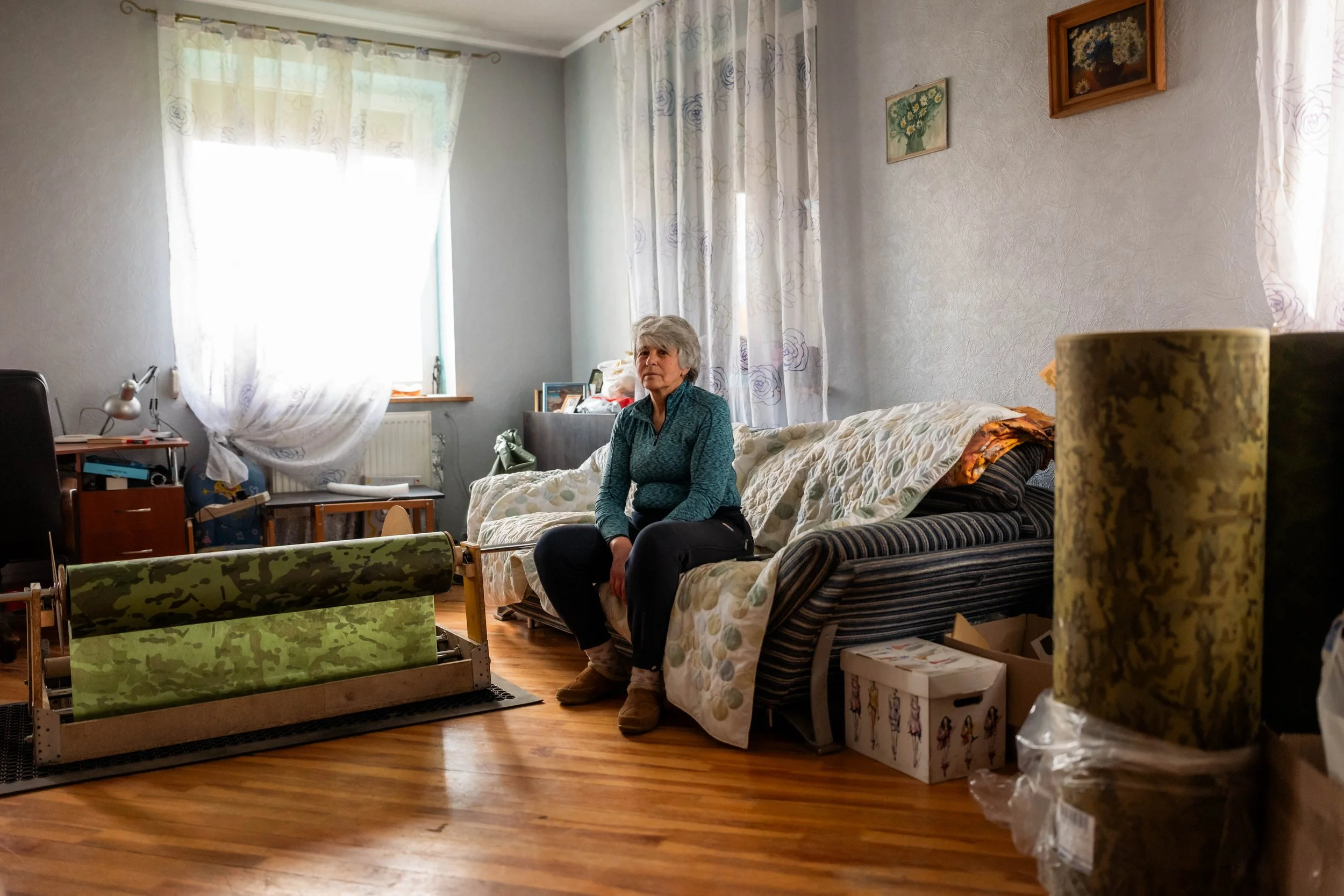
Those civilians helping the war effort were still doing so, still holding onto hope, and still incredibly grateful for the support being provided by Ukraine's international partners. However, they were becoming exhausted. The people I spoke to were volunteering in a variety of roles, from evacuating individuals living within the danger zone, to delivering aid to children, and producing supplies for soldiers in the form of candles, camouflage nets, and ration packs.
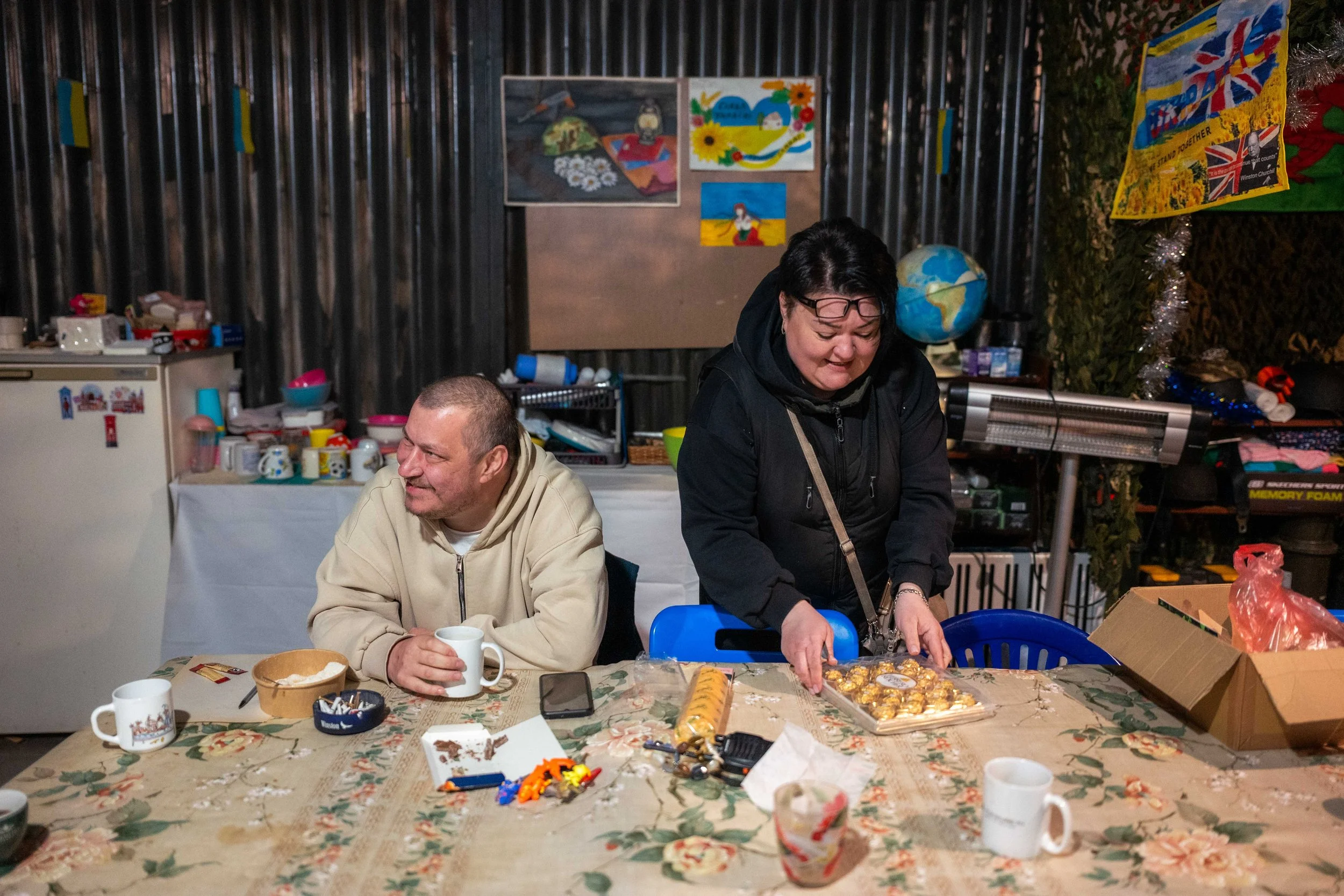
The couple I stayed with in Kharkiv were part of the "Wild Volunteer" community, a term given to volunteers who operate independently of formal organisations or government structures. They coordinate aid deliveries, organise volunteers, and transport goods to the frontline. Marina had been doing this since the start of the full-scale invasion, usually alongside women she had met through various volunteer networks, with everyone contributing whatever they could.
All had been directly affected by the war, either through injury or the loss of loved ones. One woman I spoke to had been abandoned by her husband, who returned to Russia ‘for his pension’ as he served in the Russian army as an officer prior to the war, leaving her to raise their two children alone. One of those children had been permanently disabled while fighting against the Russians the previous year.
Yet despite the strength of this volunteer community, cracks were beginning to appear. At the local primary school, which had been repurposed into a volunteer aid factory, people spoke openly about declining mental health. Several members of the team had stopped attending. Not because they no longer wanted to help, but because they were emotionally exhausted. Some had suffered breakdowns. They were not criticised by those who remained because everyone understood the pressure they were all under.
It is important to remember that this was Kharkiv, a city that came close to being occupied during the early stages of the war and has endured constant bombardment ever since. The headteacher I spoke to had remained resolute throughout our conversation until I asked about her personal experiences. At that point, she broke down in tears. She had lost numerous members of her immediate and extended family, along with many of the staff and students she had taught and worked alongside.
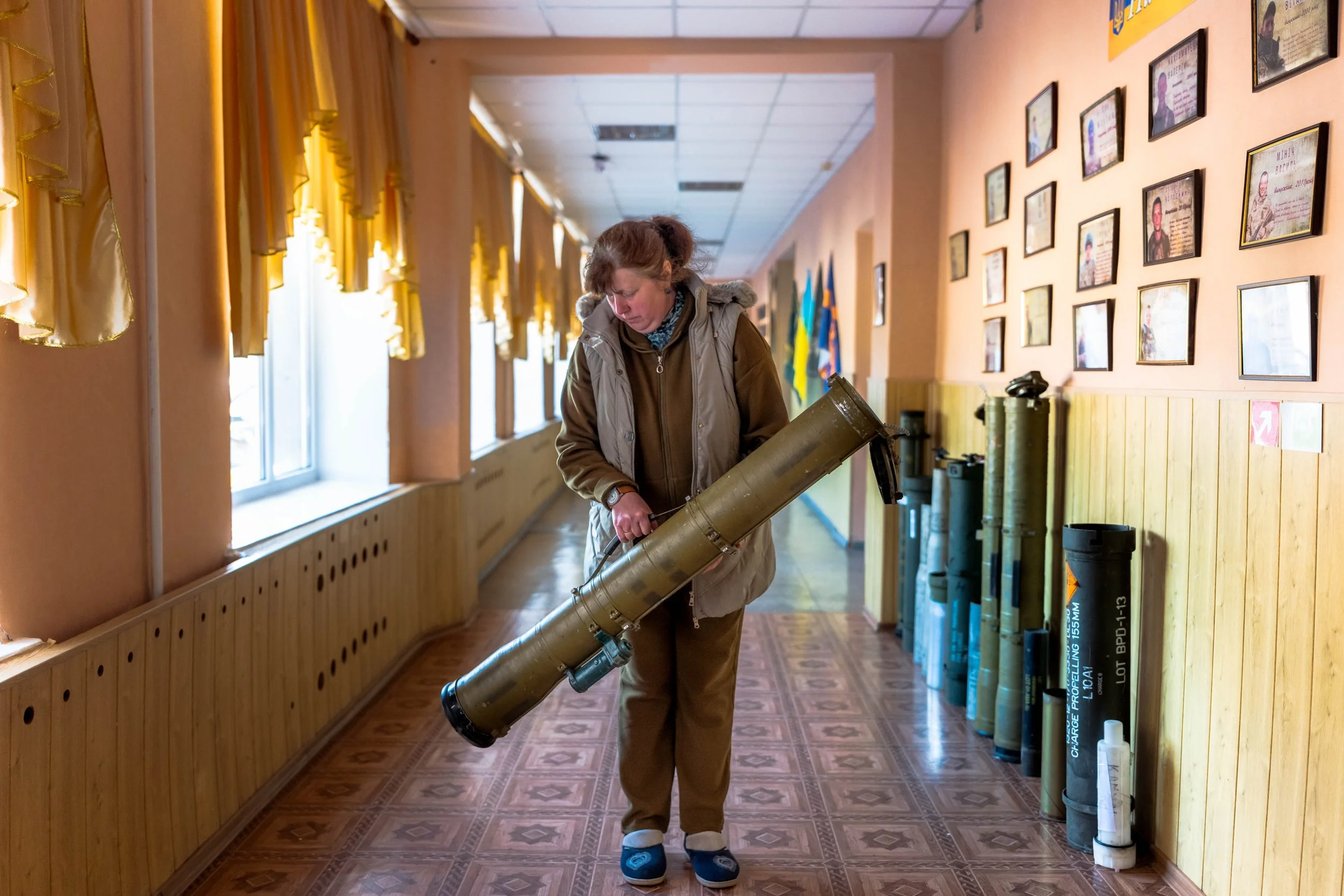
One wall of the school had been dedicated to photographs of these individuals, alongside the war trophies they had sent back while serving: fragments of Russian rocket launchers, drones, and artillery shells.
The volunteers were predominantly women beyond retirement age. Many of the men had either gone to fight or returned to work to support the city's recovery, just like Igor, my second host. He had come out of retirement to help repair the water infrastructure after it had been damaged by strikes.
On two of the days I was there, he returned home saying that Shahed drones had landed not far from his worksite. He recounted one occasion when he was called to repair a burst pipe only to find human remains still scattered around the scene.
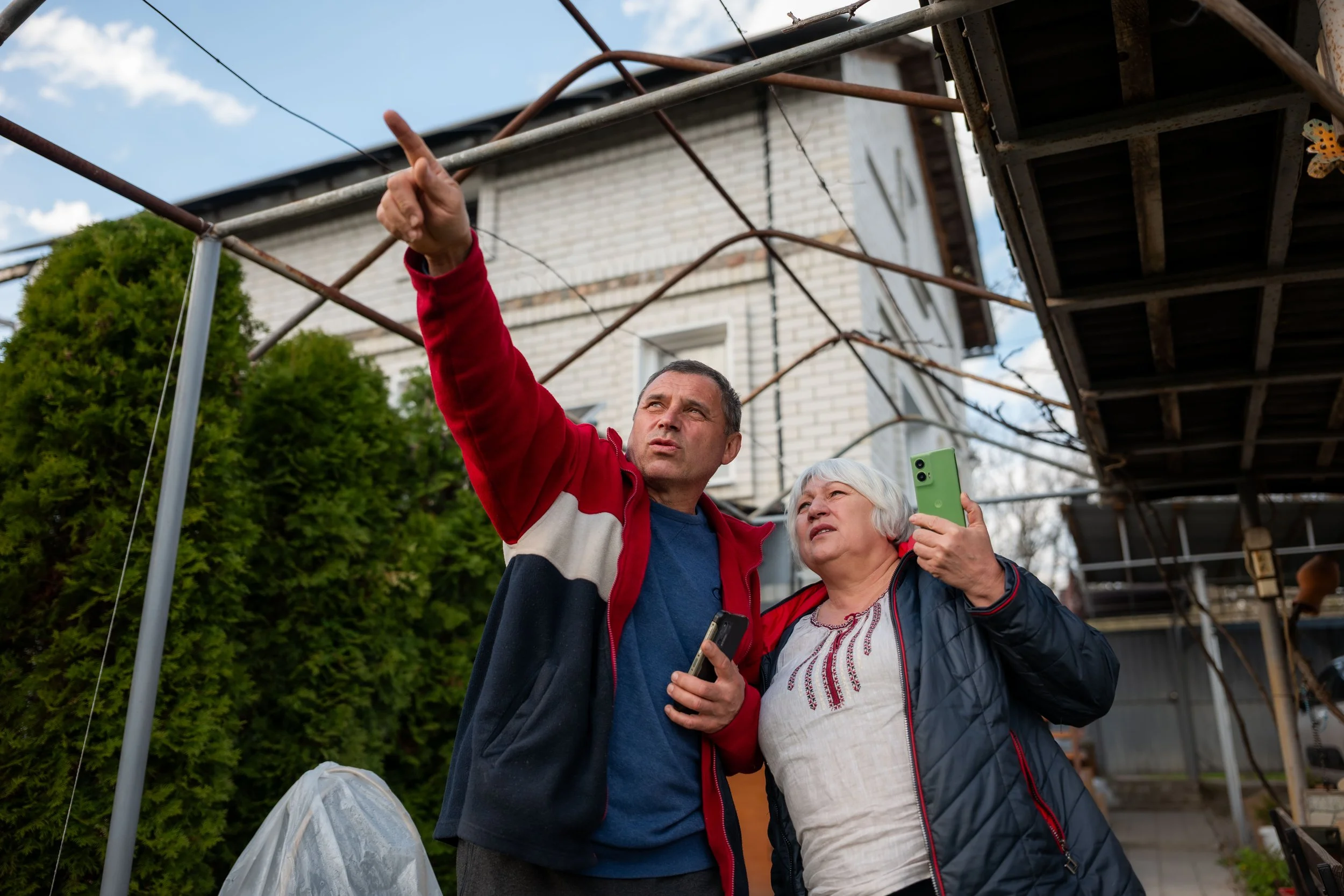
During my stay, several Shahed drones flew over the house, circling before heading towards Kharkiv. While that might sound alarming, it was described as normal. In fact, I was told not to worry unless I saw one begin to wobble, as that usually meant its GPS was being spoofed and it might fall out of the sky.
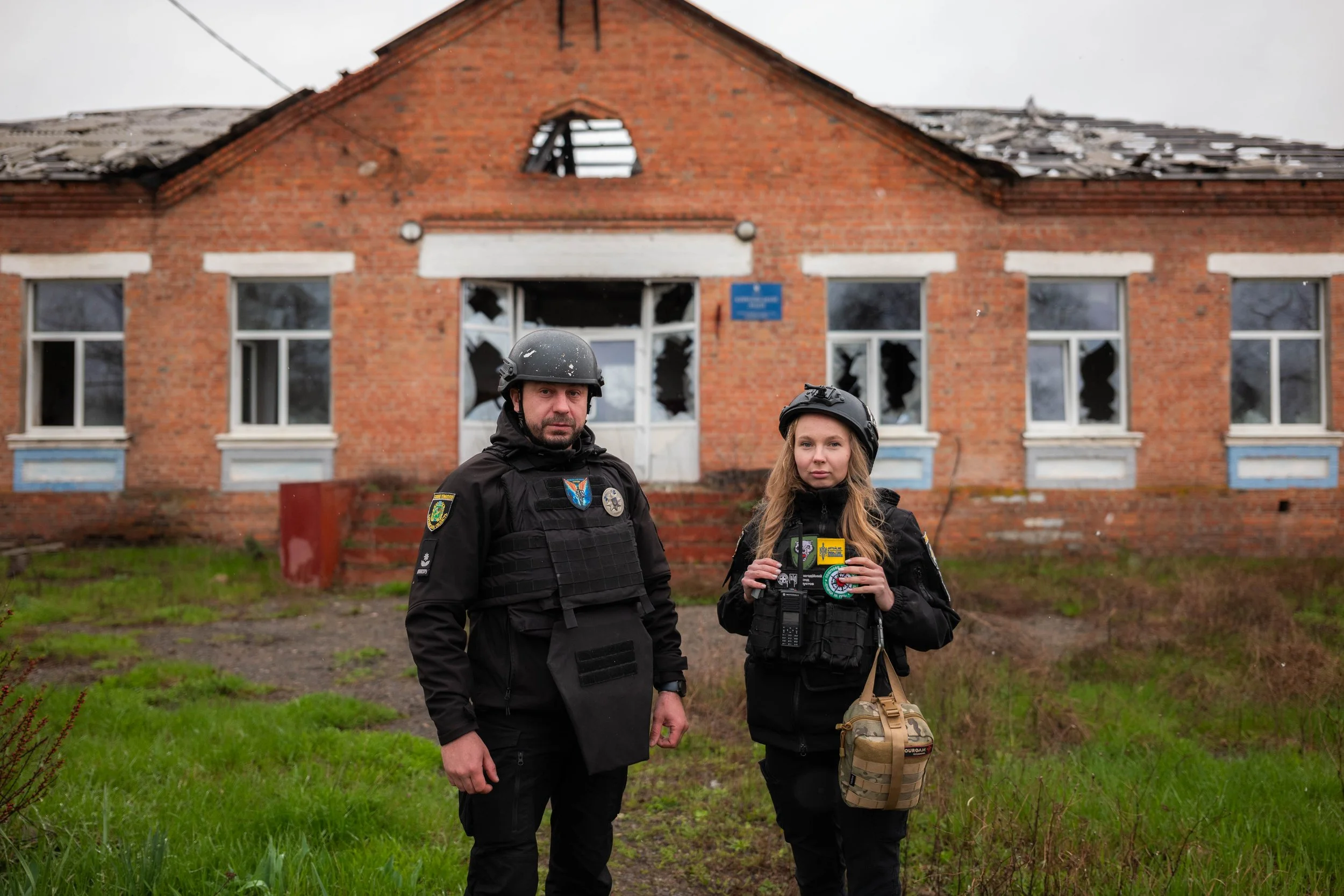
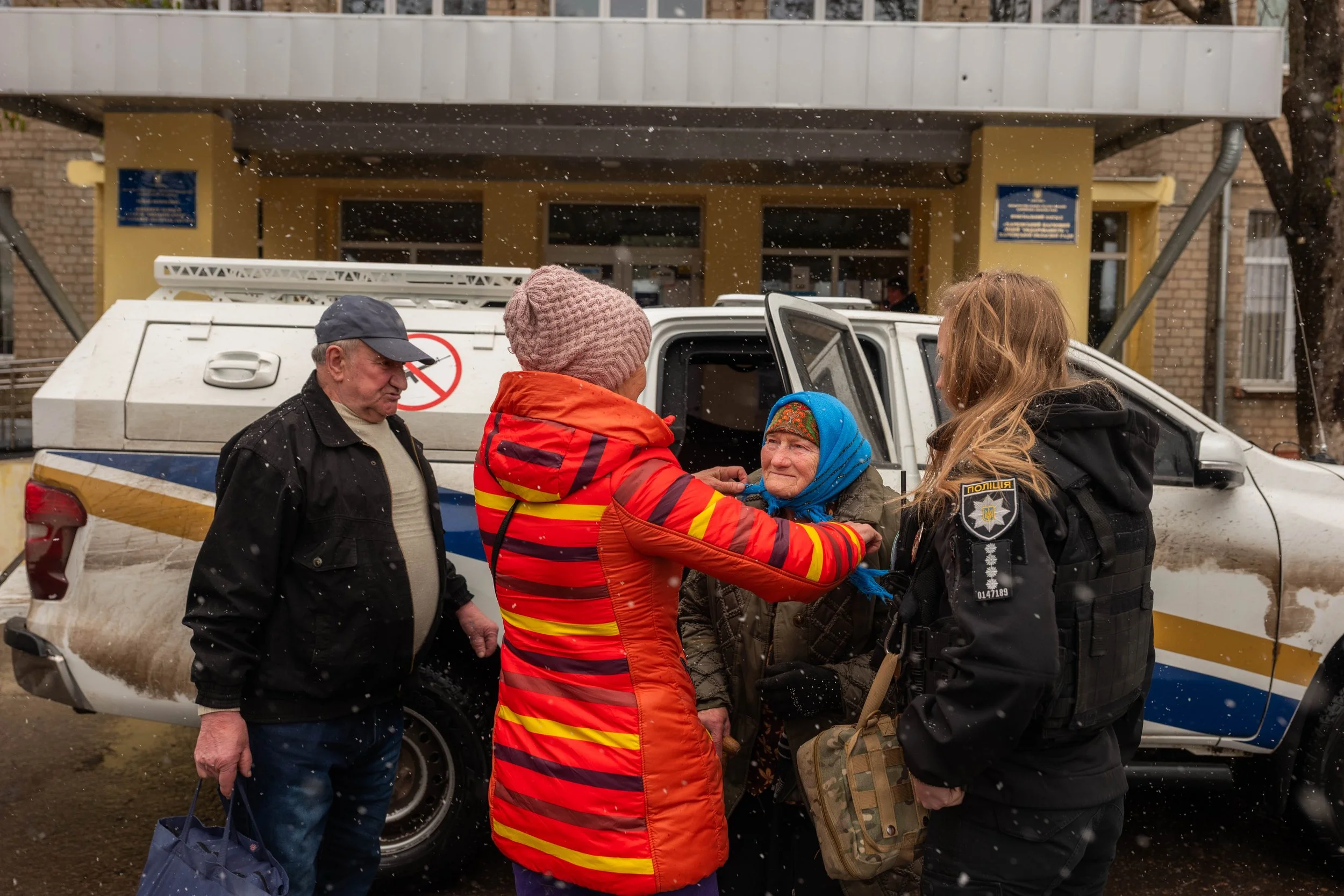
I also joined an evacuation of an elderly woman whose house had been struck by a drone the previous day. Although I was not allowed into the "red zone" and remained with the police escort, the threat posed by FPV drones was very real. The drone detection device was constantly beeping, and we were not permitted to remain in one location for too long.
This was the activity that had concerned me most. It was the one occasion when I knew we might actively be hunted by FPV drones, despite still being around 20 kilometres from the Russian border. To put that into perspective, that is roughly the distance of a half marathon. A Saturday morning long run away from Russia, or 12 minutes down the motorway. It is not far.
Fortunately, it was snowing, which meant the drones could not fly effectively, making the situation considerably less stressful. Nevertheless, as we travelled closer to the border along back roads, we passed destroyed vehicles, craters, and ruined houses. It seemed unbelievable that people still lived there, but many had no choice. A cemetary, with fresh non military graves – a reminder that the normal cycle of life and death still occurred int hese areas outside the war.
The evacuation was successful, and the tension that had built beforehand among both myself and the evacuation team quickly dissipated. I had been concerned because many evacuees do not want to leave their homes. It is important to understand that, for many, their house represents the only wealth they possess. If they leave it behind, they effectively have nothing.
Those concerns disappeared the moment I saw the woman's face as she stepped out of the armoured evacuation vehicle. She was beaming. Genuinely happy. It was incredible to witness and a powerful reminder that the efforts of these volunteers genuinely change lives.
During this trip I also spoke to a member of the Ukrainian Special Operations Forces. I asked him how the loss of Starlink access and the Telegram restrictions were affecting frontline operations. He explained that, within his area of responsibility, the impact had been limited so far. While somewhat disheartening to hear, the territorial maps suggest that broader effects may have still been emerging.
One particularly interesting observation he made concerned the Russian special forces. In his experience, there remained a degree of professional respect between opposing special operations units. He described them as soldiers carrying out a task professionally. They fought effectively, but they generally did not engage in the torture of prisoners or many of the war crimes more commonly associated with conventional Russian units. He noted that Russian special forces would often surrender when they recognised that the fight was lost rather than continue needlessly.
It was an interesting perspective and, in a strange way, reassuring. It suggested that somewhere within parts of the Russian military there remained traces of professionalism and humanity, even if they were fighting for a cause that is profoundly wrong.
There are many more insights thoughts and experiences I need to cover and will right up in due time alongside the photos from the trip. I hope to go back as there is still no end in sight for this war.
If you are interested in more of my stories about Ukraine I have more here and here. I also have the write up of my first trip ti Ukraine last christmas here. I will be writing mrore so please do come back on check.