
Lost in the Lyme: Navigating Identity in the Wake of Post-Treatment Lyme Disease Syndrome
Post-Treatment Lyme Disease Syndrome (PTLDS) is more than a lingering illness; it's a silent thief that steals fragments of one's identity. Those affected often find themselves grappling with persistent pain, fatigue, and cognitive challenges, which overshadow their former selves. Hobbies and passions fade into the background as everyday tasks become insurmountable. The person they once were—a vibrant, active individual—seems like a distant memory. PTLDS doesn't just impact the body; it reshapes the soul, leaving many to mourn the loss of their identity while struggling to rediscover who they are amidst the fog of chronic symptoms. This journey is also one of mental health struggles, the desperate and illicit use of veterinary drugs, and rejection by the medical community.
PTLDS exists in the grey area of science, where personal anecdotes intertwine with ongoing research. Patients' stories of relentless fatigue, pain, and cognitive struggles highlight the profound impact of this condition, yet these lived experiences often outpace scientific understanding. While emerging studies strive to unravel the complexities of PTLDS, the disconnect between patient experiences and clinical validation creates a challenging landscape. This intersection of anecdotal evidence and scientific inquiry underscores the urgent need for more comprehensive research and empathetic care approaches to bridge the gap and bring clarity to those suffering in the shadows.
I have travelled across the country, from the picturesque landscapes of Cornwall to the remote beauty of the Outer Hebrides, engaging with individuals affected by Lyme disease. Each conversation reveals unique struggles and shared resilience, highlighting the widespread impact of this silent pandemic. Through these heartfelt discussions, I’ve encountered stories of pain, perseverance, and the relentless quest for understanding and validation, painting a poignant picture of the human spirit's endurance against the backdrop of PTLDS.
As an immunologist and photographer who is regularly in the outdoors pulling ticks off myself, this is a story I couldn't not tell. I’m looking to hear from people affected by Lyme disease or PTLDS—if this is you, or someone you know, please get in touch via email at williamejw@outlook.com or Instagram @wjwtravel.
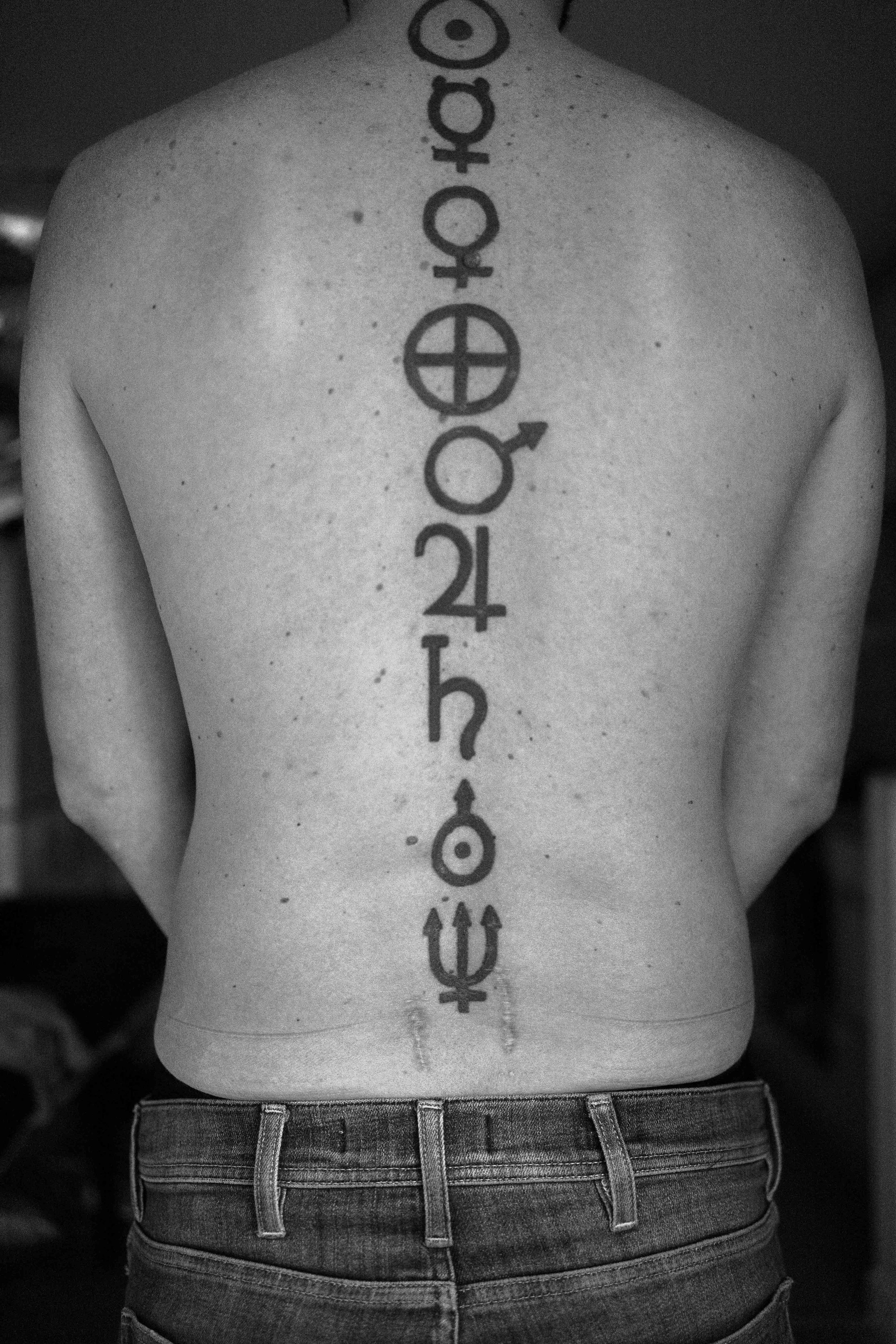
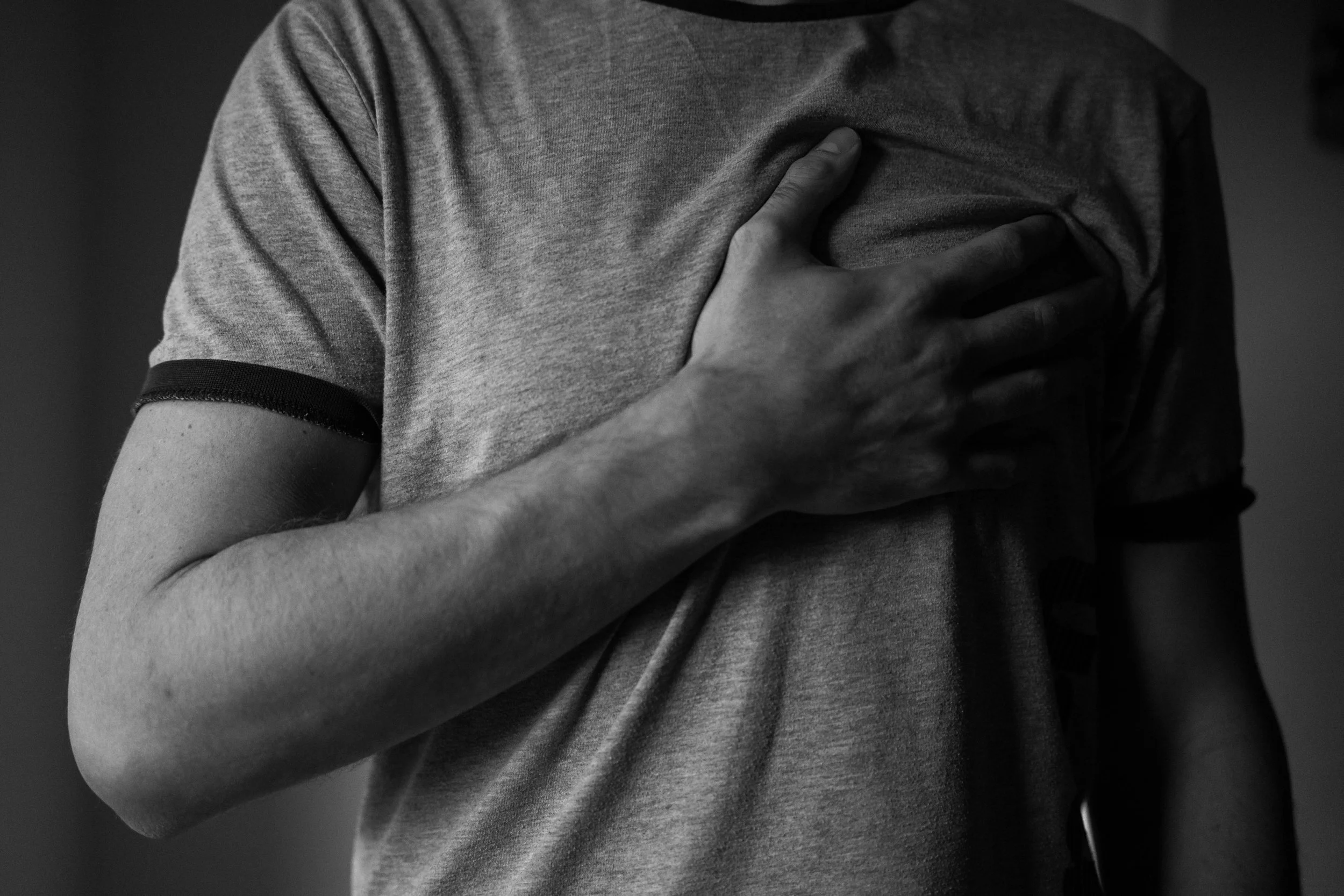
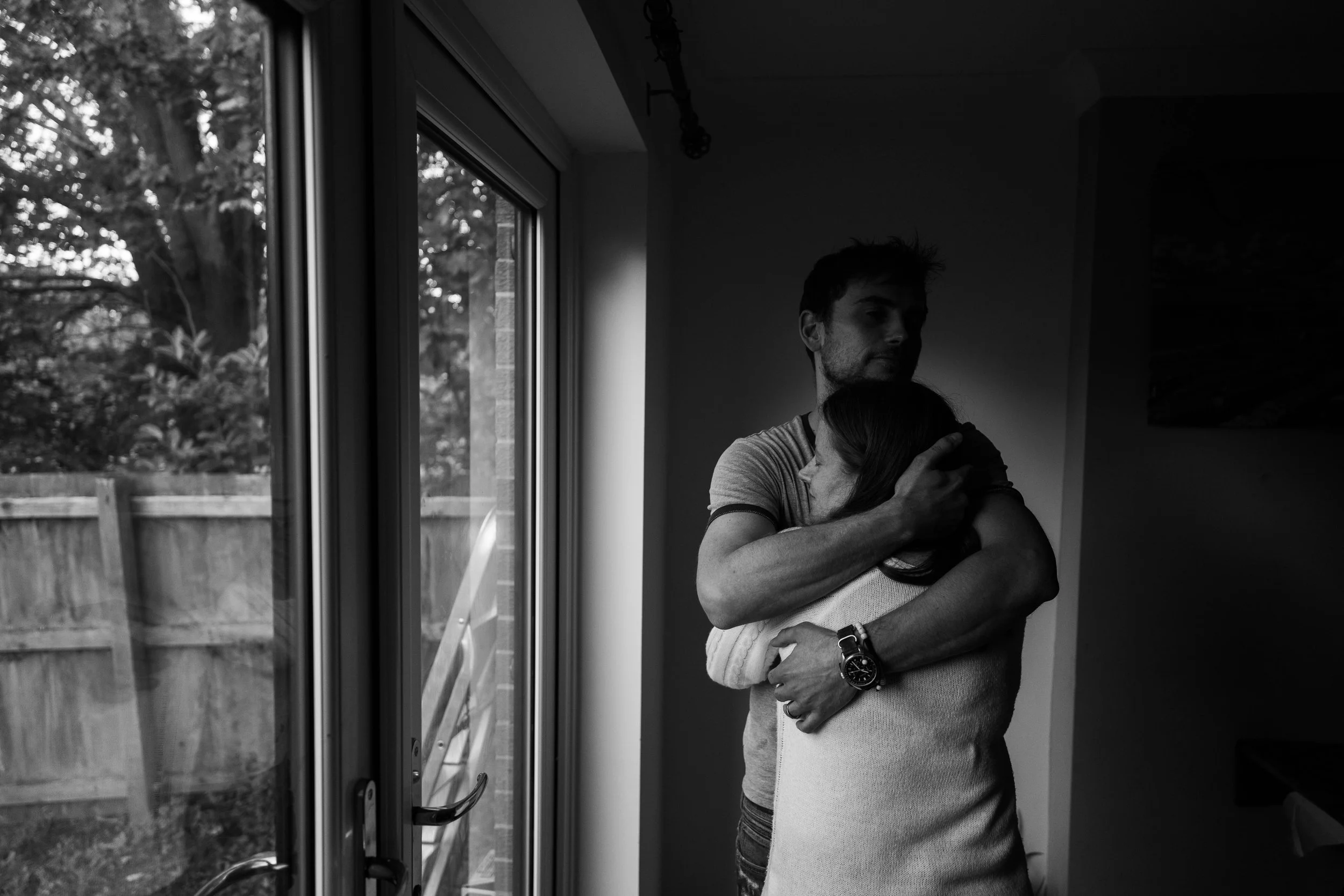
Steve & Chris
Before illness, Steve’s world revolved around solving problems.
Working in cyber security, travelling extensively for work and studying astrophysics in his spare time, he was the sort of person who never sat still. His wife, Chris, remembers a man who could spend hours immersed in complex spreadsheets before returning home to play with their young son.
Today, she says, there are days he struggles to spell his own child’s name.
Their story did not begin with a tick bite. At least, not one they remember.
Instead, it began with a succession of unexplained illnesses that slowly dismantled the life they had built together.
Returning home from Goa, Steve developed meningitis. Chris recalls how he initially tried to discharge himself from hospital before deteriorating rapidly and being admitted to intensive care just hours later. Although he recovered from the acute infection, she says he was never quite the same afterwards.
Years later, following the death of his mother from cancer, his health deteriorated further.
Persistent back pain became so severe that he eventually collapsed. Doctors suspected slipped or herniated discs. Twelve weeks of recovery became months, then years. Powerful opioid painkillers brought little relief, leaving Steve in constant pain. Eventually, surgeons discovered extensive damage around the L5 disc in his lower spine. An operation costing around £25,000 relieved the paralysis affecting his legs and allowed him to walk again. Steve and Chris believe years of untreated Lyme disease and the chronic inflammation they associate with it contributed to the deterioration of the tissues in his spine, although they recognise that it is impossible to prove a direct causal relationship.
Yet the surgery failed to explain everything.
Although Steve could walk again, many of the symptoms that had defined his illness remained. Brain fog clouded his thinking. His memory deteriorated. Chris describes episodes of overwhelming neurological confusion, emotional volatility and crushing fatigue. Recurrent chest pain sent him to Accident & Emergency departments every few weeks, each episode raising fears that something new was wrong. While many clinicians struggled to explain the wider picture, Chris recalls that the cardiologist who assessed Steve took his symptoms seriously and even suggested that Lyme disease can have cardiac manifestations. Even so, no single diagnosis seemed able to account for the breadth of his illness.
At one stage, Chris recalls feeling that doctors had become so focused on Steve’s back that they struggled to accept anything else could be happening. The physical injury explained some of his symptoms, but not the cognitive decline she witnessed every day. The man whose career depended on analysing complex systems now found himself unable to complete a simple spreadsheet.
Eventually, almost by chance, they watched a television programme about people living with Lyme disease.
The stories felt painfully familiar.
The possibility had been raised once before. Around a year earlier Steve had undergone a test for Lyme disease, but the result had been reported as negative and the diagnosis was dismissed. Believing they had reached another dead end, they continued searching for answers elsewhere.
However, the television programme prompted them to seek another opinion at a specialist clinic in Hemel Hempstead.
Further investigations there suggested that Steve had Lyme disease including neuroborreliosis. For Chris, it was the first explanation that seemed capable of connecting the many seemingly unrelated symptoms that had dominated their lives for years.
Before this diagnosis, Steve had been admitted to hospital repeatedly with episodes of sepsis-like illness every few months. Chris says that following treatment, including a two-week course of doxycycline, those recurrent admissions stopped. However, many of his neurological symptoms remained, but she believes the treatment marked a turning point.
Pain, however, continued to dominate everyday life.
Chris describes watching doctors prescribe increasingly powerful opioid medications with little benefit. Eventually Steve became a prescribed medical cannabis patient, which she says brought greater relief than the opioids had. Even so, there were periods when the relentless pain, uncertainty and loss of independence became overwhelming. Chris recalls times when Steve questioned whether life was worth living.
“You wouldn’t be harsh with someone who had a brain injury,” she told me. “But because you can’t see what’s wrong with Steve, people think he should just get on with life.”
The consequences reached every corner of family life.
Chris was pregnant during some of the worst periods of Steve’s illness. There were times when Steve could no longer play with his son. The confident, analytical man she had married was gradually replaced by someone fighting simply to make it through each day.
“The world awaits you,” Chris tells him whenever hope begins to fade.
The family estimate they have spent well over £100,000 searching for answers.
Private consultations, specialist clinics, overseas investigations and treatments gradually replaced holidays, savings and financial security. Eventually they downsized dramatically, leaving behind the life they had built together for a much smaller home as medical bills consumed their savings.
For Chris, the greatest frustration has not simply been the illness itself, but the uncertainty surrounding it. Different specialists have offered different explanations. Like many of the families I met, they have found themselves navigating a confusing landscape of conflicting medical opinions, emerging research and private healthcare, each offering a different interpretation of the same illness.
Across almost every interview I conducted, one theme emerged repeatedly: desperation.
Patients spoke of spending evenings searching scientific papers, joining overseas support groups and discussing treatments unavailable in Britain. Others travelled abroad in search of specialists, investing life savings in the hope of reclaiming the lives and identities they had lost.
Whether those treatments helped varied enormously, and many remain unsupported by robust clinical evidence. Yet the stories revealed something deeper, a debate about those struggling with the potential diagnosis of Lyme disease who are not supported by the current medical institutions.


