So, with the launch of the Exmoor Pony Photography workshop, we were lucky to have incredible weather on the days participants had booked. Very lucky in a part of the country that can be very wet! There was a good range of abilities too, from those still learning the technical side to those really wanting to push the limits of their camera; however, all wanted to develop their creativity, and I saw great progress as the sessions went on. Being able to review people’s photos during and at the end of some of the sessions meant I could give feedback on compositions, angles, and lighting in real time, as well as giving them something to reflect on afterwards.
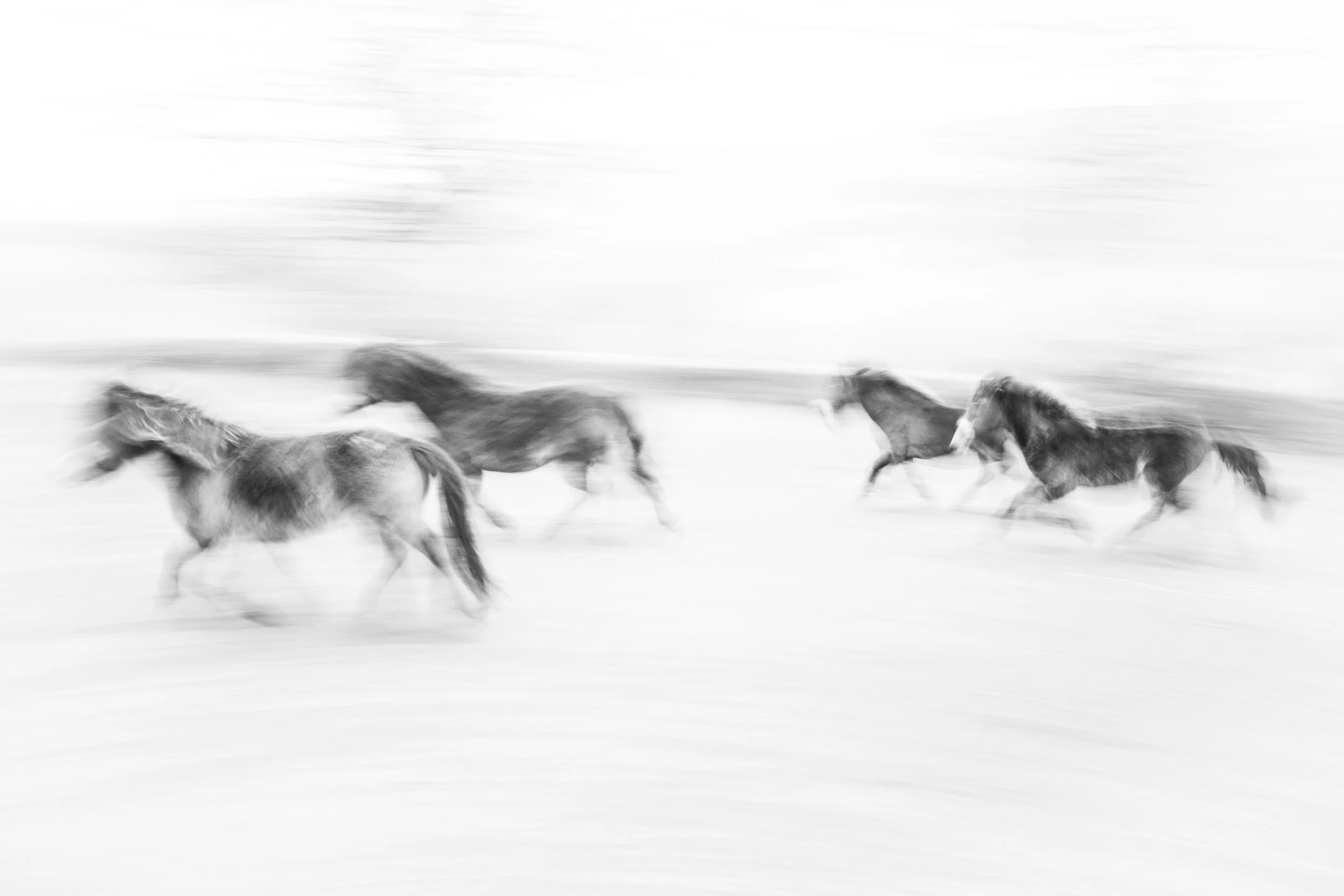
All manner of technical aspects and compositional techniques were covered over the week, from high shutter speed freeze-frame images, to framing within the frame, to slow shutter speed drag, incorporating form, texture, and movement into the photos. We also considered how to shoot with editing in mind, versus trying to get it right in camera. Utilising your camera’s ability to display images in black and white was a particular favourite, helping the eye to focus on tones rather than being distracted by colour when aiming for a black and white final edit.
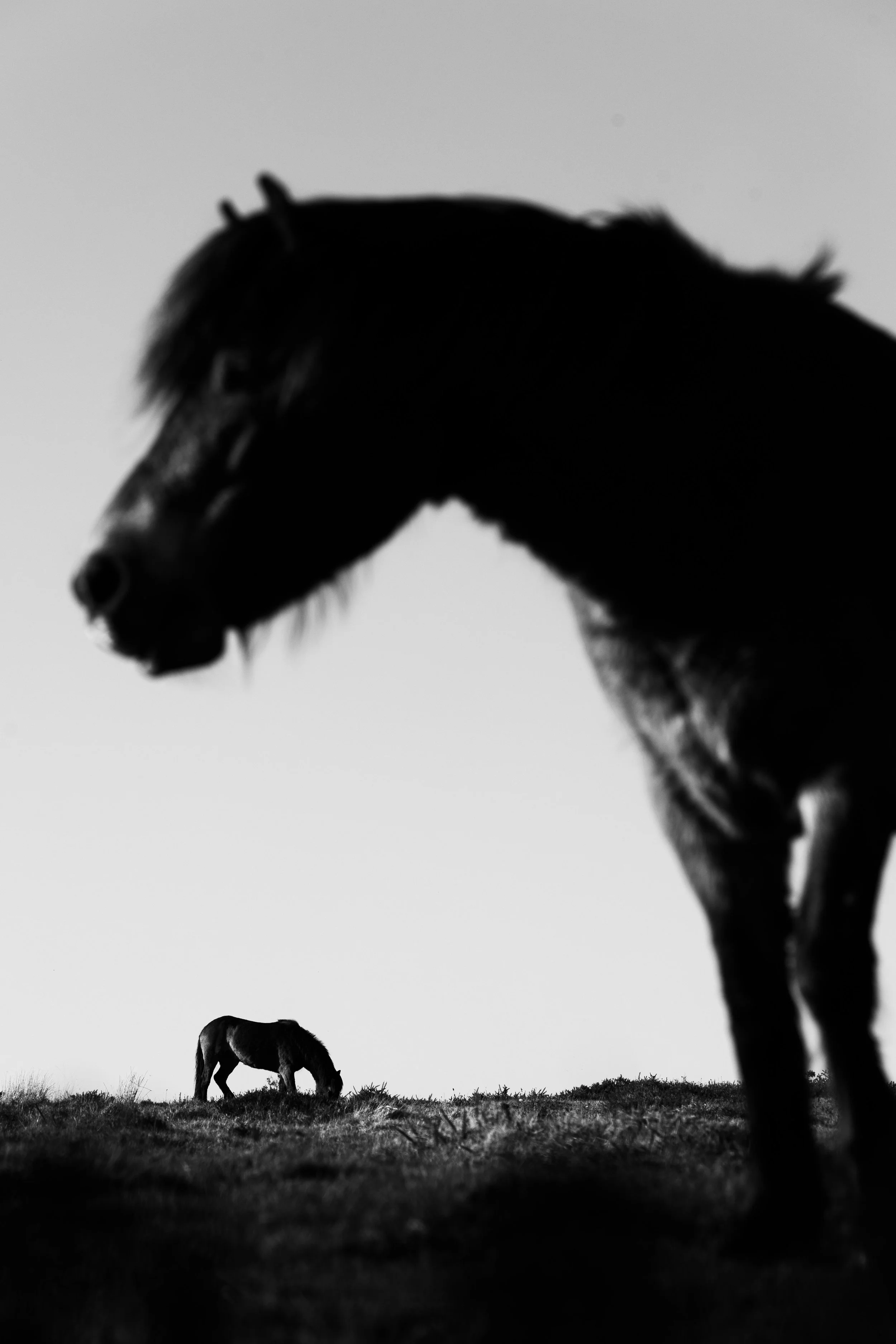
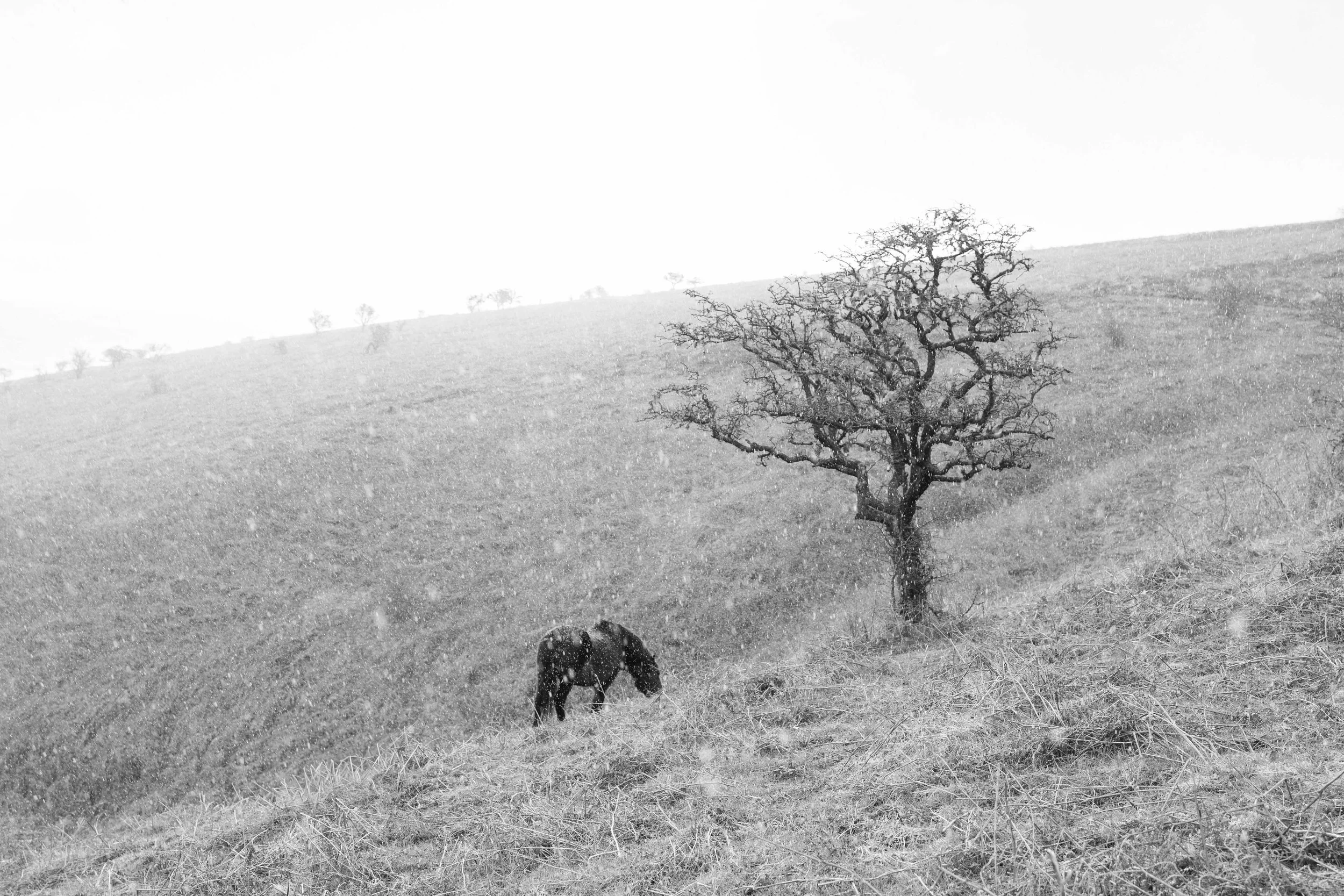
As the ponies wandered throughout the week and the workshop, they moved through a variety of landscapes and scenes, enabling us to photograph them in ever-changing compositions: gorse, grass, windswept trees, and deep coombes (or valleys). Each new environment offered unique opportunities, allowing for a constantly shifting perspective of the ponies, as well as varied lighting. That changing light was crucial for achieving some of the shots participants were aiming for, from rim lighting to side lighting and backlighting. How to expose an image to capture the intended mood was also covered.
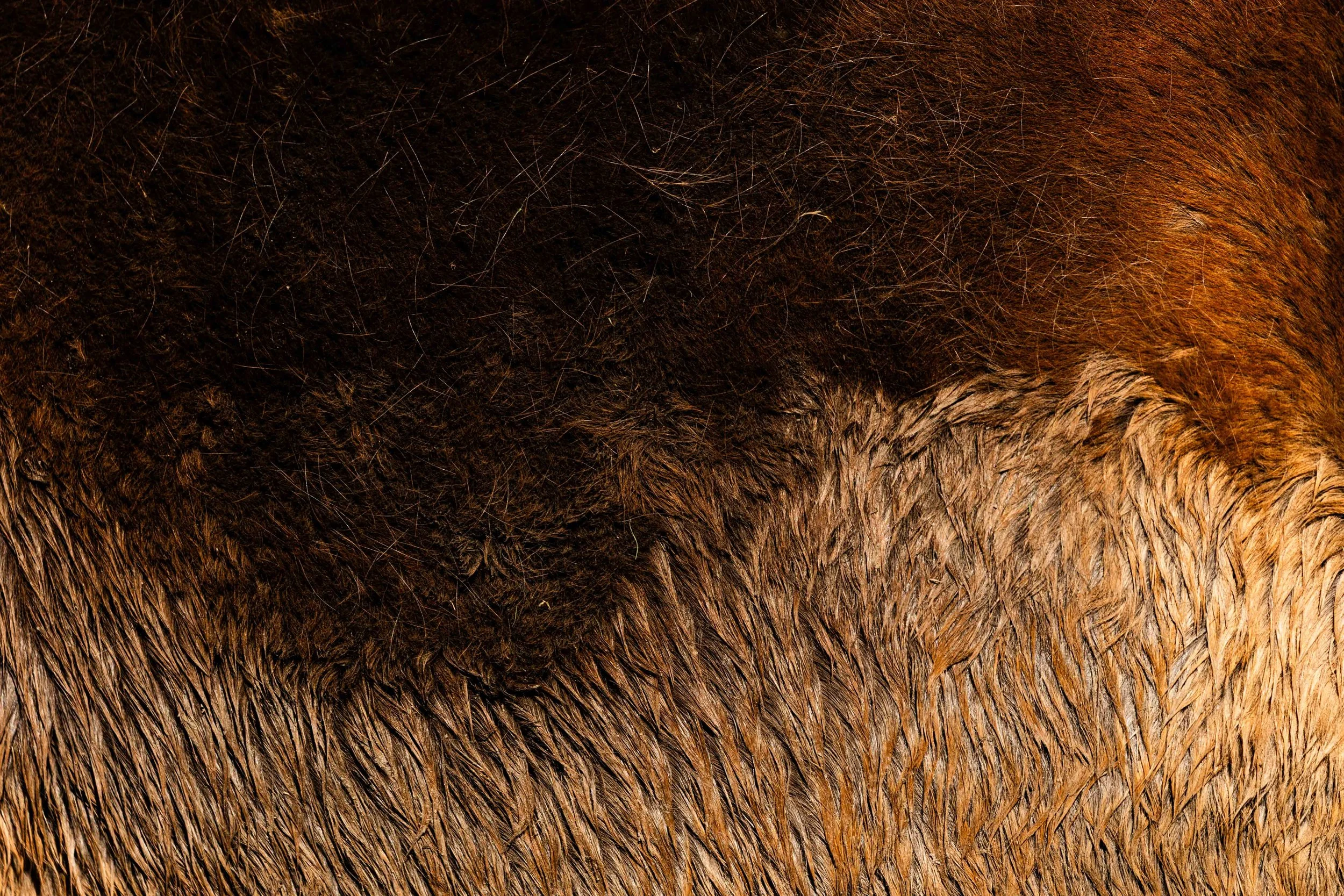
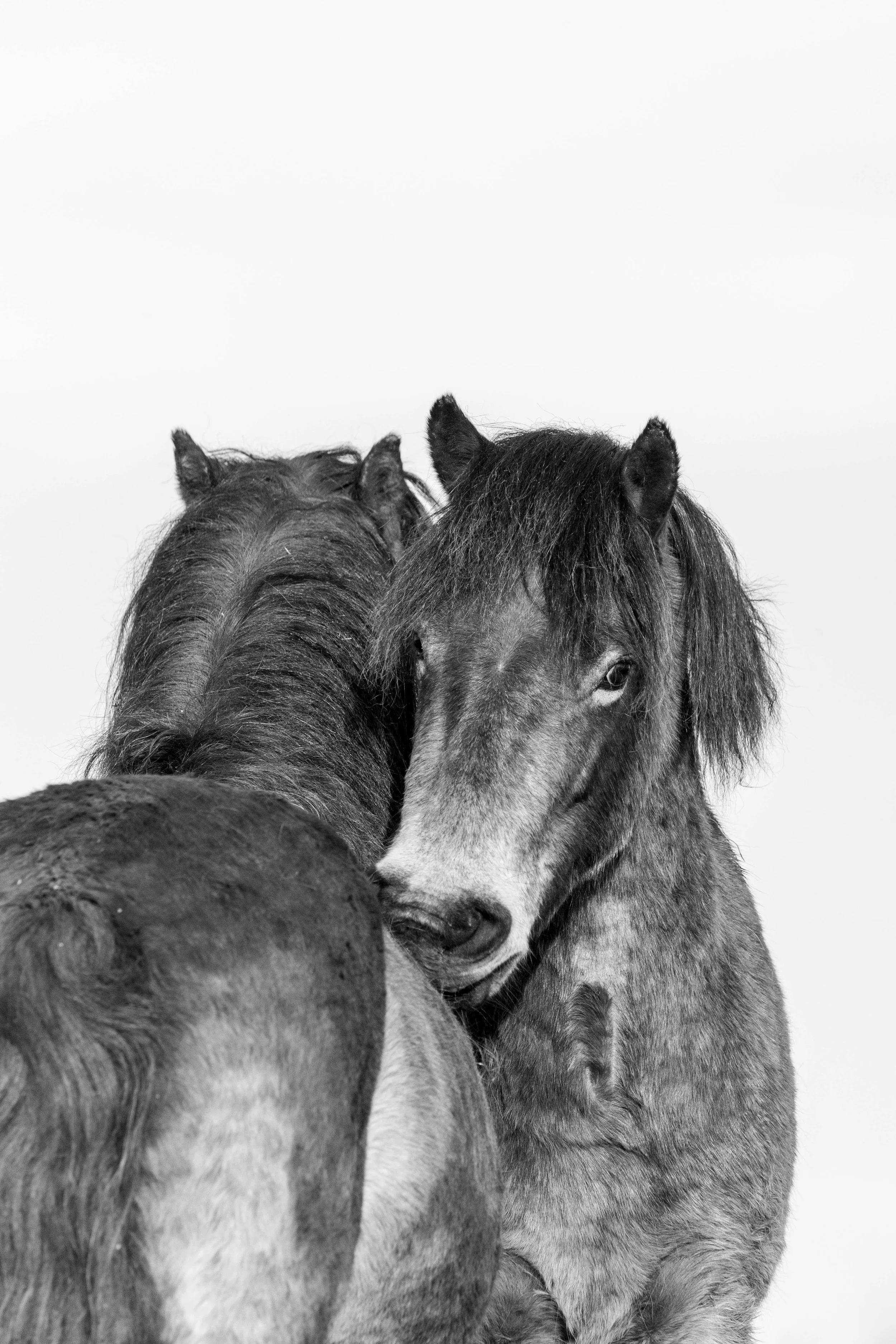
Teaching these workshops brings me a great deal of joy, as I am able to share a landscape I love, along with a subject that is so rewarding to photograph. The Exmoor pony’s unique features, from its velvet nose and toad eye to its coarse coat and incredible golden colour, set within this distinctive landscape, give photographers an opportunity like no other. The Exmoor pony is also the perfect subject to learn with, as its patience allows plenty of time to practise the techniques mentioned above. In contrast, the moments that truly make a photograph are fleeting and rarely align perfectly, which keeps things exciting.
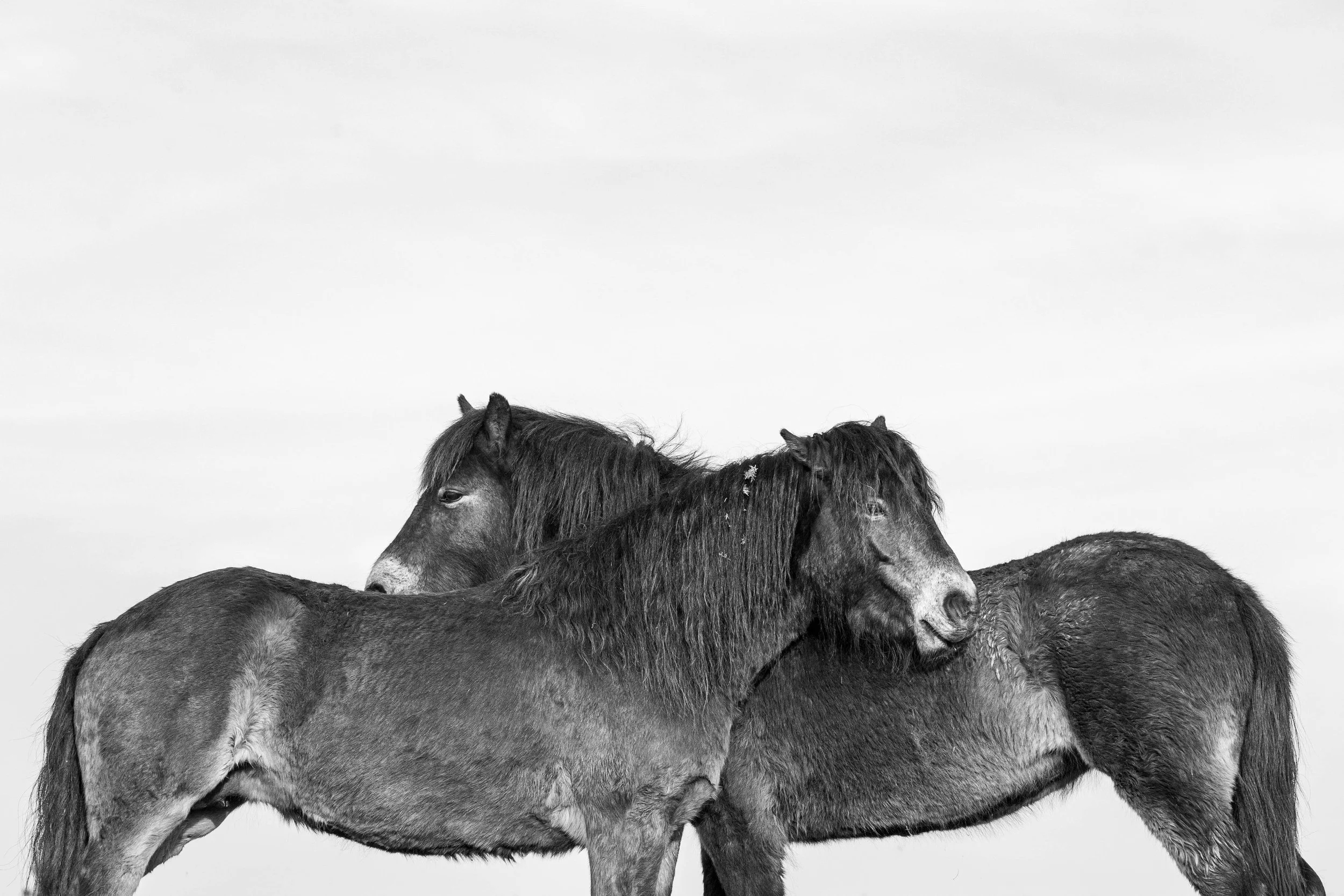
There are still many compositions I am yet to see out on the moors with the ponies, and when I do spot them, I share them with workshop participants, pointing them out so they can try to capture the shot themselves.
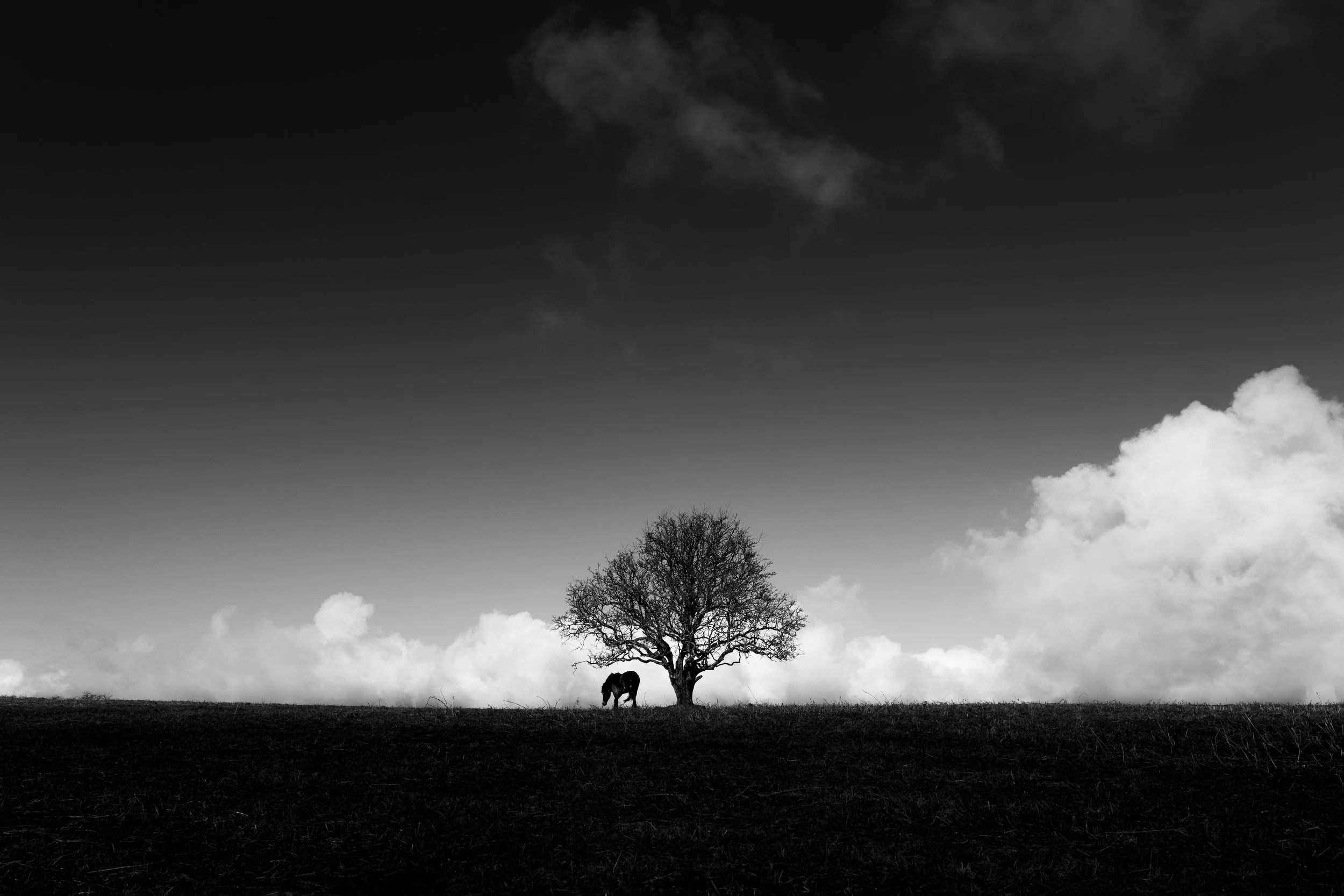
I have attached some photos taken while out with participants, showcasing some of the environments people find themselves in and the opportunities available. I took these images to demonstrate composition and exposure, helping participants better understand what I am trying to teach. I hope you enjoy them, and if you are interested in booking onto this workshop or one of my others, please do get in touch. While I am not running this workshop year-round, if you and a friend are interested in booking outside of the listed dates, please feel free to reach out, as I may be able to accommodate you.
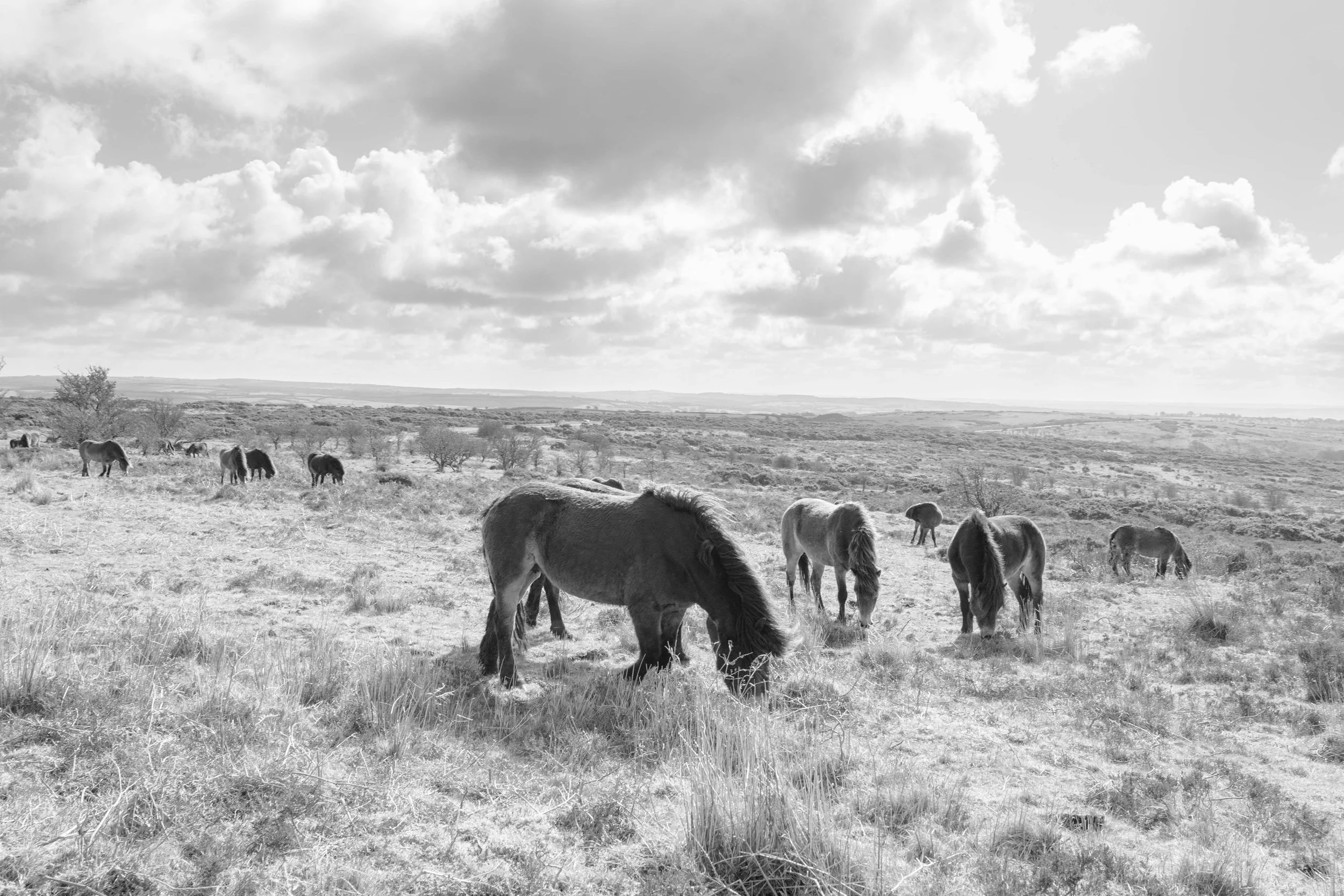
The photos attached to this copy were taken on the Canon R6 with the Sigma 150-600mm f5-6.3 Contemporary or the Leica SL (Type 601) with the Sigma 28-45mm f1.8 or the Leica 35mm F2 summicron