It has been four years since the Russian invasion of Ukraine. For four years, Ukrainians have been fighting over every square metre of their country. Yet after four years, they have pushed Russian forces back from significant swathes of territory. While Russia still occupies 19.4% of Ukrainian land, the rate of capture continues to fluctuate, particularly with recent developments such as Starlink reportedly being restricted from unauthorised receivers in Ukraine and the banning of Telegram and WhatsApp.
This demonstrates that there is hope, though hope was already present. When I visited Ukraine at the end of last year, I joined a group of Brits delivering aid to NGOs and the military alike. Every person I met had hope. They were resilient and confident in eventual victory. None spoke of capitulating or conceding to Russia’s demands.
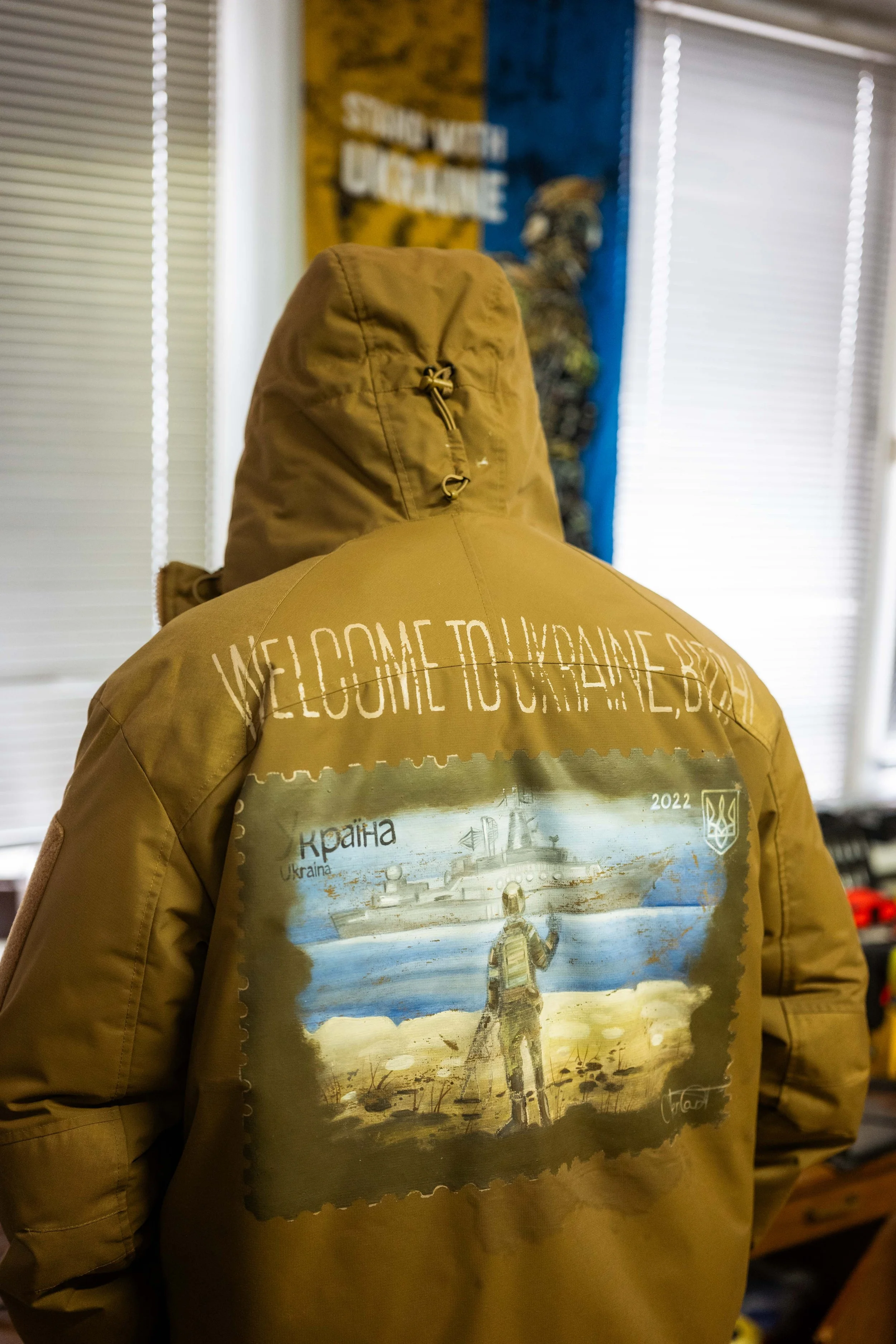
We often take our democracy for granted, but they do not. Many Ukrainians still remember what it was like to live without democracy and now face the prospect of losing it again. They have fought for their independence and for their identity.
I went because I wanted to help, but also because I wanted to witness first-hand why we must continue to support Ukraine in its fight for sovereignty and against oppression. This post is a reminder for those in my small ecosystem that this is a cause we really need to care about or it will come back to haunt us in the future.
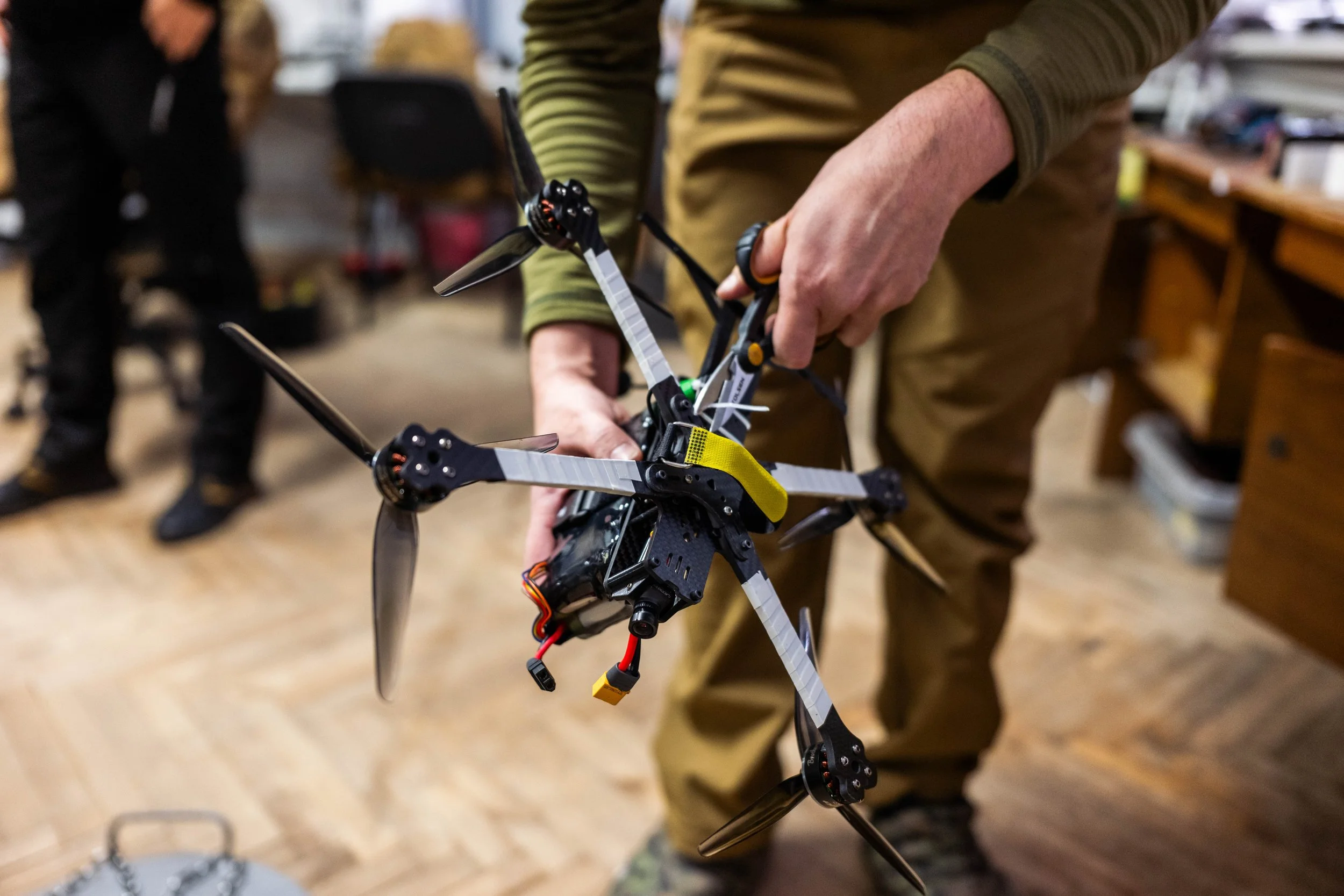
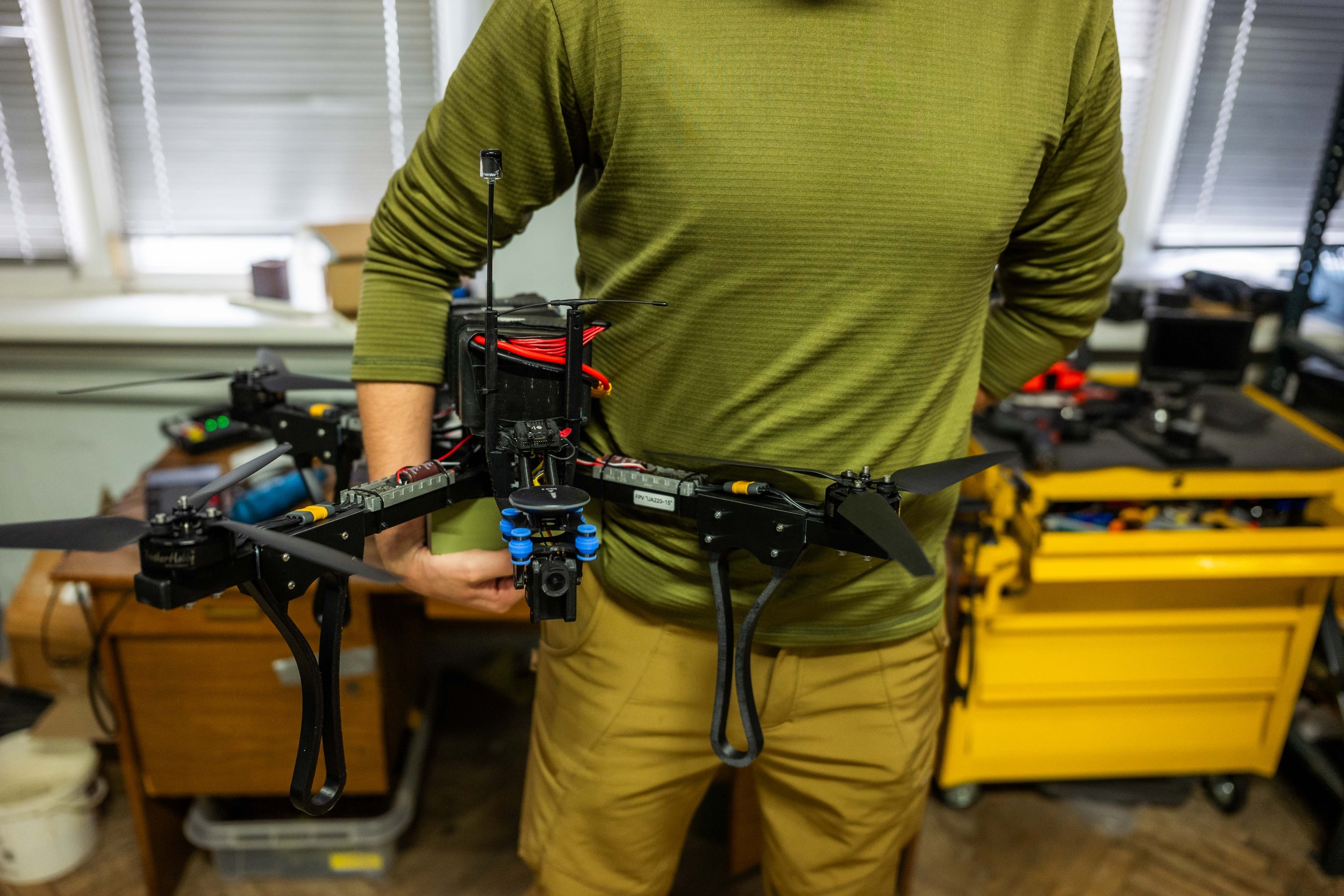
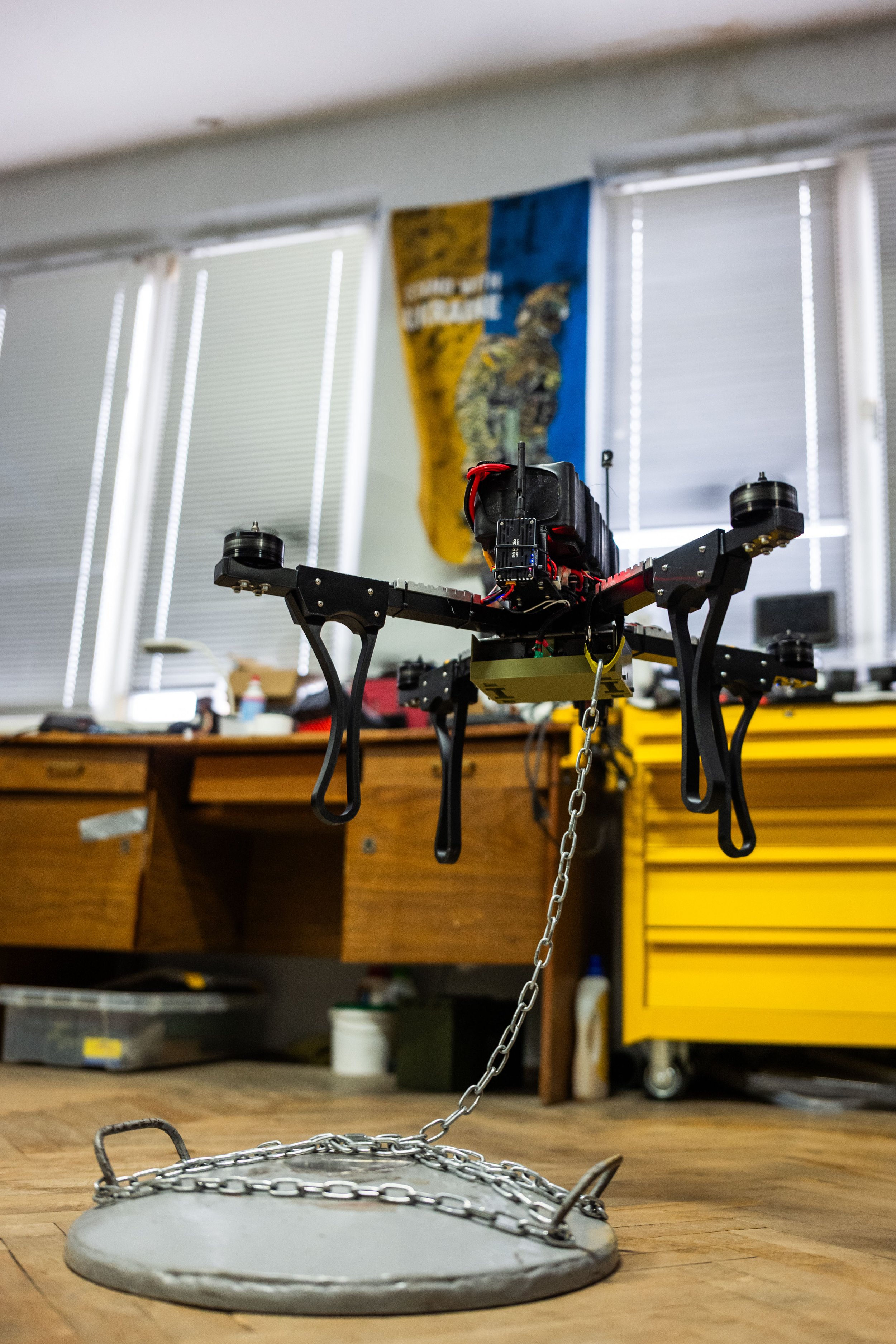
These photos are from a small independent drone factory I visited, tucked away inside an old Soviet-era apartment block. As we rattled up in a lift that felt like it had not changed since the days of the Soviet Union, we stepped into a scene that could have been lifted from a James Bond film. Concrete walls, tattered doors and ageing windows. Yet inside one of those worn apartments were volunteers building the future of this war.
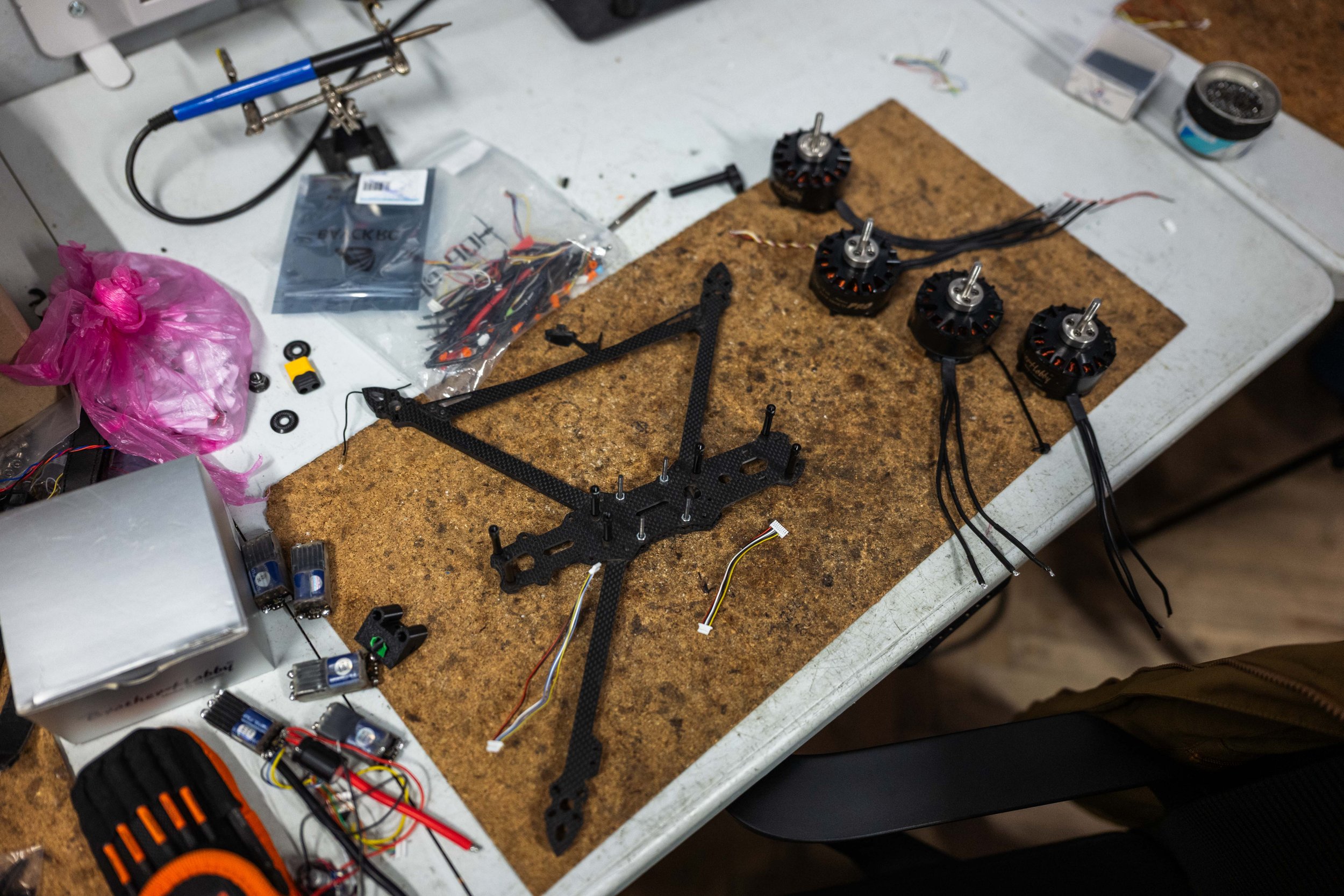
Soldering irons in hand, 3D-printed components laid out across tables, lines of code running across laptop screens. Individuals giving their time to assemble drones, programme complex operating systems and adapt designs based on feedback from frontline troops who had been flying earlier versions that very same day. That feedback was fed directly back into the workshop, adjustments made immediately, improvements implemented in the production line within hours. A real-time cycle of innovation.
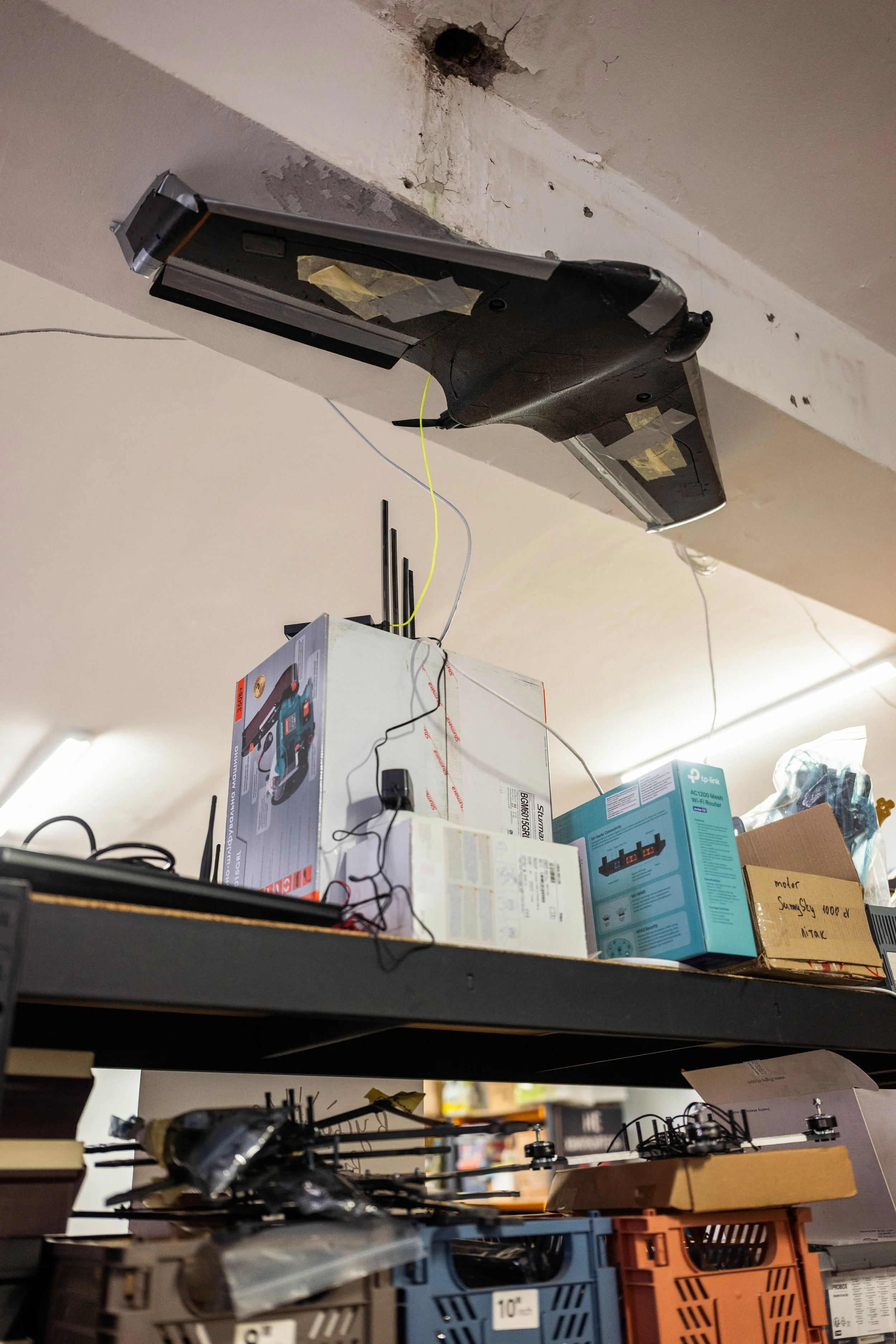
It was a process I had not seen before and a reminder of just how cutting edge this war has become. The technological advancement unfolding inside that flat stood in sharp contrast to the Soviet block that housed it. The outside reflected the industrial past many in the West still associate with the region. Inside was agility, innovation and modern engineering evolving at speed. The contrast was stark, and a reminder of why Ukraine has been able to hold the Russians at bay.